
Vegetables
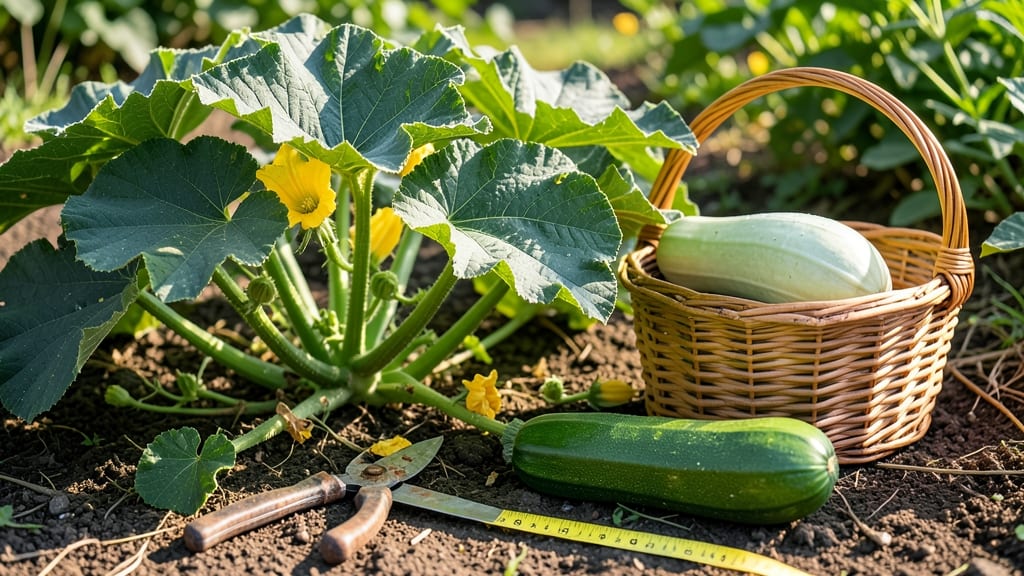
Harvest zucchini when they’re 6–8 inches long and the skin resists a gentle thumb press—this is the sweet spot for flavor and texture before bitterness sets in.
Picture this: you’ve been checking your 🎃 plants daily, and suddenly, the squash is growing faster than you can keep up. That’s the moment you need to act—wait too long, and you’ll end up with oversized, seedy zucchini that’s tough and bitter.
Timing matters because zucchini don’t ripen after picking. The key is catching them at the right stage—when they’re firm but not hard, with deep color and a stem that snaps cleanly. Miss that window, and you’ll be left wondering why your zucchini tastes more like disappointment than dinner.
In this guide, I’ll break down the 3 foolproof signs your zucchini is ready, plus seasonal tips to keep your harvest coming all summer long—no bitter surprises included.
3 Key signs your zucchini is ready for harvesting
Timing is everything when it comes to harvesting zucchini. One day too late, and you’ll end up with bitter, seedy squash that’s tough to eat. But how do you know exactly when to pick?
The answer lies in three visual and physical cues that tell you your zucchini is at peak flavor and texture. Ignoring these signs can lead to overgrowth, wasted effort, and disappointing meals. Let’s break down the must-know indicators so you can harvest at the perfect moment.
Zucchini grows quickly, often surprising gardeners with its rapid expansion. If you miss the optimal harvest window, the fruit will continue growing, developing hard seeds and a bitter taste. The key is to check for these three signs every few days once your plants start flowering.
This proactive approach ensures you’re always harvesting at the right moment, giving you the best chance for tender, flavorful squash every time you visit the garden.
-
Size Matters: 6-8 Inches Long
Zucchini should be harvested when they reach 6-8 inches in length. At this size, they’re tender, sweet, and perfect for cooking. Waiting longer risks overgrowth and a tougher texture.
-
Skin Firmness: Resists Thumbnail Pressure
Press your thumbnail into the skin. If it resists slightly but isn’t hard, it’s ready. Soft skin means it’s underripe, while a hard skin indicates overripeness—both lead to poor flavor.
-
Color Consistency: Deep and Even
Look for a deep, consistent color (green, yellow, or striped). Pale or uneven hues suggest the zucchini isn’t fully matured. A vibrant color means it’s packed with flavor.
Don’t overlook the stem test, a quick trick to confirm ripeness. Gently bend the stem near the base of the zucchini. If it snaps cleanly, it’s ready to harvest.
This method works especially well for larger varieties that might be harder to judge by size alone. The stem test is a foolproof way to avoid missing the perfect moment.
Harvesting at the right time also encourages your zucchini plant to produce more fruit. When you pick the ripe squash, the plant redirects its energy to growing new flowers and zucchini.
This cycle keeps your garden productive throughout the peak harvest months of July through September. Regular harvesting is a win-win: better flavor for you and more yield for your garden.
One common mistake is waiting until the zucchini looks "big enough" without checking the other signs. A zucchini that’s 10 inches long but hard-skinned will taste bitter and fibrous, no matter how large it is.
Always prioritize the three key indicators—size, skin firmness, and color—over sheer size alone. This approach guarantees the best-tasting squash every time.
If you’re growing multiple varieties, like yellow zucchini or striped varieties, the same rules apply. The color differences don’t change the ripeness criteria—focus on the 6-8 inch length, firm skin, and deep hue.
For example, a yellow zucchini with a pale tint isn’t ready, just like a green one with soft spots. Stick to the basics, and you’ll never go wrong.
Pro tip: Use a sharp knife or pruning shears to harvest zucchini. Cut the stem about an inch above the fruit to avoid damaging the plant. This clean cut reduces the risk of disease and encourages faster regrowth.
Always harvest in the morning when the fruit is cool and firm, which is the best time to check for ripeness.
Finally, keep an eye on your zucchini plant’s overall health. If the leaves start yellowing or the plant looks stressed, it might be struggling to produce quality fruit. In this case, harvest any ripe zucchini immediately and focus on revitalizing the plant with proper watering and fertilization.
A healthy plant yields healthier, tastier zucchini—so pay attention to both the fruit and the foliage.
Mastering these three signs will transform your zucchini harvest from hit-or-miss to consistently delicious. Soon, you’ll be the envy of your gardening neighbors, thanks to perfectly timed picks that taste fresh from the vine. Happy harvesting! 🎃
How zucchini size affects flavor and storage life
You might think bigger zucchini equals better harvests, but size plays a critical role in both flavor and storage potential. When zucchini grow beyond 6-8 inches, their texture becomes tougher, seeds develop, and bitterness creeps in.
The sweetest, most tender zucchini are actually those harvested at 4-6 inches, where their natural sugars peak before converting to starch. This smaller window isn't just about taste—it's about preserving quality for longer storage too.
Let me explain why timing matters so much. Zucchini are non-climacteric fruits, meaning they don't ripen after picking. Once they reach their ideal size, they begin degrading—seeds harden, cell walls thicken, and flavor compounds break down.
The 4-6 inch range gives you that perfect balance of tenderness and sweetness before these changes take over. Think of it like catching a fish at its peak freshness—wait too long, and you're left with something completely different.
| Size Range | Flavor Profile | Texture | Seed Development | Storage Life |
|---|---|---|---|---|
| 4-6 inches | Sweet, mild, delicate | Tender, thin skin | Minimal seeds | 1-2 weeks refrigerated |
| 6-8 inches | Balanced, slightly nutty | Firm but tender | Small seeds | 1 week refrigerated |
| 8+ inches | Bitter, fibrous | Tough, woody | Large, hard seeds | 3-5 days only |
The 4-6 inch zucchini are my personal favorites for storage too. Their thinner skin and higher moisture content mean they stay fresher longer when refrigerated. I've found that storing them in the crisper drawer with a paper towel to absorb excess moisture extends their life by nearly 50%.
For longer-term storage, try freezing them whole or sliced—their small size makes them perfect for individual portion control in the freezer.
Here's a pro tip: if you're growing bush varieties like 'Eight Ball' or 'Patio Star', they naturally stay smaller and sweeter. These compact types are bred to produce 4-6 inch zucchini consistently, making them ideal for flavor and storage.
Vining varieties like 'Black Beauty' can grow much larger, so you'll need to monitor them more closely to avoid the bitter phase. The key is consistent checking—once every 2-3 days during peak production.
One common mistake I see is assuming all zucchini follow the same size rules. Yellow varieties like 'Golden Zucchini' have the same ideal harvest window, but their color change can be subtle.
Always check the skin firmness and stem snap test regardless of color. The size guidelines are just a starting point—your zucchini's readiness depends more on these physical cues than just length measurements.
For maximum storage life, harvest in the early morning when temperatures are coolest. This gives you the firmest fruit to work with. After harvesting, let them sit at room temperature for a few hours to cure slightly—this toughens the skin just enough to prevent bruising during storage.
Then refrigerate them in a single layer (not stacked) to maintain air circulation. Properly stored 4-6 inch zucchini will stay crisp for up to 2 weeks, while larger ones rarely last beyond 5 days.
Remember, the smaller the zucchini at harvest, the longer it will maintain its quality. This isn't just about immediate eating—it's about getting the most out of your garden's bounty.
When you harvest at the right size, you're not just getting better flavor; you're extending your harvest window by encouraging the plant to produce more fruit. It's a beautiful cycle that keeps your kitchen stocked with fresh, delicious zucchini all season long. 🌱