
Vegetables
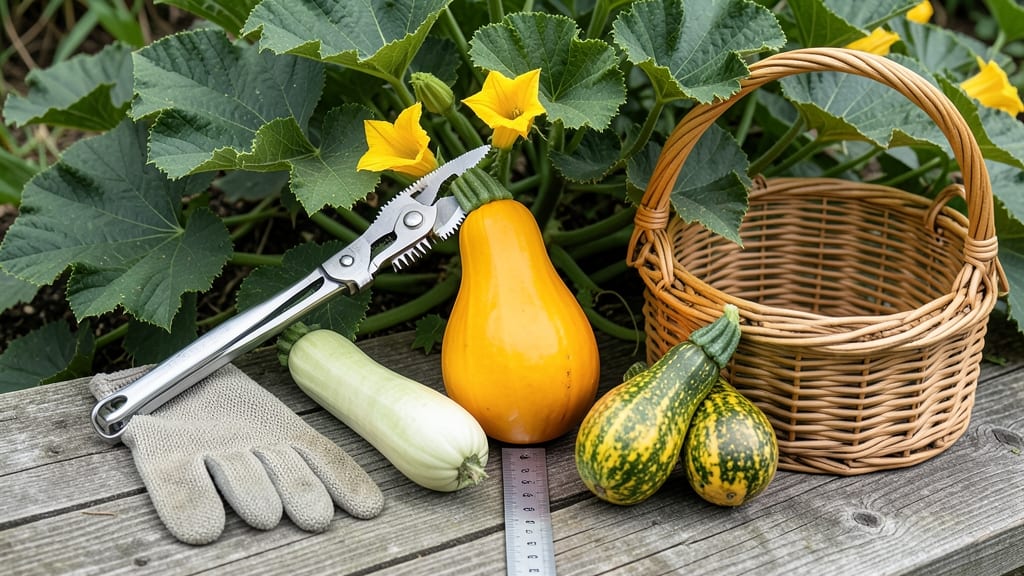
Harvesting yellow zucchini 🍆 at the right moment means the difference between crisp, tender squash and tough, seedy disappointment.
Picture this: you’ve nurtured your plants all season, and now the question is when to harvest yellow zucchini before they turn into oversized, woody monsters. The answer lies in three simple tactile tests that take just seconds—no guesswork required.
Most gardeners wait too long, letting the zucchini grow past their prime. But with the right cues—like checking skin firmness, stem snap, and seed cavity—you’ll pull them at peak ripeness, locking in that sweet, mild flavor.
In this guide, I’ll walk you through the exact timing, from 40 to 60 days after planting, plus pro tips to extend your harvest well into September. Ready to master the art of picking?
3 Tactile tests to harvest yellow zucchini at peak ripeness
Yellow zucchini is at its best when harvested at the perfect moment—not too early (when it's still tough) and not too late (when it becomes seedy and bitter). The key lies in using your hands and eyes to test for tenderness, size, and maturity.
These three simple tactile tests will help you determine the exact moment your zucchini is ready for picking, ensuring the best flavor and texture every time.
Many gardeners rely solely on size or color, but physical tests like thumb pressure and stem flexibility reveal the true readiness of your zucchini. Skipping these checks often leads to overgrown squash that’s woody or underdeveloped fruit with poor flavor.
By mastering these methods, you’ll transform your harvest from hit-or-miss to consistently perfect.
- 1 Thumb Pressure Test: Press your thumbnail into the zucchini’s skin. If it yields slightly but doesn’t dent deeply, it’s ready. A soft spot means it’s too early, while a hard surface signals overripeness.
- 2 Stem Snap Test: Gently twist or bend the stem near the fruit. If it snaps cleanly, the zucchini is at peak ripeness. A stem that bends without breaking means it’s not ready, while a dry, woody stem indicates it’s past its prime.
- 3 Seed Cavity Check: Cut the zucchini lengthwise to inspect the seed cavity. At the perfect harvest time, the seeds should be small and pale, not large and dark. A well-developed cavity with tiny seeds ensures the best flavor and texture.
Start by checking the thumb pressure test first, as it’s the quickest way to assess maturity without damaging the fruit. If the skin feels firm but gives slightly under pressure, your zucchini is likely ready.
This test works best on 6-8 inch zucchini, which is the ideal size range for most yellow varieties like Gold Rush or Yellow Crookneck.
Next, move to the stem snap test to confirm readiness. Hold the stem between your fingers and bend it gently—if it snaps with a clean break, you’ve found the perfect moment to harvest.
This test is especially useful for larger zucchini varieties, as they can become fibrous quickly if left on the vine too long. Avoid pulling the fruit; always use a sharp knife or pruners to cut the stem cleanly.
The seed cavity check is the most definitive test but requires cutting into the zucchini. For gardeners who prefer non-destructive methods, focus on the first two tests and harvest every 2-3 days during peak production.
If you notice the seeds turning dark or the cavity expanding, it’s time to pick—even if the zucchini isn’t at your preferred size.
Harvesting at the right time doesn’t just improve flavor; it also encourages more production. When you pick zucchini at peak ripeness, the plant redirects its energy to produce new flowers and fruit, rather than letting the existing zucchini overgrow.
This means a longer harvest season and fewer bitter, seedy squash later in the year.
For yellow zucchini varieties, pay extra attention to color consistency. While green zucchini can sometimes be harvested when slightly larger, yellow varieties often develop a softer texture if left too long.
Combine the tactile tests with visual cues—look for a deep, even yellow color and a smooth, glossy skin. These signs, paired with the physical tests, will give you the most accurate harvest timing.
If you’re growing zucchini in containers or small spaces, these tactile tests become even more critical. Limited room means less time to correct mistakes, so frequent checks (every 2-3 days) will help you avoid overcrowded plants and underdeveloped fruit.
Use a small handheld knife for container harvesting to make the process cleaner and less damaging to the plant.
Once you’ve mastered these tests, you’ll notice a dramatic improvement in the quality of your harvest. No more tough, seedy zucchini or wasted effort—just crisp, tender squash ready for grilling, roasting, or spiralizing.
Share your newfound skills with fellow gardeners, and soon your garden will be the go-to spot for the best yellow zucchini in the neighborhood!
Yellow zucchini harvest timeline: days to maturity by variety
Knowing the exact days to maturity for your yellow zucchini variety ensures you harvest at the perfect moment. Different cultivars mature at slightly different rates, so let's break down the timeline for popular varieties like Gold Rush, Yellow Crookneck, and Sunburst.
Each has unique visual cues that signal peak ripeness.
The average harvest window spans from 40 to 60 days after transplanting, but timing varies by variety. For example, Gold Rush typically matures in 45-50 days, while Yellow Crookneck might take 50-55 days. Understanding these differences helps you plan for a continuous harvest throughout the summer.
For all varieties, the skin firmness is your best indicator. Press your thumbnail into the squash—if it leaves a slight dent but doesn’t puncture, it’s ready. Overripe zucchini develop tough, fibrous skin that’s nearly impossible to cut, so don’t wait too long!
Pay attention to the stem snap test too. Gently twist the stem near the base—it should snap cleanly. If it resists or tears, the zucchini needs more time.
This test works for all yellow varieties and is especially useful when checking Yellow Crookneck, whose curved shape can make size harder to judge.
Harvesting at the right time also depends on seasonal conditions. In hotter climates, zucchini may mature faster (around 40 days), while cooler regions might see delays up to 60 days. Always adjust your expectations based on your local growing season and weather patterns.
Once you’ve mastered these cues, you’ll enjoy a steady supply of tender, flavorful yellow zucchini all summer long—no more giant, unruly squash taking over your garden! 🌱