
How To
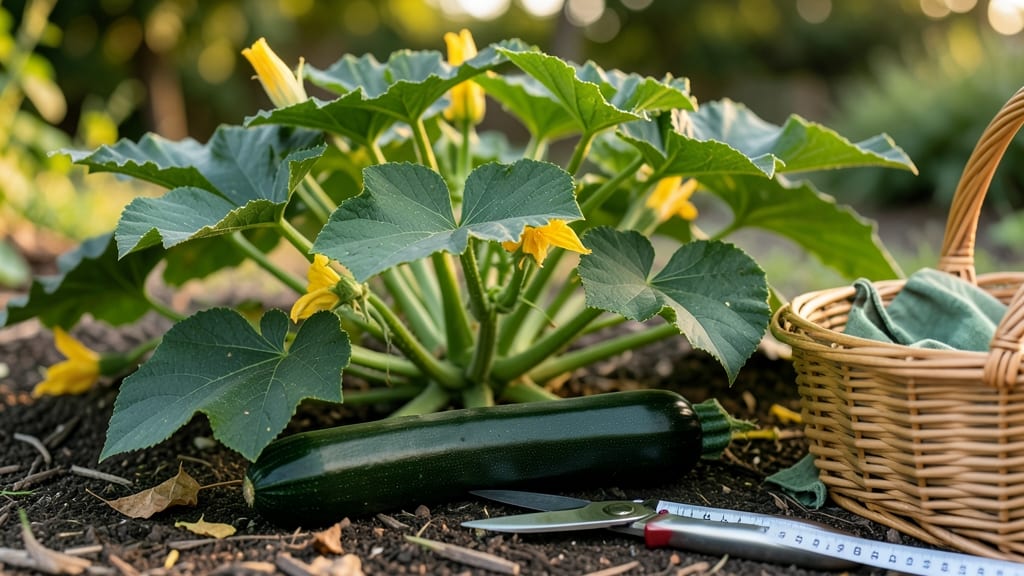
Knowing when to harvest zucchini 🍆 means catching them at the perfect moment—before they turn tough, seedy, and bitter.
Picking zucchini at the wrong time can mean the difference between a tender, delicious meal and a tough, seedy disappointment. Many gardeners miss the window because they don’t know what to look for.
Here’s the secret: size, color, and a simple thumb test. A zucchini ready to pick is usually 6-8 inches long, with a deep green skin that gives slightly when pressed. If you wait too long, the stem end turns yellow, and the fruit becomes hard and fibrous.
In this guide, I’ll walk you through the exact visual and tactile cues to harvest at peak flavor, plus how to avoid overgrowth and wasted produce. By the end, you’ll never miss the sweet spot again!
The ultimate zucchini harvest guide: thumb test, size rules, and color clues
Harvesting zucchini at the right moment transforms your garden into a flavor factory. The key lies in combining three foolproof methods: the thumb test, size measurement, and color observation.
I’ve learned that ignoring these cues often leads to either underripe zucchini (too tough) or overripe ones (seedy and watery). Let’s break down how to nail that perfect harvest window every time.
Most gardeners focus only on size, but the real magic happens when you combine all three indicators. A 6-inch zucchini that fails the thumb test is still too early, while an 8-inch one with a yellow blossom end might be past its prime.
Mastering these clues ensures you’ll always enjoy that tender, sweet flavor we all crave.
Comparison Table: How to Know When to Harvest Zucchini
| Method | Ready Stage | Not Ready Signs | Pro Tip |
|---|---|---|---|
| Thumb Test | Skin yields slightly to thumbnail pressure | Firm (no give) or too soft | Press near stem end—gentle resistance = perfect |
| Size Rule | 4-8 inches (ideal: 6-7 inches) | Under 4 inches (too small) or over 8 inches (seedy) | Measure from blossom end to tip—consistency matters |
| Color Clues | Deep matte green with slight yellowing at stem | Bright green (unripe) or dull yellow (overripe) | Check blossom end—yellowing means harvest soon! |
| Stem Test | Stem snaps cleanly when bent | Stem bends but doesn’t snap (still growing) | Grasp near base—clean break = ready to pick |
The thumb test is my go-to method because it’s instant feedback. When I press my thumbnail near the zucchini’s stem end and feel gentle resistance (not rock-hard, not mushy), I know it’s time.
This works especially well for bush varieties where zucchini can hide behind leaves. Pro tip: Do this test in the morning when zucchini is firmer.
Size matters, but don’t get too rigid. While 6-7 inches is ideal for most recipes, some heirloom varieties like 'Black Beauty' can reach 8 inches while staying tender. The key is consistency—if your zucchini typically matures at 5 inches, harvest at that size.
Remember, zucchini grows fastest in summer heat, so check plants every 2-3 days during peak season.
Color is often overlooked, but the blossom end tells all. Look for a deep matte green skin with slight yellowing near the stem. This indicates the zucchini has reached peak sweetness.
A fully yellow blossom end means you’ve waited too long—those zucchini turn woody and seedy fast. I’ve learned to harvest before the yellowing spreads fully for the best texture.
Timing your harvests prevents your plants from getting overwhelmed. Zucchini produce continuously, so aim to harvest 2-3 times per week during peak season. This encourages more flowers and fruit. I once let my plants go for a week, and suddenly I had foot-long monsters!
The moral? Stay on top of it, or you’ll end up with zucchini the size of baseball bats.
For baby zucchini (under 4 inches), harvest when they’re 3-4 inches long for ultra-tender results. These are perfect for grilling or spiralizing. The skin will be thinner and sweeter than larger varieties.
If you’re growing 'Eight Ball' or similar compact types, check them daily—they mature faster than standard varieties.
One common mistake I see is harvesting based on calendar dates rather than plant cues. Zucchini don’t follow a schedule—they respond to temperature, water, and sunlight. In hot climates, they mature faster; in cooler areas, they take longer.
Always trust the plant’s signals over guesswork. Your thumb, ruler, and eyes are your best tools!
Finally, store harvested zucchini properly to maintain quality. Keep them in a cool, dark place (like a pantry) for up to 5 days. For longer storage, wrap them in a damp paper towel and refrigerate.
Overripe zucchini? Don’t toss them—bake into bread or freeze for soups. Every zucchini has potential!
Master these techniques, and you’ll never again wonder, "Is this zucchini ready?" The secret is in the details—combining size, color, and texture cues gives you that perfect harvest every single time. Happy harvesting! 🌱
5 Common mistakes that ruin zucchini harvest timing (and how to avoid them)
Even experienced gardeners can fall into the trap of harvesting zucchini at the wrong time, leading to wasted produce or subpar flavor. Timing matters—zucchini harvested too early are tough and seedy, while those left too long become oversized and woody.
The key lies in recognizing subtle cues that signal peak ripeness before these mistakes derail your harvest.
One of the biggest errors is assuming size alone determines readiness. Many gardeners wait until zucchini reach 10+ inches, only to find them tough and stringy. The ideal window is actually much narrower—4-8 inches—where texture and flavor are at their best.
Ignoring this range means missing the sweet spot for tender, delicious zucchini.
⚠️ callout-warning
How to Know When Zucchini Are Ready
Don’t rely on guesswork! Use these 3 foolproof tests:
- Thumb Test: Press gently—skin should yield slightly but not dent.
- Color Check: Deep, even green with a yellowing stem end.
- Size Rule: 6-8 inches is prime; harvest before seeds bulge.
Pro Tip: Harvest in the morning when skin is firmest.
Another frequent mistake is harvesting inconsistently, which stresses plants and reduces yield. Zucchini produce continuously, so check plants every 2-3 days during peak season. Skipping this routine leads to overcrowded vines, where flowers stop forming, and energy shifts to fewer, larger fruits that quickly become unpalatable.
Overlooking the stem color is a silent harvest killer. A bright green stem end means the zucchini is still maturing, while a yellowing or brownish stem signals it’s past its prime.
This visual cue is often ignored, but it’s one of the most reliable indicators of ripeness. Paying attention to this small detail can save you from tough, seedy zucchini.
Many gardeners also wait until the last possible moment, hoping for bigger harvests. But zucchini left on the vine too long develop hard seeds and fibrous flesh, making them nearly inedible.
The prime window is short—once zucchini exceed 8 inches, their quality declines rapidly. Regular harvesting actually encourages more production by signaling the plant to keep flowering.
Finally, harvesting with dull tools can damage plants and invite disease. Use a sharp knife or pruners to cut zucchini 1 inch above the vine, leaving a small stem attached.
Dull tools crush stems, creating entry points for pests and pathogens. This small habit makes a big difference in plant health and future yields.
By avoiding these common mistakes—ignoring size rules, skipping regular checks, missing stem cues, waiting too long, and using dull tools—you’ll extend your zucchini’s prime window and enjoy a bountiful, flavorful harvest all season long. 🌱