
How To
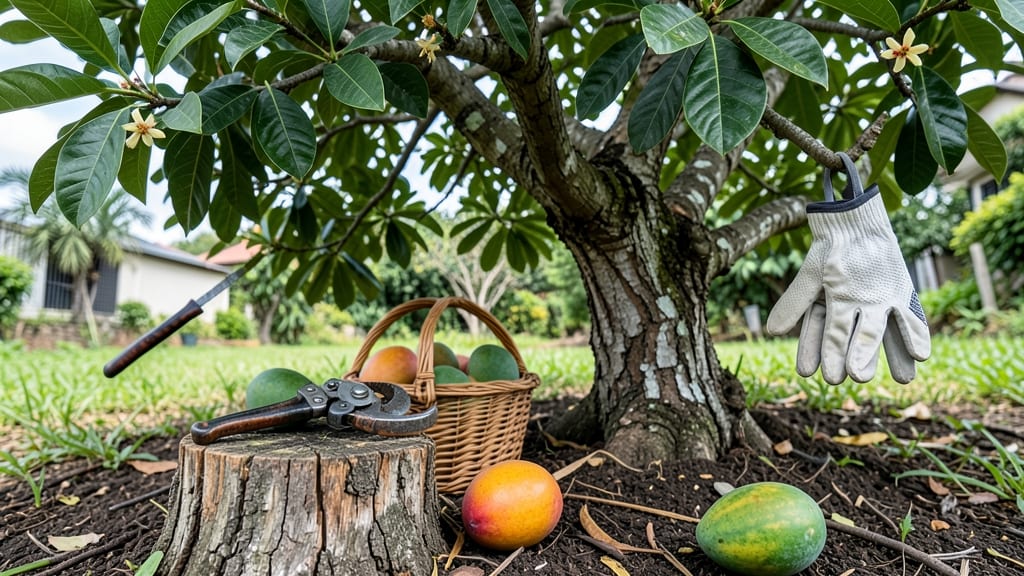
Harvesting mangoes at the right time ensures the sweetest, most flavorful fruit 🥭 — and missing it means waiting weeks for a less-than-perfect taste.
Picking mangoes at the wrong time means sacrificing sweetness and texture—here’s how to tell when your fruit is perfectly ripe for harvesting, no guesswork required.
Most gardeners wait for the color to change, but that’s only part of the story. The real clues are in the scent, the give when you press, and even how the stem responds when you twist.
Below, I’ll walk you through three foolproof tests to nail the harvest window, plus how to handle mangoes once they’re off the tree so they stay juicy and delicious for weeks.


3 Scientific ripeness tests to harvest mangoes at peak sweetness
Harvesting mangoes at the perfect moment transforms your fruit from mealy disappointment to juicy, sweet perfection. Unlike many fruits, mangoes don’t ripen well after picking, so timing is everything.
Tropical varieties like Haden or Kent ripen differently than subtropical types such as Tommy Atkins, making these three scientific tests your best tool for precision harvesting.
First, understand that mangoes release ethylene gas as they ripen, which speeds up the process. This means once you pick them, they won’t soften further—so you must rely on visual, tactile, and olfactory cues to determine readiness.
Missing these signs can lead to fruit that’s either too firm (underripe) or overripe (mushy and seedy). Let’s break down the three key ripeness indicators to ensure you harvest at peak flavor.
The color test is your first clue—tropical varieties like Haden mangoes develop a deep red or orange hue, while subtropical types such as Tommy Atkins shift from green to yellow.
Look for uniform color without green patches, as these indicate underripe fruit. Pro tip: Hold the mango up to a white background to spot subtle color changes you might miss otherwise.
Next, trust your nose with the scent test. A ripe mango emits a sweet, floral aroma near the stem. If it smells sour or alcoholic, it’s overripe. For subtropical varieties, the scent is often milder, so sniff closely at the base.
If you detect no fragrance at all, the fruit isn’t ready—wait 3-5 days before retesting. This step is non-negotiable for avoiding bland or fermented-tasting mangoes.
The touch test reveals the fruit’s internal ripeness. Press the mango gently near the stem—it should yield slightly (like a ripe peach) but not feel mushy. If it’s rock-hard, it needs more time; if it’s too soft, harvest immediately to prevent spoilage.
For large varieties like Keitt, press near the middle to avoid bruising. Remember: Mangoes never soften after picking, so this test is your last chance to judge ripeness.
For tropical climates, mangoes often ripen on the tree year-round, but in subtropical zones, harvest timing shifts with seasons. In USDA Zones 10-11, mangoes ripen from late spring to fall, while in Zones 9-10, expect a shorter harvest window (summer to early autumn).
Pay attention to your local microclimate—cooler areas may require earlier harvesting to avoid frost damage.
If you’re unsure whether to harvest, use the stem test as a tiebreaker. Gently twist the mango at the stem—if it detaches cleanly, it’s ready. If the stem resists or tears, the fruit needs <
How to harvest mangoes without damaging the tree or fruit
Once you’ve confirmed your mangoes are ripe using the color, scent, and touch tests, the next challenge is harvesting them safely. Mango trees have delicate branches, and rough handling can bruise the fruit or damage the tree.
The key is using the right techniques for your fruit’s location and size.
Small or high-up mangoes often require a harvesting pole or pruning saw, while larger, low-hanging fruit can be picked by hand. Always work carefully to avoid tearing the stem—this can lead to premature spoilage. I’ll walk you through the exact steps to ensure a clean, damage-free harvest every time.
Step-by-Step Mango Harvesting Guide
-
Step 1: Gather Tools
Use a harvesting pole for high branches, pruning shears for thick stems, and a bucket or cloth to catch falling fruit.
-
Step 2: Locate the Stem
Identify the fruit stem where the mango attaches to the branch. This is the weakest point and where you’ll twist or cut.
-
Step 3: Twist Gently for Small Fruit
Grasp the mango firmly and twist sideways with a quick motion. The stem should snap cleanly—if it resists, the fruit isn’t ready.
-
Step 4: Cut for Large or Stubborn Fruit
Use pruning shears to cut 1-2 inches above the fruit on the stem. Avoid cutting into the branch itself to prevent disease.
-
Step 5: Handle with Care
Place harvested mangoes in a soft container to prevent bruising. Never drop them—even small impacts can ruin the flavor.
After harvesting, let your mangoes rest for 24-48 hours at room temperature before storing. This allows any residual ethylene gas to dissipate, which helps prevent over-ripening. If you’re dealing with a large harvest, group them in single layers in a well-ventilated box to avoid crushing.
One common mistake I see is harvesting mangoes too early just because they’re hanging low. Never pick green mangoes—they won’t ripen properly off the tree. Instead, wait for the color shift and slight give we discussed earlier. Patience here pays off with sweeter, juicier fruit.
For tropical varieties like Keitt or Haden, which ripen later in the season, harvest in late summer to early fall when daytime temps hover around 75-85°F. In warmer climates, you might get two harvests per year, so keep an eye on your tree’s production cycle.
Pro tip: If a few mangoes slip your timing and ripen on the tree, they’ll attract pests like fruit flies. Remove overripe fruit immediately to protect your harvest—and your neighbors’ fruit trees! 🪴