
How To
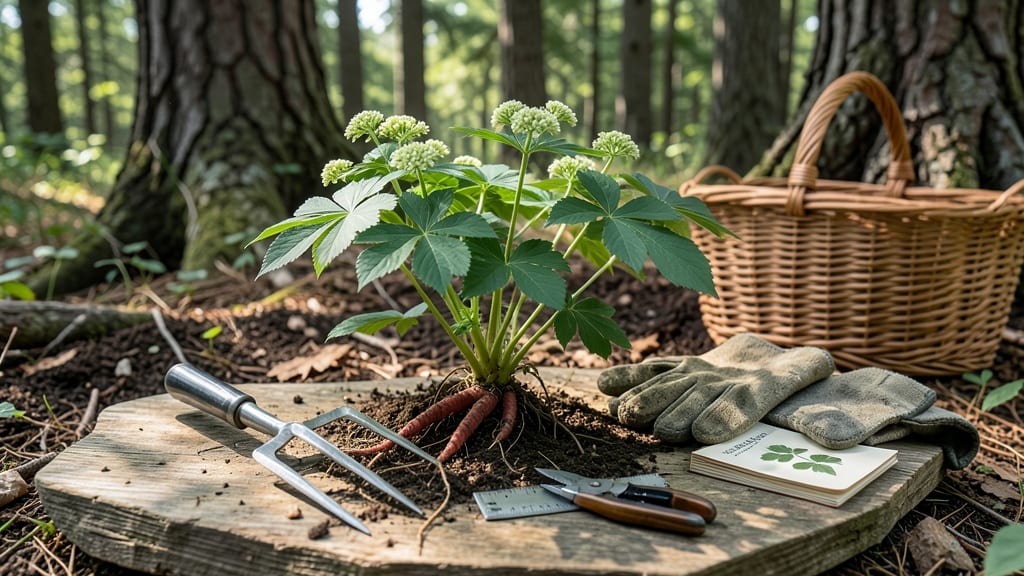
Harvesting ginseng roots at the right size and season determines whether you end up with a valuable medicinal root or a shriveled mess.
Picture this: you’ve nurtured your 🌿 ginseng for years, watching it thrive under the forest canopy—only to dig up a tiny, underdeveloped root because you missed the window. That’s why timing and size matter more than you might think.
In USDA Zones 4-8, fall (September–October) is the prime time to harvest, when roots are fully mature but before the ground freezes.
But size is just as critical: aim for roots with at least 4 forks and a diameter of 1–2 inches—any smaller, and you’re better off leaving it in the ground.
Below, I’ll walk you through the exact steps—from recognizing a harvest-ready plant to cleaning, drying, and storing roots for maximum potency—so you never waste another season.
When to harvest ginseng: seasonal timing for optimal root quality
Timing your ginseng harvest correctly is critical to preserving its medicinal potency and ensuring the plant’s regenerative cycle remains intact. Harvest too early, and you’ll get small, underdeveloped roots with weak benefits.
Wait too long, and you risk damaging the plant’s ability to regrow or reproduce. The best harvest windows depend on seasonal cues and your local climate zone.
Most ginseng experts recommend harvesting in early fall (September-October) when the leaves begin yellowing and dying back naturally. This period aligns with the plant’s natural dormancy cycle, allowing roots to store nutrients before winter.
However, early spring (March-April) is also viable in warmer climates where frost isn’t a concern. The key is to harvest before the first hard frost, which can damage roots.
Moon phases play a subtle but notable role in root harvesting. Many growers prefer to dig during the waning moon (after the full moon), as this phase is believed to enhance root development and reduce stress on the plant.
Aim for the 7-10 days following a full moon for optimal timing, though this isn’t a strict rule—seasonal cues should take priority.
Climate zones shift harvest windows slightly. In USDA Zones 4-5, where winters are harsh, prioritize late September to early October to avoid early frosts. In Zones 6-8, you can extend harvesting into November, but stop before soil temperatures drop below 40°F (4°C). Always monitor soil moisture—dry conditions can stress roots during harvest.
| Harvest Window | Key Indicators | Climate Zones | Moon Phase Preference |
|---|---|---|---|
| Early Fall (Sept-Oct) | Leaves yellowing, soil temp <50°F (10°C) | Zones 4-8 | Waning moon (7-10 days post-full) |
| Early Spring (March-Apr) | New growth emerges, soil thawed | Zones 6-8 (mild winters) | Waxing moon (growing phase) |
| Late Fall (Nov) | Leaves fully dead, soil >40°F (4°C) | Zones 7-8 only | Full moon (peak energy) |
Avoid harvesting ginseng in summer or late winter, as these periods disrupt the plant’s energy storage and growth cycles. Summer harvests (June-August) leave roots vulnerable to disease and reduce next year’s yield. Similarly, late winter harvests (January-February) can kill dormant roots before they’ve had a chance to regenerate.
If you’re harvesting wild ginseng—always check local regulations first. Many states and countries protect wild ginseng due to overharvesting threats. For example, in the U.S., Appalachian ginseng (Panax quinquefolius) is regulated in several states, requiring permits for collection.
When in doubt, harvest only cultivated ginseng from your own garden to avoid legal issues.
For sustainable harvesting, never remove more than 20-30% of your ginseng patch in a single season. This ensures the remaining plants can replenish their energy reserves and continue producing high-quality roots. Rotate harvest locations within your garden to prevent soil depletion and maintain healthy growth cycles.
After harvesting, immediately clean roots with water to remove soil, then dry them in a dark, well-ventilated space for 2-4 weeks. Proper drying preserves potency and prevents mold.
Store dried roots in paper bags or cloth sacks away from direct sunlight to maintain their medicinal properties for up to 3 years.
Remember: patience is key with ginseng. Rushing the harvest process—whether by digging too early or ignoring seasonal cues—will compromise both the quality of your roots and the long-term health of your garden.
With the right timing, you’ll reap roots that are rich in ginsenosides and ready for use in teas, tinctures, or supplements.
Ginseng root size guide: how big should it be before digging?
Determining the right ginseng root size for harvest is crucial—too small, and you’ve wasted years of growth; too large, and you risk overharvesting. Medicinal-grade ginseng typically requires roots with 4 or more forks and a diameter of at least 1 inch.
These roots are thick, fleshy, and often weigh 3–5 ounces when fresh, indicating maturity and potency.
Age plays a key role too. Most ginseng roots reach harvestable size after 5–7 years of growth, but some high-quality roots may take up to 10 years to develop optimal ginsenoside content. Younger roots (under 3 years) are usually fibrous and thin, making them unsuitable for medicinal use.
Here’s a quick reference to help you identify harvest-ready roots:
| Root Feature | Minimum Requirement | Ideal Benchmark |
|---|---|---|
| Diameter | 1 inch (2.5 cm) | 1.5–2 inches (3.8–5 cm) |
| Fork Count | 4 forks | 5–7 forks |
| Age | 5 years | 7–10 years |
| Weight (Fresh) | 3 oz (85g) | 5–8 oz (140–225g) |
| Root Texture | Fleshy | Thick and firm |
When inspecting roots, look for thick, white or pale-yellow main roots with multiple branches. Avoid harvesting roots that are woody, shriveled, or discolored, as these signs indicate poor quality or disease.
If you’re unsure, dig up a small test root—this helps you gauge the health of your entire patch without overharvesting.
Overharvesting can devastate your ginseng patch. Leave at least 20–30% of mature roots in the ground to ensure future harvests. For example, if you have 20 plants, dig only 14–16 roots in a single season. This practice maintains soil health and encourages regrowth.
Pro tip: Use a garden fork to gently loosen soil around roots before digging. This minimizes damage to neighboring plants and preserves the delicate root structure. After harvesting, clean roots thoroughly with water to remove soil, then dry them in a shady, well-ventilated area for 2–3 weeks before storage.
By focusing on size, age, and texture, you’ll ensure your ginseng harvest is both potent and sustainable for years to come. 🌿