
Vegetables
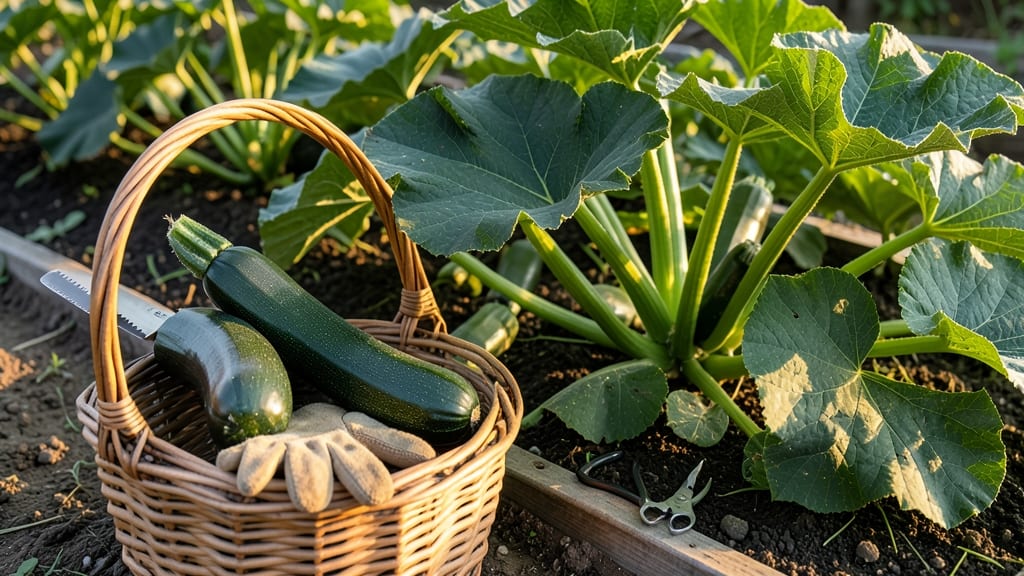
Harvesting zucchini at the right time 🎃 means the difference between a tender, meal-ready squash and one that’s tough, seedy, or bitter.
Picking too early leaves you with undersized zucchini, while waiting too long turns them into overgrown monsters that take up fridge space. The secret? Watch for that perfect moment when the skin slips easily under gentle pressure—and the flowers fade fast.
This isn’t just about size (though 6-8 inches is ideal); it’s about texture, flavor, and even how your plants respond. Get it wrong, and you’ll either miss out on peak harvests or end up with zucchini that’s past its prime.
In this guide, I’ll break down the exact signs to look for—from the skin slip test to flower color—and share pro tips to maximize your yield from July through September.
How to tell when zucchini are ready to harvest (skin slip test & more)
Timing your zucchini harvest can feel like guessing—until you learn the skin slip test and other foolproof signs. I’ve picked zucchini at every stage, from rock-hard to overripe, and the difference in flavor is night-and-day.
The key is catching them when they’re 6-8 inches long, with firm skin that resists gentle pressure. This guide breaks down the exact visual cues and techniques to ensure you never miss the window again.
Most gardeners focus on size, but the flower fade test is my secret weapon. When the flower at the zucchini’s base wilts and falls off, that’s your signal to harvest within 24 hours.
I’ve found this method works even better than measuring—especially for heirloom varieties that ripen faster. Combine this with the skin test, and you’ll have perfect zucchini every time.
Let’s start with the most reliable method—the skin slip test—which is simple enough for beginners but precise enough for experienced growers. Here’s how it works: gently press your thumbnail against the zucchini’s skin. If it doesn’t dent easily, it’s ready.
If the skin gives slightly, wait another day or two. This test works for both green and yellow varieties, though yellow zucchini may feel slightly softer at the same stage.
Now, let’s talk about size benchmarks. While the skin test is foolproof, 6-8 inches in length is the sweet spot for most zucchini varieties. At this stage, the flesh is tender, seeds are small, and the flavor is peak.
If you let them grow beyond 9 inches, they become tough and seedy—though they’re still edible if you peel them and remove the seeds. I’ve seen gardeners harvest at 4 inches for baby zucchini, but these are best for grilling or spiralizing.
| Harvest Indicator | Ready Zucchini | Not Ready Zucchini |
|---|---|---|
| Size | 6–8 inches long | Smaller than 6 inches |
| Skin Test | Resists thumbnail pressure | Gives slightly when pressed |
| Color | Deep, consistent hue | Pale or uneven color |
| Flower | Wilting or fallen off | Bright and open |
| Stem | Snaps easily when bent | Resists bending |
Don’t overlook the flower fade test, which is especially useful for prolific producers. When a zucchini’s flower wilts and drops off, it’s a clear sign the fruit is at its peak.
I’ve noticed that in my garden, flowers often fade by mid-morning, so I check my plants first thing to avoid missing the window. This method is particularly helpful for heirloom varieties, which can ripen faster than hybrid types.
Color consistency is another key indicator. Ready-to-harvest zucchini should have a deep, even color—whether green, yellow, or striped. If the color is pale or patchy, the zucchini needs more time.
For example, Golden Zucchini varieties should be a bright, uniform yellow, while Black Beauty should be a rich, deep green. Uneven coloring often means uneven ripening, which can lead to tough spots.
Harvesting at the right time also depends on your climate and variety. In hotter regions, zucchini may mature faster—sometimes in as few as 40 days—while cooler climates can extend the timeline to 60 days.
I’ve grown Eight Ball zucchini in both my urban garden and a rural plot, and the rural ones always took longer to reach harvest size due to cooler nights. Pay attention to your local growing conditions and adjust your expectations accordingly.
Pro tip: Use a sharp pruning shear or knife to harvest zucchini, cutting about 1 inch below the fruit. This prevents damage to the plant and encourages more production. I always sanitize my tools between plants to avoid spreading disease.
After harvesting, store zucchini in a cool, dry place for up to 5 days, or refrigerate for longer storage. For the freshest flavor, use them within 24 hours of picking.
Finally, remember that harvest frequency matters. Zucchini plants produce continuously, so check them every 2-3 days during peak season. If you miss the window, the zucchini will keep growing—sometimes reaching 12 inches or more—but the flavor and texture will suffer.
Overripe zucchini are still edible, but they’re best suited for baking or freezing rather than fresh eating.
Zucchini harvest time by variety: when to pick yellow, green, and heirloom types
Not all zucchini varieties ripen on the same schedule, and getting the timing right means the difference between a tender 6-inch squash and a woody 12-inch monster. Climate plays a huge role too—hot summers speed up ripening, while cooler regions may need an extra week.
Let’s break down the ideal harvest windows for popular varieties and how to adjust for your growing zone.
For Black Beauty (the classic green zucchini), the sweet spot is 50-55 days after transplanting, when they reach 6-8 inches and the skin resists gentle pressure. Golden Zucchini varieties like 'Golden Summer' ripen slightly faster—often in 45-50 days—but still need that same skin slip test for peak texture.
Heirlooms like 'Patio Star' or 'Eight Ball' (a compact type) may take 55-60 days due to their bushier growth habits.
| Variety | Days to Harvest | Size at Harvest | Skin Test | Climate Note |
|---|---|---|---|---|
| Black Beauty | 50-55 days | 6-8 inches | Skin resists thumbnail | Slower in cool zones |
| Golden Zucchini | 45-50 days | 6-7 inches | Skin slips slightly | Faster in heat |
| Eight Ball | 55-60 days | 4-6 inches | Firm to touch | Compact growth |
| Patio Star | 50-55 days | 5-7 inches | Skin tightens | Heat-tolerant |
If you’re in a hotter climate (like USDA Zone 9+), zucchini may ripen 10-14 days faster—check for harvest readiness every 3-4 days starting at day 40. In cooler zones (Zones 4-6), extend your timeline by 7-10 days and watch for flower fade (a key sign the fruit is ready).
Pro tip: Morning harvests prevent overripe squash from forming overnight.
Avoid these common mistakes that sabotage your harvest: waiting until zucchini turn yellow or spotted (a sign of overripeness), ignoring the stem snap test (a crisp break means it’s ready), or harvesting in afternoon heat (which stresses the plant).
Even heirloom varieties like 'Straight Neck' follow the same rules—just adjust for their longer vining habit.
For yellow zucchini varieties, the color deepens as they ripen, but don’t wait for full golden hue—harvest when they’re pale yellow-green and 6 inches long. Store them in a cool, dark place (like a pantry) for up to 1 week to preserve freshness.
And if your plants keep producing? It’s time to prune older leaves to redirect energy to new fruit.
Remember: Consistency is key. Check your zucchini 2-3 times weekly during peak season (July-September) and adjust your schedule based on your variety’s days-to-harvest range. With the right timing, you’ll enjoy tender, flavorful zucchini all season long—no bitter surprises!