
How To
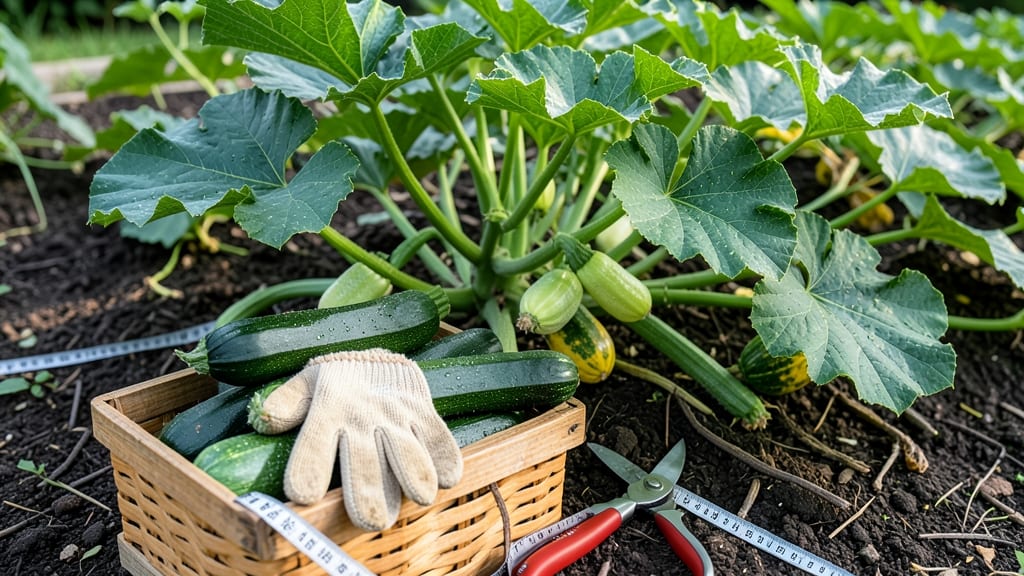
Harvesting zucchini at the right time ensures tender, sweet squash 🎃 — and skipping this window means tough, seedy, or bitter results.
Picture this: you’ve been checking your plants daily, but now they’re growing faster than you can keep up. That’s the classic sign you’re just days away from bolting, when flavor and texture go downhill fast. The secret? A simple trick using your fingers to gauge size before it’s too late.
Zucchini thrive in USDA Zone 6a from June through September, with peak harvests in July and August. But timing isn’t just about the calendar—it’s about the 3-fingerwidth rule, skin texture, and even the time of day you pick.
Get it wrong, and you’ll end up with oversized squash or wasted effort.
In this guide, I’ll walk you through the exact cues to harvest at peak sweetness, how often to pick for maximum yield, and what to do if you miss the window. No more guesswork—just perfectly ripe zucchini every time.
How to use the 3-Fingerwidth rule for perfect zucchini harvest timing
Harvesting zucchini at the right time transforms your garden into a flavor factory. The 3-fingerwidth rule is my go-to trick for timing harvests—it’s simple, foolproof, and works even when you’re not measuring with a ruler. Underripe squash tastes bland, while overripe zucchini turns tough and seedy.
This method ensures you nail the sweet spot every time.
Start by inspecting your zucchini plants every 2-3 days once flowers appear. Look for young fruits that are 1-3 inches long. This is when the 3-fingerwidth rule kicks in—wrap your thumb, index, and middle finger around the squash.
If it fits snugly like a tight glove, it’s ready for harvest. 1 finger means too small; 3 fingers means it’s reaching its peak.
Here’s the visual cheat sheet I use to avoid mistakes. The summary-table below breaks down exactly what to look for at each stage, so you can harvest with confidence—no guesswork required.
| Stage | Fingerwidth Rule | Length | Skin Texture | Stem Tip |
|---|---|---|---|---|
| Too Early | Fits 1 finger | <3 inches | Very soft | Flexible, bends easily |
| Perfect Time | Fits 2-3 fingers | 6-8 inches | Tender, slight resistance | Snaps cleanly when bent |
| Overripe | Fits 3+ fingers | 9+ inches | Hard, tough skin | Stiff, resists bending |
The color shift is another clue I never ignore. Ideal zucchini boasts a deep green hue—no yellowing or pale patches. If the skin starts turning yellow or dull, it’s a red flag that your squash is overstaying its welcome on the vine.
Pair this with the stem test: gently twist the stem near the fruit. If it snaps cleanly, it’s ready. If it resists, wait another day.
One common mistake I see is waiting too long because gardeners assume bigger zucchini means better flavor. False! Oversized zucchini (think football-sized) are woody and seedy, with a bitter taste. The 3-fingerwidth rule prevents this by encouraging frequent harvesting, which also boosts plant productivity.
When you pick regularly, your zucchini plant focuses energy on producing more fruits instead of letting a few get out of control.
Harvesting at the right time also extends your season. If you notice your zucchini plants bolting (sending up tall flower stalks), it’s a sign the plant is rushing to reproduce. This happens when days get shorter or temps drop.
To delay bolting, harvest aggressively and keep plants well-watered. If bolting starts, focus on picking any size zucchini—even small ones—to save what you can before frost.
Use a sharp pruning shears or clean knife to avoid damaging the plant. Cut the zucchini stem about 1 inch above the fruit to prevent disease. Never pull zucchini from the vine—this can rip the plant and leave it vulnerable to pests.
After harvesting, rinse gently with water and store in a cool, dark place for up to 5 days (or freeze for longer storage).
Pro tip: Harvest in the morning when zucchini is cool and crisp. This is when natural sugars are at their peak. If you’re unsure about size, measure twice: once with your fingers and once with a ruler.
Over time, you’ll trust your touch and harvest like a pro. The 3-fingerwidth rule isn’t just a trick—it’s a lifeline for zucchini lovers who want perfectly tender squash every time.
Remember, consistency is key. Check your plants daily during peak season (June-August in most zones) to avoid missing the harvest window. With this method, you’ll enjoy sweet, seedless zucchini straight from your garden—no tough, seedy disappointments here! 🎃
Signs your zucchini is overripe (and how to fix it)
Missed the 6-8 inch harvest window? Don’t panic—overripe zucchini still has uses, but the texture and flavor shift dramatically. The first warning sign is a hard, thick skin that resists your thumbnail pressure. When you press, it should yield slightly, not feel like a rock.
Next, check the seed cavity: if it’s large with mature, dark seeds, your zucchini has passed its prime for fresh eating.
Overripe zucchini also develops a woody stem that’s tough to cut, and the color may fade from vibrant green to dull or even yellowish. The plant itself might start bolting—sending up tall flower stalks—meaning it’s redirecting energy to seeds instead of fruit.
This is your cue to act fast before the plant shuts down production entirely.
Ideal vs. Overripe Zucchini
✅ Ideal Zucchini
- Size: 6-8 inches
- Skin: Tender, yields slightly
- Seeds: Tiny, white
- Stem: Green, flexible
- Flavor: Sweet, crisp
❌ Overripe Zucchini
- Size: 10+ inches
- Skin: Thick, tough
- Seeds: Large, dark
- Stem: Woody, hard
- Flavor: Bitter, starchy
To salvage overripe zucchini, try roasting or baking—the heat breaks down the tough fibers and caramelizes natural sugars. Slice them into rounds, toss with olive oil, salt, and pepper, then roast at 400°F for 25-30 minutes until golden.
You can also grate them into bread or muffins, where the texture blends in. For storage, wrap them in a paper towel inside a plastic bag and refrigerate for up to 5 days.
Prevent future overripening by harvesting every 2-3 days during peak season. Use the 3-fingerwidth rule: wrap your fingers around the zucchini—if it fits 3 fingers, it’s time to pick.
Thin out smaller fruits to encourage larger, more manageable zucchini. If your plant is bolting, prune the flower stalks to redirect energy back to fruit production.
For next season, consider succession planting every 2 weeks to stagger harvests. This ensures a steady supply of 6-8 inch zucchini without overwhelming your kitchen. Also, choose compact varieties like 'Eight Ball' or 'Patio Star' if space is limited—they’re easier to manage and less prone to bolting.
Remember, even overripe zucchini isn’t wasted—it’s just repurposed. With the right techniques, you’ll turn tough squash into delicious meals while keeping your plants productive. Happy harvesting! 🎃