
Vegetables
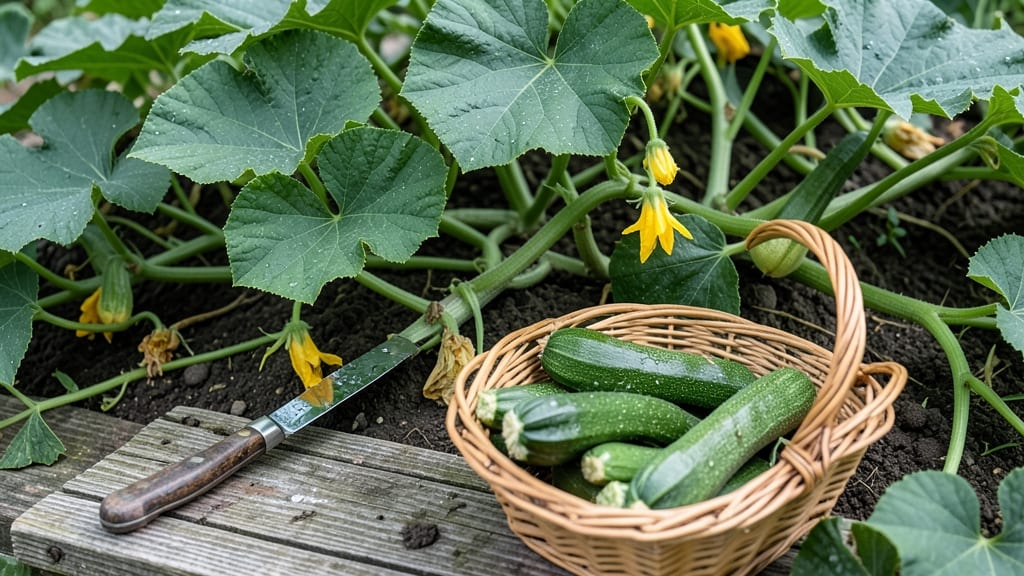
To harvest squash at its peak flavor and texture, watch for three key signs—skin hardness, stem dryness, and full color—that signal perfect ripeness 🎃.
Picking too early means bland, seedy squash, while waiting too long can turn your harvest into a rock-hard mess. I’ve learned the hard way that one wrong day can ruin a whole season’s worth of effort.
Whether you’re growing zucchini, butternut, or pumpkins, these visual cues take the guesswork out of harvesting. You’ll never second-guess when to grab your knife again.
Below, I break down the exact signals to look for, plus seasonal timing tips to ensure your squash stays fresh longer—no more wasted harvests!
3 Visual signs your squash is perfectly ripe for harvesting
Harvesting squash at the right moment transforms a simple garden task into a rewarding experience. The difference between a mild, tender summer squash and a sweet, storable winter variety often comes down to these three key visual cues.
I’ve learned the hard way—overripe squash turns mealy, while underripe fruit lacks flavor. Let’s dive into the foolproof signs that tell you it’s time to pick.
First, pay attention to the skin color. For summer squash like zucchini, the skin should shift from pale green to a deep, matte finish. Winter squash, such as butternut or acorn, will develop a hard, glossy rind with vibrant hues—think deep orange, golden, or even striped patterns.
This change signals the fruit has reached peak sweetness and texture.
Here’s where many gardeners go wrong: they rely solely on size. While squash like zucchini should be harvested at 6-8 inches long, others like pumpkins need to mature fully. The key is combining size with these visual cues to avoid mistakes.
Skin Hardness & Color Shift
Press your fingernail into the squash skin. If it doesn’t puncture easily, it’s ripe. Summer squash turns dull and matte, while winter squash develops a glossy, hard rind.
Stem Drying & Hardening
The stem should feel dry and papery near the fruit. If it’s still green and flexible, wait a few days. A brown, woody stem means it’s time to harvest.
Size & Weight Benchmarks
Compare the squash to its variety’s mature size. Zucchini should be 6-8 inches, acorn squash 4-6 inches wide, and butternut squash 12-18 inches long. A ripe squash feels heavy for its size.
Let’s break down these signs by squash type. For example, zucchini and yellow squash are best picked when they’re still small—around 6-8 inches—because they lose tenderness quickly. Their skin should be smooth and dull, not shiny or waxy.
I once waited too long and ended up with a woody, seedy mess—not ideal for stir-fries!
Winter squash like butternut or acorn require more patience. Their skin should be hard enough to resist when you press it with your thumbnail. The stem will also dry out completely, often turning brown.
This is your cue that the sugars have fully developed, making them perfect for roasting or storing.
Don’t overlook the weight factor. A ripe squash feels surprisingly heavy for its size. This happens because the fruit has absorbed all the nutrients it needs. Lift a few candidates—you’ll notice the ripe ones are denser and heavier than their underripe counterparts.
Pro tip: Use a sharp knife to harvest, cutting the squash from the vine rather than twisting it. This prevents damage to the plant and reduces the risk of disease entering through the stem. I’ve seen gardeners pull squash off too quickly, leaving ragged stems that attract pests.
Timing matters too. Most squash varieties ripen between late summer and early fall, but exact dates depend on your climate. In warmer regions, you might harvest as early as July, while cooler areas may extend into October.
Always check the frost forecast—squash won’t survive a hard freeze.
If you’re unsure, err on the side of harvesting slightly early. Squash continues to ripen after picking, but it won’t improve if left too long on the vine. Store your harvest in a cool, dry place with good airflow to extend its shelf life.
Mastering these visual cues will turn your squash harvest from hit-or-miss to consistently delicious. Next time you’re in the garden, take a moment to inspect your squash—your taste buds will thank you!
How to check squash ripeness without cutting it open (plus common mistakes)
Determining the perfect moment to harvest squash without slicing it open is easier than you think. I’ve tested these three foolproof methods over years of gardening—no guesswork, just science-backed cues.
Start by checking the skin hardness with gentle pressure from your thumb. A ripe squash will feel firm but not rock-hard, like a ripe avocado.
Next, examine the stem attachment. When it’s ready, the stem will begin to dry out and turn brown at the base. This signals the squash has stopped growing and reached peak flavor. For zucchini or yellow squash, this usually happens within 50-60 days of planting.
Finally, observe the color development. A fully ripe squash will have its true mature color—deep green for zucchini, golden for butternut, or rich orange for acorn. Uneven coloring means it’s not ready yet. These visual cues alone will save you from harvesting too early or too late.
⚠️ Common Mistake: Harvesting Too Soft or Too Hard
Overripe squash becomes woody and tough, while underripe squash lacks flavor and has seeds that aren’t fully developed. Both scenarios waste your harvest! For summer squash, aim for 6-8 inches long—any longer and it turns stringy. For winter squash, wait until the rind can’t be punctured with your fingernail.
For a deeper test, gently tap the squash—ripe ones make a hollow sound when tapped like a drum. This works best for larger varieties like butternut or pumpkins. If you’re unsure, cut a small slice (about ½ inch deep) near the stem.
The seed cavity should be fully formed with plump, white seeds for summer squash or hardened seeds for winter varieties.
If you’ve missed the window, don’t panic! Underripe squash can still be used in stir-fries or soups, while overripe squash roasts beautifully. Just peel away any soft spots and cook with a splash of lemon juice to preserve texture.
The key is acting quickly—store harvested squash in a cool, dry place (like a garage or basement) for up to 2 weeks.
Pro tip: Use a sharp knife and cut the squash from the vine with 1-2 inches of stem attached. This prevents damage to the plant and helps the squash store longer. Now you’re ready to harvest with confidence—no more rock-hard or mealy squash!