
How To
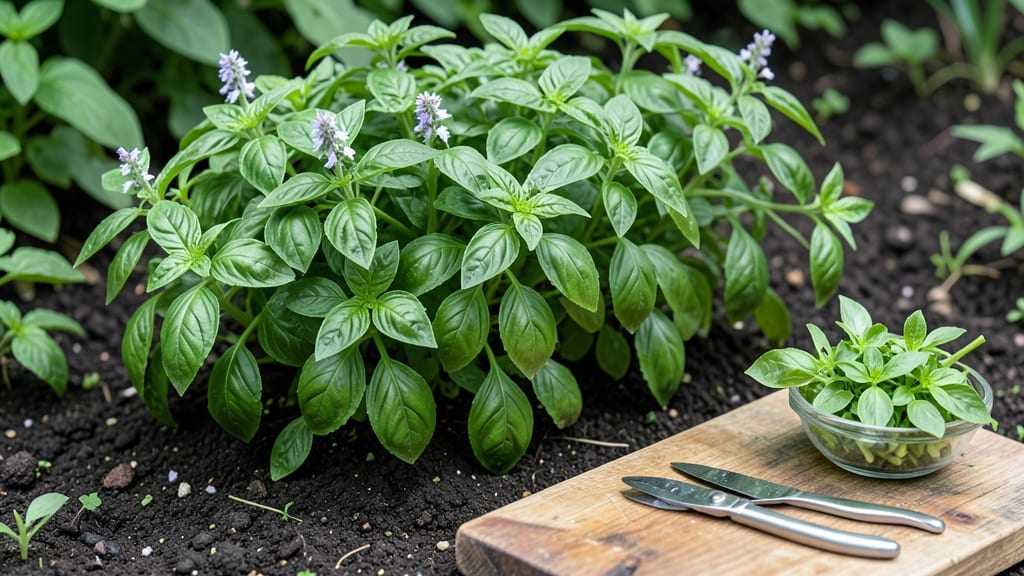
To harvest basil for pesto at its peak flavor, time your cuts just as the leaves reach 6-8 inches and before any flowers appear.
Nothing beats the fresh, vibrant flavor of homemade pesto—except maybe the frustration of wilted basil leaves when you finally get around to making it. Mastering the perfect harvest timing and regrowth techniques ensures your basil thrives year after year, giving you endless pesto-making potential.
You don’t need to harvest all the leaves at once—just snip the outer stems above a leaf node to encourage bushier growth. This method keeps your 🌿 plant productive for weeks, so you’ll always have fresh leaves on hand when pesto cravings strike.
Below, I’ll walk you through the exact steps for harvesting, storing, and reviving your basil so every batch of pesto tastes like summer in a jar.
When and how to harvest basil leaves for maximum pesto flavor
Harvesting basil at the right time transforms your pesto from mediocre to exceptional.
The key lies in understanding when leaves reach peak flavor and how to trim them without stunting growth. Genovese basil, the classic pesto variety, delivers the richest taste when harvested correctly, while other varieties like Thai basil or Purple basil follow similar principles.
Timing your harvest ensures your basil stays productive for weeks of fresh pesto-making.
For the best flavor, harvest basil leaves in the morning after dew dries but before the midday heat intensifies. This timing preserves essential oils that give pesto its signature aroma. Avoid harvesting during hot afternoons or when leaves feel wilted, as this can stress the plant and reduce flavor quality.
The ideal harvest window is between 7 AM and 9 AM, when leaves are fully hydrated and packed with flavor compounds.
🌿 Basil Harvest Guide for Pesto
| Harvest Stage | Plant Height | Leaf Characteristics | Best Time to Harvest |
|---|---|---|---|
| Early Growth | 4-6 inches | Soft leaves, light green | Avoid harvesting |
| Prime Harvest | 6-8 inches | Dark green, fragrant | Morning (7-9 AM) |
| Flowering Stage | 12+ inches | Bitter taste, flowers appear | Harvest immediately |
| Regrowth | 4-6 inches | New leaves emerge | Repeat harvest cycle |
Use clean, sharp pruning shears or scissors to cut basil stems just above a leaf node (the point where leaves attach). This encourages new growth from the node below. Never pull leaves off the stem, as this damages the plant and can lead to browning or rot.
For pesto, focus on the larger, mature leaves while leaving younger leaves to continue growing. This method ensures your basil plant stays bushy and productive for multiple harvests.
Seasonal timing matters too. In spring and early summer, basil grows rapidly, so you can harvest every 2-3 weeks without stressing the plant. During late summer, growth slows, so space harvests 3-4 weeks apart to avoid over-harvesting.
If your basil starts flowering, harvest the entire plant immediately—flowering signals the end of the plant's productive cycle, and leaves become bitter. Pinch off flowers as soon as they appear to extend your harvest window.
To preserve flavor after harvest, store leaves in a sealed container with a paper towel to absorb moisture. Place the container in the refrigerator and use within 3-5 days for peak freshness.
For long-term storage, freeze leaves in ice cube trays with olive oil (a classic pesto trick!) or dry them in a dehydrator at 95°F (35°C) for 2-4 hours. Dried basil retains flavor for months but loses some potency compared to fresh.
Avoid the common mistake of harvesting more than one-third of the plant at once. Over-harvesting weakens basil, leaving it vulnerable to pests or disease. If your plant looks stressed after harvesting, trim back any yellowing or damaged leaves immediately and increase watering slightly.
Healthy basil should bounce back within 7-10 days with proper care, regrowing lush new leaves for your next pesto batch.
For container-grown basil, follow the same rules but adjust harvest frequency based on pot size. Smaller pots (under 6 inches) may need longer recovery times between harvests, while larger containers (12+ inches) can handle more frequent trimming.
Always ensure containers have drainage holes to prevent root rot, a common issue with overwatered basil. Mulch around the base with straw or compost to retain moisture and encourage robust regrowth.
Pro tip: Rotate your basil plant quarter-turn daily if growing indoors to ensure even sunlight exposure. This prevents the plant from leaning toward light sources and keeps leaves evenly sized and flavorful.
Outdoor basil benefits from this too—just turn pots gently to avoid disturbing roots. Consistent light exposure is key to maintaining that bright green color and intense aroma that makes pesto irresistible.
When harvesting, always prioritize leaf quality over quantity. A few perfectly timed harvests yield better pesto than over-harvesting and sacrificing flavor. With these techniques, your basil will thrive, giving you a continuous supply of fresh leaves for homemade pesto all season long. Happy harvesting!
Regrowth hacks to keep your basil plant thriving after harvest
After harvesting basil for pesto, your plant needs proper care to bounce back strong. The key is pruning correctly—never removing more than one-third of the plant at once. This ensures the remaining leaves can photosynthesize enough to fuel regrowth while preventing stress that leads to leggy or sparse stems.
I always harvest in the morning when leaves are hydrated and full of flavor. Use sharp scissors or pruners to cut stems just above a leaf node—this encourages new shoots to sprout from that exact spot. Avoid tearing leaves, as jagged edges invite pests and disease.
⚠️ callout-warning ⚠️
🚨 Don’t Make These Mistakes After Harvest!
Over-pruning weakens your basil. Never cut more than 1/3 of the plant in one session, or you’ll stunt recovery. Also, avoid harvesting flower buds—they signal the end of the plant’s productive cycle and make leaves bitter.
Fix it: If buds appear, pinch them off immediately. For leggy stems, prune back to a lower leaf node to encourage bushier growth.
Watering is another critical step—consistency is key. Basil thrives with 1 inch of water weekly, but avoid soggy soil, which causes root rot. I water mine deeply in the morning so leaves dry quickly, reducing fungal risks.
Mulch around the base with straw to retain moisture and keep roots cool.
Feed your basil with a balanced fertilizer (like 10-10-10) every 4-6 weeks during the growing season. Look for dark green, vibrant leaves as a sign it’s thriving. If leaves yellow, it’s often a sign of overwatering or nutrient deficiency—adjust your care routine accordingly.
For indoor basil, place it near a south-facing window or under grow lights for 12-16 hours of light daily. Without enough light, stems stretch toward the source (a condition called etiolation), making leaves weak and less flavorful. Rotate the pot weekly for even growth.
Finally, monitor for pests like aphids or spider mites. A neem oil spray (mixed weekly) keeps them at bay without harming your plant. With these hacks, your basil will recover in 2-3 weeks, ready for your next pesto batch!