
How To
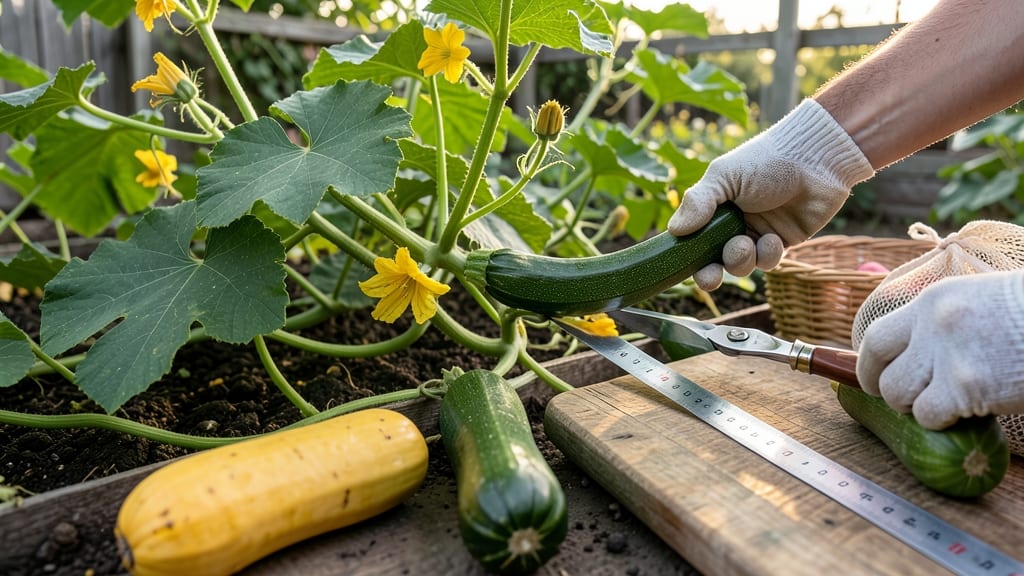
Knowing when to harvest squash 🎃 means catching it at peak flavor and texture—before it turns tough or seedy.
Picking too early means tough, bland flesh, while waiting too long risks overripe, seedy disappointment—so how do you nail the perfect harvest window?
Most gardeners miss the signs because they focus on size alone, but the real clues are in the skin, stem, and even how the fruit feels when you touch it.
Below, I’ll show you the three foolproof ways to check ripeness, including the thumbprint test, color cues, and stem changes—plus how to adjust for summer vs. winter varieties.
The thumbprint test & 3 physical signs your squash is ready
Nailing the perfect harvest window for squash can feel like guessing—until you learn the thumbprint test and two other foolproof physical cues. Summer squash like zucchini need quick action, while winter varieties like butternut squash reward patience.
The difference between tender, sweet flesh and overripe, seedy disappointment often comes down to these simple checks.
Start with the thumbprint test, the gardener's secret weapon. Press your thumbnail into the squash's skin—if it leaves a deep dent, it's not ready. If your nail barely makes an impression, that's your cue to harvest.
This method works for both summer and winter varieties, though winter squash will have a firmer skin overall.
Next, check the skin color. For summer squash, vibrant green or yellow means readiness. Winter squash should develop deep, consistent hues—think orange for butternut or tan for acorn. Uneven coloring or pale patches signal you're too early. Pro tip: Morning sunlight enhances true colors, so check after sunrise.
Don't overlook the stem separation test. Gently twist the stem at its base—if it snaps cleanly with minimal force, your squash is perfect. A stubborn stem means more time on the vine.
For winter squash, the stem end should also harden and darken slightly, while summer squash stems remain green but firm.
Firmness is your final check—run your fingers over the squash's surface. Summer varieties should feel solid but not rock-hard, while winter squash should have a thick, unyielding shell. Tap it gently: a hollow sound means maturity for winter types, while summer squash should feel dense throughout.
Timing matters most for summer squash varieties. Left too long on the vine, zucchini turn woody and seedy within days. Winter squash, however, can wait—some varieties even improve in flavor when cured for weeks after harvest. The key is consistent checking every 2-3 days during peak season.
For pumpkins and large winter squash, watch the vine too. When the main vine yellows and dies back, it's your final signal that the squash is fully mature.
At this stage, they'll store for months if cured properly. Summer squash, meanwhile, should be harvested before the vine flowers to prevent bitterness.
Remember: Harvesting at the right moment ensures sweet, tender flesh and maximizes storage life. Use these three methods together for foolproof results—no more guessing games in your garden. The thumbprint test alone might fool you, but combining all three signs guarantees perfect squash every time.
Pro tip: Harvest with a sharp knife and leave a short stem attached. This prevents rot and extends shelf life. For winter squash, let them cure in warm, dry conditions for 10 days before storing to develop their full flavor potential.
Harvest timing differences: summer squash vs winter squash
Summer squash like zucchini and yellow squash mature in just 45-55 days, while winter varieties such as butternut and pumpkins take 80-120 days to reach harvest. This dramatic difference means you can't use the same timing cues for both—what works for a zucchini won't apply to a pumpkin.
The key lies in understanding growth patterns and climate adjustments. Summer squash thrive in warm weather and bolt quickly, while winter squash need cooler temperatures to sweeten and harden. Let’s break down the variety-specific signs and how to adapt for your local growing season.
| Squash Type | Days to Maturity | Harvest Cues | Climate Notes |
|---|---|---|---|
| Summer Squash (Zucchini, Yellow Squash) | 45-55 days | Skin hard, 1-2" thumbprint, dark color | Harvest every 3-4 days to prevent overgrowth |
| Winter Squash (Butternut, Pumpkin) | 80-120 days | Rind tough, stem shriveled, seeds visible | Wait for first frost to sweeten; cure post-harvest |
For summer squash, focus on skin hardness and size. Use your thumb to press the squash—if it leaves a deep indentation, it’s ready. Zucchini should be 6-8 inches long, while yellow squash should reach 4-6 inches. Harvesting too late turns them seedy and bitter.
Winter squash, however, require patience. Butternut squash needs 100-120 days and should have a hard, glossy rind and a dry stem. Pumpkins take even longer—90-120 days—and should have a fully hardened shell and a stem that separates easily when twisted.
Adjust your harvest timing based on your local climate. In hotter zones, summer squash may mature faster, while in cooler regions, winter squash might need extra weeks. Always check variety tags for specific guidance and monitor weather forecasts for frost warnings.
Remember, harvesting at the right time ensures the best flavor, texture, and storage life. Summer squash should be eaten fresh within days, while winter squash can last for months if cured properly.