
Vegetables
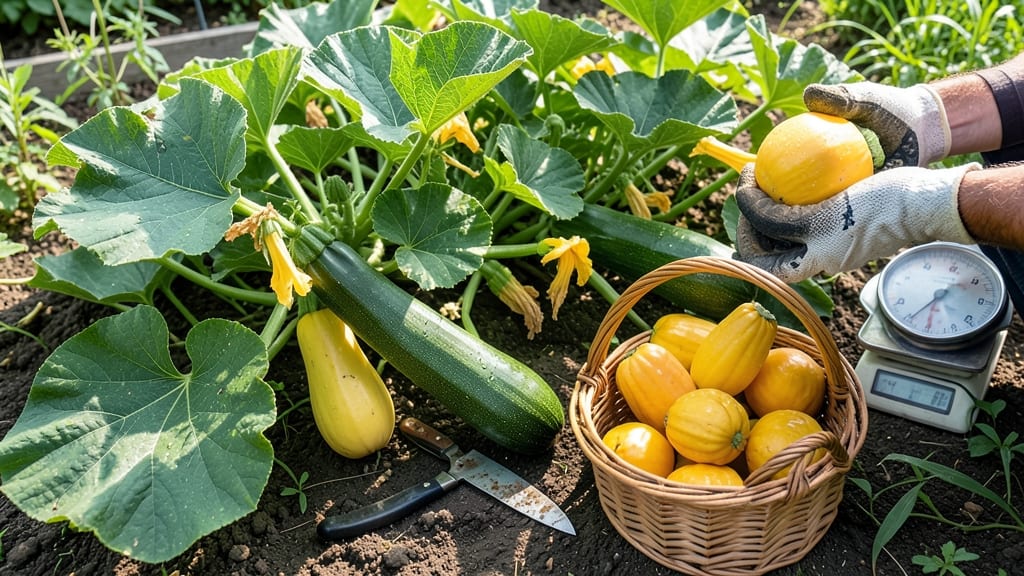
Harvesting summer squash at the right time means tender flesh and rich flavor—when the skin hardens just enough and seeds darken naturally 🎃.
Ever sliced into a squash only to find it tough and seedy, or worse, still raw inside? You’re not alone, and the fix is simpler than you think.
Most varieties reach peak ripeness about 50 days after planting, but the real secret lies in visual cues: a deep, even color, a skin that resists gentle pressure, and stems that snap cleanly.
Below, I’ll walk you through how to spot these signs, the best tools to use, and how to keep your plants producing all summer long.
How to identify summer squash harvest time by skin & seed changes
Summer squash like zucchini, yellow squash, and pattypan reach peak flavor when harvested at the right moment. The key lies in watching for skin texture changes and seed development.
Unlike winter squash, summer varieties should never harden completely—they're best picked young and tender. I’ve learned that ignoring these visual cues can turn your harvest into tough, seedy disappointments.
Start by checking the skin hardness. When your squash is ready, the skin should resist gentle pressure from your thumbnail. Press a fingernail into the skin near the stem—if it leaves a slight dent but doesn’t puncture easily, that’s your harvest signal.
For zucchini, this usually happens when they’re about 6-8 inches long, though some varieties like pattypan may be ready slightly smaller.
Next, examine the stem end. For most summer squash, the stem should turn from green to yellow or brownish when fully ripe. This color shift indicates the squash has stopped growing and reached its sweetest flavor.
However, some varieties like yellow crookneck may keep a green stem end even when ripe—don’t rely solely on this cue for all types.
Inside the squash, seed development tells another story. Cut open a candidate squash (or peek at the blossom end) to check seed size. At peak harvest time, seeds should be pea-sized but still soft.
If they’ve grown larger or turned hard and dark, you’ve missed the window. Overripe squash develop bitter flavors and tough skins, making them less enjoyable to eat.
Color consistency is another harvest indicator to watch. Mature summer squash develop even, vibrant hues—whether deep green for zucchini or golden yellow for yellow varieties. Uneven coloring or pale patches often signal the squash hasn’t fully ripened.
I’ve found that pattypan squash, with their scalloped edges, often show ripeness through their bright, uniform color across all surfaces.
Timing matters too—most summer squash varieties reach harvest 50-60 days after planting. However, environmental factors like temperature and daylight can shift this window. In hot climates, squash may mature faster, while cooler conditions can delay ripening. Always adjust your expectations based on your local growing season and weather patterns.
One trick I’ve learned is to harvest early in the morning when squash is coolest. This helps preserve their crisp texture and sweet flavor. Use a sharp knife or pruning shears to cut the squash from the vine, leaving about 1 inch of stem attached.
This small stem helps extend shelf life and prevents rot. Avoid twisting or pulling, as this can damage the plant and future fruit production.
If you’re unsure whether a squash is ready, err on the side of harvesting slightly early. Summer squash continue ripening off the vine for a few days, so you can always let them sit at room temperature to develop a bit more flavor.
Just avoid letting them overripe—once seeds harden and the skin toughens, they’ll be past their prime for eating.
For continuous harvests, I recommend checking your plants every 2-3 days
Best practices for harvesting summer squash at peak ripeness
Once you’ve spotted the perfect visual ripeness cues, the next step is harvesting with precision. Use a sharp pruning shears or clean knife to avoid damaging the plant—this encourages more production. Always cut about 1 inch above the fruit to prevent disease entry points.
Harvest in the morning after dew dries for the best flavor and texture. This timing also reduces stress on the plant, helping it recover faster for another round of fruit. For varieties like zucchini or yellow squash, aim to pick every 2-3 days once they start producing.
Gently twist the squash while pulling to avoid tearing the stem. If the stem resists, it’s not ready yet. Place harvested squash in a shaded, well-ventilated spot for a few hours before storing to prevent moisture buildup, which can lead to rot.
⚠️ Overripe Squash = Game Over
Leaving squash on the vine past peak ripeness triggers a bitter, seedy mess. Overgrowth also exhausts the plant, reducing future yields. Check plants daily in peak season—especially for prolific varieties like zucchini!
For short-term storage (3-5 days), keep squash in the crispere drawer of your fridge. For longer storage, wrap individual squash in paper towels and store in a cool, dark place like a basement. Avoid washing before storage—moisture speeds up spoilage.
To prevent overgrowth, prune older leaves shading the fruit to improve air circulation. This simple step reduces disease risk and helps the plant focus energy on producing more squash. Remove any damaged or diseased fruit immediately to protect the rest of your harvest.
Pro tip: Use a harvest basket lined with straw to cushion squash during transport. This prevents bruising, which can lead to premature spoilage. Label varieties if growing multiple types—some, like pattypan squash, ripen faster than zucchini.