
How To
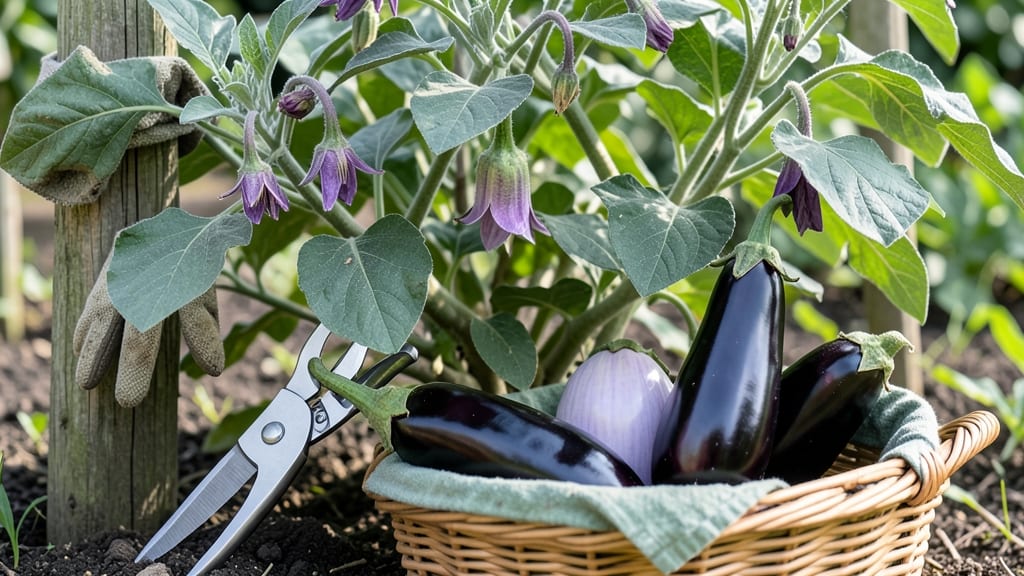
Harvesting Black Beauty eggplant at the right time means rich, tender flesh and glossy purple skin—wait too long, and you’re left with seedy, bitter disappointment.
Picture this: your 🍆 plants are thriving in Zone 6a, but you’re staring at a fruit that’s either rock-hard or already splitting at the seams. The key? Timing it just as the color deepens to a velvety black-purple and the skin yields slightly when pressed.
In warmer climates, that window opens as early as July, while cooler regions might stretch it to September. Below, I’ll break down the exact visual cues—size, color, and firmness—plus how to adjust for your local heat or short growing season.
You’ll also learn how to store your harvest (yes, refrigeration can backfire) and spot the 3 common mistakes that turn perfect eggplants into sad, mealy scraps.
How to identify the perfect harvest time for Black Beauty eggplant
Knowing when to harvest Black Beauty eggplant transforms your garden from a gamble to a guaranteed flavor success. This heirloom variety rewards patience with its deep purple skin and tender, meaty flesh, but timing is everything.
Harvest too early, and you’ll get underdeveloped fruit with bitter undertones. Wait too long, and the skin toughens while seeds mature—ruining that signature creamy texture we all love.
The ideal harvest window for Black Beauty occurs 80-100 days after transplanting, typically between July and September in most USDA zones. But don’t rely solely on days—focus on three key indicators: size, color, and skin firmness.
These visual and tactile cues ensure you pick your eggplant at peak perfection, just when its flavor and texture reach their zenith.
📌 Here’s how to spot the perfect moment:
Let’s break down these indicators further. The 6-8 inch size benchmark is your first clue—any smaller, and the flesh may still be underdeveloped.
Black Beauty eggplants typically reach this size 80 days after transplanting, but always double-check the other signs. Color consistency is next: mature Black Beauty fruit should be a uniform deep purple with no green patches. Those green streaks signal immaturity, which can lead to a bitter taste.
For the firmness test, use your thumb to press the skin gently. It should feel resistant but slightly springy, like a ripe peach. If it feels rock-hard, it’s not ready yet. If it leaves a dent, it’s overripe.
This tactile check is your best friend—overripe eggplants develop tough skin and seeds that dominate the flavor. Pro tip: Harvest in the morning when the skin is coolest and firmest, ensuring the best texture for your recipes.
Don’t overlook the stem test, which reveals the fruit’s readiness to separate from the plant. When you twist the stem near the fruit, it should snap cleanly without tearing. If it resists or pulls away with the stem, wait another day or two.
This simple test prevents damaged stems and ensures your eggplant stays intact during harvest. Use clean, sharp pruners to cut the stem 1 inch above the fruit for a clean break.
Climate plays a role too. In hotter regions (zones 9-11), Black Beauty eggplants may ripen faster—sometimes in as few as 70 days. Conversely, in cooler zones (6-8), they might take closer to 100 days.
Always adjust your harvest timeline based on your local growing season. If frost threatens before your eggplants reach maturity, harvest them immature but firm and let them ripen indoors at room temperature for a few days.
One common mistake gardeners make is waiting until the eggplant’s skin turns completely black. While this might seem like the ultimate color, it often signals overripeness. Black Beauty’s deep purple is its signature—don’t let it darken to black.
Overripe eggplants also develop soft spots or cracked skin, which can attract pests like fruit flies. Harvest at the peak purple stage to avoid these issues and enjoy the best flavor and texture.
Finally, consider the seasonal timing of your harvest. In most climates, Black Beauty eggplants are ready to pick between mid-summer and early fall. If you’re growing in containers, expect a slightly shorter harvest window—potted plants may mature 1-2 weeks earlier than in-ground varieties.
Keep an eye on your plants and use the three-key indicators (size, color, firmness) to time your harvest perfectly for a bounty of flavorful, restaurant-quality eggplants straight from your garden.
Common harvest mistakes that ruin your Black Beauty eggplant
Harvesting your Black Beauty eggplant too early or too late can turn your garden bounty into a bitter, seedy disappointment. Many gardeners miss subtle clues that signal overripe fruit—like soft spots or cracked skin—that ruin both texture and flavor.
Even experienced growers sometimes ignore seed development or stem separation, leading to wasted effort.
One of the biggest mistakes is assuming size alone determines readiness. While 6-8 inch length is ideal, an eggplant can reach that size while still underripe or already past its prime.
Another common error is harvesting based on color changes without checking for firmness—a glossy purple skin doesn't guarantee peak flavor. Let's fix these oversights before your next harvest.
⚠️ WARNING: 3 Signs Your Black Beauty Eggplant Is Too Late for Harvest
1. Soft Spots - Press gently: if skin gives like a ripe avocado, it's overripe. Overripe eggplants develop mealy flesh and bitter taste.
2. Cracked Skin - Deep fissures mean the fruit absorbed too much water. These cracks invite pests and rot, making the eggplant inedible.
3. Seeds Visible - If you can see black seeds through the skin or when cut, the eggplant is past its prime. Seeds indicate starch buildup, not sweetness.
💡 Pro Tip: Harvest before these signs appear—when stems snap cleanly and skin is firm but slightly yielding.
Another frequent mistake is harvesting underripe eggplants because they're the only ones available. These small, green-tinged fruits lack the creamy texture and deep flavor you crave.
I've seen gardeners leave eggplants on the vine too long, hoping for bigger size, only to end up with woody stems and shriveled flesh. The key is consistent checking—inspect your plants every 2-3 days during peak season.
Don't ignore the stem separation test, either. A properly ripe Black Beauty eggplant will have a stem that twists off cleanly with minimal resistance. If the stem tears or leaves a stub, the fruit isn't ready.
This simple test saves countless overripe or underripe harvests. I've found that morning harvests work best—cooler temperatures help preserve skin integrity and flavor compounds.
Climate plays a surprising role in harvest timing. In hot, humid regions, eggplants ripen faster and may need harvesting every 1-2 days to avoid overripeness. Conversely, in cooler climates, the ripening process slows, giving you more time to monitor maturity.
Pay attention to your local first frost dates—if winter approaches, harvest even slightly underripe eggplants to prevent cold damage.
One advanced trick I've learned is to harvest younger eggplants for tender, less bitter results. While Black Beauty typically reaches 8 inches, you can pick them at 4-6 inches for smoother texture.
Just be prepared for smaller yields. For maximum yield, focus on removing overripe fruit immediately—this encourages the plant to produce more high-quality eggplants.