
How To
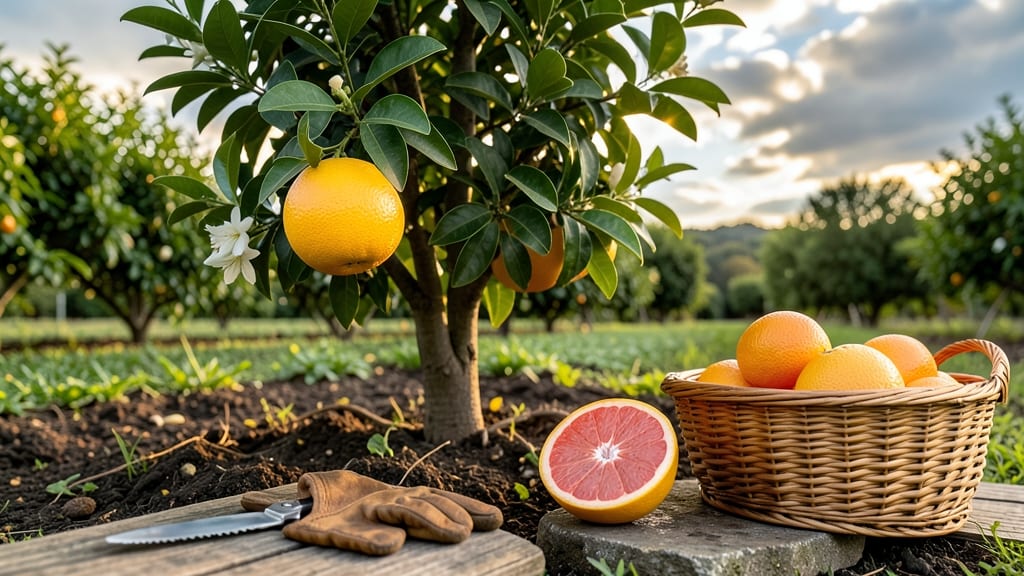
Harvesting grapefruit at the right time turns a good crop into a sweet, juicy treasure—because waiting too long means bitter, seedy fruit instead of the vibrant flavor you crave.
Picture this: your 🍊 grapefruit tree in General (USDA Zone 9b) loaded with fruit, but how do you know when to pick? The secret lies in color shifts, weight, and even a gentle squeeze—details most gardeners overlook until it’s too late.
In late fall to early winter, the skin deepens from green to a rich yellow or orange, and the fruit feels heavy for its size. Miss these cues, and you’ll end up with underripe or overripe fruit that lacks the bright, tangy sweetness you love.
Below, I’ll walk you through the exact tricks to test ripeness—no guesswork, just foolproof methods for harvesting grapefruit at peak flavor, whether you’re in Zone 9b or a slightly cooler region.
How to identify the perfect grapefruit harvest color and ripeness
Harvesting grapefruit at the right time ensures maximum sweetness and flavor, but color alone isn't always enough to judge ripeness. Ruby Red, White, and Pink varieties all mature differently, so understanding their unique cues is key.
For example, Ruby Reds develop a deep pinkish-red blush, while Whites stay pale yellow-green until fully ripe. The transition from green to yellow-orange (or pink) signals maturity, but don't rely solely on color—texture and scent play equally important roles.
Start by examining the grapefruit's skin color. A ripe Ruby Red grapefruit will have a vibrant pinkish-red hue, while White varieties turn a pale yellow-green to yellow. Pink grapefruits develop a soft pink blush over a yellow-green base.
If the fruit still has green patches, it needs more time on the tree. Remember, grapefruits don't ripen further after picking, so timing is everything. Overripe fruit can become mealy and lose its signature tangy-sweet balance.
| Variety | Ripe Color | Texture | Scent | Best Harvest Months |
|---|---|---|---|---|
| Ruby Red | Deep pinkish-red blush | Slightly yielding when pressed | Sweet, citrusy aroma | November - January |
| White | Pale yellow-green to yellow | Firm but not hard | Mild citrus scent | December - February |
| Pink | Soft pink blush over yellow-green | Slightly soft near stem | Balanced sweet-tart aroma | October - December |
Beyond color, pay attention to the fruit's texture. A ripe grapefruit should feel slightly heavy for its size and yield gently when pressed near the stem. If it feels rock-hard or spongy, it's either underripe or overripe.
Gently twist the fruit at its stem—if it separates easily, it's ready to pick. This test is especially useful for Ruby Red varieties, which can sometimes stay firm even when ripe. Pro tip: Compare two grapefruits side by side; the riper one will often feel noticeably heavier.
Your nose is your best tool for final confirmation. A ripe grapefruit emits a sweet citrus aroma, almost like a mix of orange and lemon with a hint of floral notes.
If it smells dull or sour, it's not ready. Pink varieties often have the strongest scent, while Whites can be subtler. Sniff near the stem end, where the most concentrated oils gather. This scent test works best in the morning when temperatures are cooler and aromas are more pronounced.
Seasonal variations matter too. In USDA Zone 9b, grapefruits typically ripen between October and February, but early varieties like Ruby Reds may start as soon as late September.
If you're in a cooler climate, wait until after the first frost to harvest, as cold snaps can stunt ripening. Keep an eye on your tree—some varieties produce fruit year-round in warm climates, so consistent monitoring is key.
For container-grown trees, harvest slightly earlier, as they ripen faster due to limited root space.
One common mistake is harvesting based on size alone. A grapefruit can reach full size but remain sour if not fully ripe. Always combine color, texture, and scent checks for accuracy. For example, a White grapefruit might look yellow but taste bland if picked too early.
Conversely, leaving it too long on the tree can lead to overripeness, where the flesh becomes dry and seedy. Balance is everything—aim for that sweet spot where the fruit is firm but yields slightly.
If you're unsure, harvest a few grapefruits and let them ripen indoors at room temperature for 3-5 days. This won't improve flavor much, but it can help soften slightly underripe fruit. Store them in a cool, dry place away from direct sunlight.
For long-term storage, refrigerate them—this slows ripening but can dull flavors slightly. Remember, grapefruits are best enjoyed fresh, so prioritize harvesting at peak ripeness for the best taste.
Finally, watch for seasonal color shifts in your specific region. In Florida, grapefruits may develop color earlier due to longer growing seasons, while California varieties might take longer to ripen fully. Local microclimates can also affect timing—trees in sheltered spots ripen faster than those exposed to wind.
Keep a harvest journal to track patterns in your garden, noting the exact dates and conditions when your grapefruits reach perfection.
With these color, texture, and scent cues, you'll never miss the perfect moment to harvest your grapefruits again. The reward? Juicy, sweet, and tangy fruit that's far superior to store-bought varieties. Happy harvesting—and may your citrus trees always bear the sweetest gems! 🍊🌱
Weight and firmness tricks to avoid overripe or underripe grapefruit
Harvesting grapefruit at the perfect moment means balancing weight, firmness, and gentle pressure—three simple tests that reveal whether your fruit is ready to pick or still needs time on the tree.
Unlike some fruits that soften as they ripen, grapefruit should feel slightly firm with just a hint of give when ripe. I’ve learned the hard way that overripe grapefruit turns mealy and bitter, while underripe ones stay tart and unyielding.
Start by lifting a grapefruit in your hand—ripe fruit feels heavy for its size. A grapefruit that’s still firm and light likely needs more time to develop its sweetness. I compare it to holding a softball versus a dense rock; the ripe one has weight without feeling dense.
This test works best when comparing multiple fruits from the same tree, as size and variety can affect individual weights.
Next, perform the gentle squeeze test near the fruit’s equator. Press your thumb and fingers into the skin—ripe grapefruit should yield just slightly, like pressing your palm into a ripe avocado.
If it feels rock-hard, it’s underripe; if it gives too easily or leaves an indentation, it’s overripe. I use this test daily during harvest season to avoid missing the sweet spot.
🌱
Overripe Grapefruit Warning
Don’t wait too long! Overripe grapefruit loses its vibrant flavor, becoming mealy and overly sweet with a bitter aftertaste. The skin may also develop soft spots or wrinkles. If you notice these signs, harvest immediately—even if the fruit isn’t perfectly ripe, it’s better than leaving it to spoil on the tree.
Distinguishing between tree-ripe and storage-ripe grapefruit is key to flavor. Tree-ripe fruit is ready to eat immediately and boasts the best balance of sweetness and acidity. Storage-ripe grapefruit, often picked early for shipping, may lack that vibrant flavor but can ripen further indoors.
To test for tree ripeness, twist the fruit gently—it should separate cleanly from the stem without tearing. If the stem resists or the fruit pulls away with a chunk of skin, it’s not ready.
For pink or red grapefruit varieties, the firmness test is even more critical. These types often ripen slightly earlier than white grapefruit and can turn mushy faster. I’ve found that pressing near the blush-colored side gives the most accurate read, as this area ripens first.
If the blush deepens to a rich hue but the fruit still feels firm, it’s time to harvest—these varieties rarely improve after picking.
Finally, combine all three tests: weight, firmness, and stem separation. If a grapefruit checks all boxes—heavy, slightly yielding, and clean stem separation—it’s ready. I harvest these first, then recheck the remaining fruit in 2–3 days.
This method ensures I get the sweetest, juiciest grapefruit possible, avoiding the disappointment of bitter or mushy fruit.