
How To
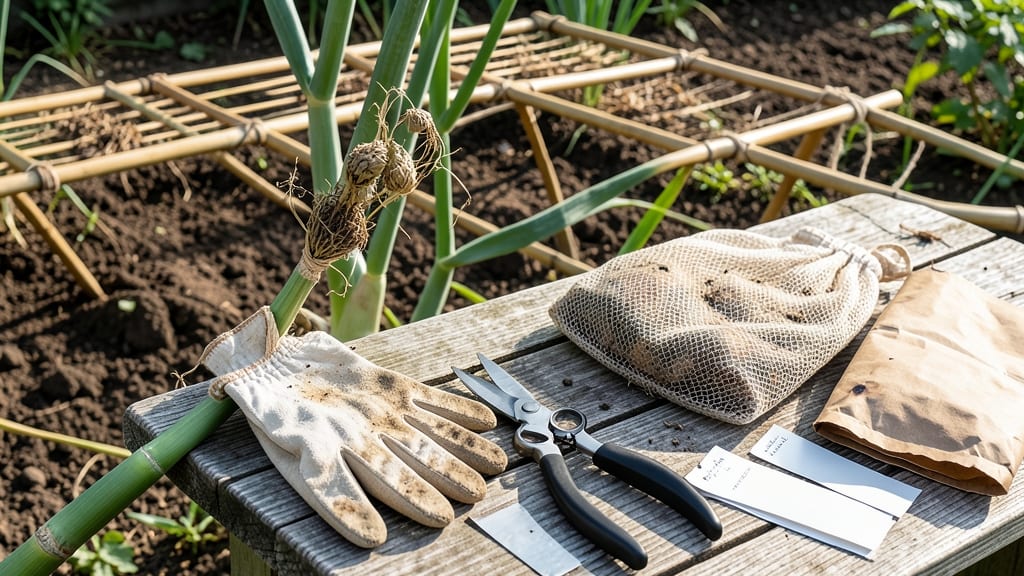
Harvesting onion seeds requires patience and precision—waiting for flower stalks to turn brown and crack open naturally is the key to saving high-quality seeds for next year.
Did you know that harvesting onion seeds from your garden can save you money and ensure heirloom quality—but timing is everything? Missing the window when flower stalks turn brown and crack open means wasted effort and lost seeds.
Most gardeners focus on the bulb, but the real magic happens after flowering. Once those papery brown stalks appear, you’ve got a short window—usually 1-2 weeks—before seeds scatter or spoil. The right technique makes all the difference.
Below, I’ll walk you through how to spot mature seed pods, collect them without damage, and dry them properly to store for years. No more guesswork—just reliable, high-germination seeds ready for your next planting.
When and how to identify mature onion seed stems for harvesting
Harvesting onion seeds at the right moment ensures high viability and strong germination rates for next season. The key is watching for three critical signs: flower stalk color changes, seed pod formation, and natural cracking.
If you miss this window, your seeds may not store well or germinate properly. Let’s break down exactly what to look for and when to act.
Onion plants produce flower stalks (also called seed stems) after reaching maturity, typically 90-120 days after transplanting. These stalks start green but gradually transition through stages until they’re ready for harvest.
The color shift from green to brown is your first clue that the seeds are maturing inside the pods.
Here’s the summary-table of what to watch for at each stage, including climate-specific adjustments for different growing zones:
| Stage | Visual Signs | Action | Growing Zone Adjustments |
|---|---|---|---|
| Early Flowering | Green stalks with white/purple flowers | Monitor daily for color changes | Zones 3-5: Protect from late frosts |
| Pod Formation | Flowers wilt; green seed pods appear | Reduce watering to 1x/week | Zones 6-8: Harvest pods early to avoid heat stress |
| Maturity (Ready) | Brown, papery stalks + rattling seeds | Harvest immediately; dry indoors | Zones 9-11: Watch for humidity—harvest faster |
| Overripe (Avoid) | Stalks split open; seeds scatter | Collect scattered seeds if viable | All zones: Use breathable bags to contain seeds |
The peak harvest time occurs when the flower stalks turn completely brown and papery, and the seed pods begin to rattle when shaken. This typically happens 90-120 days after flowering, but exact timing depends on your climate and onion variety.
For example, short-day onions (like Texas Early White) mature faster in hot climates, while long-day onions (like Yellow Sweet Spanish) may need extra time in cooler zones.
To test readiness, gently shake a seed pod over a white surface. If seeds easily fall out and are dark brown/black, they’re ready. If pods are still green or firm, wait 3-5 more days. Overripe seeds lose viability, so don’t delay once stalks start cracking open naturally.
In humid climates (Zones 9-11), harvest pods earlier to prevent mold or rot. Use breathable paper bags to collect seeds and dry them indoors immediately. In dry climates (Zones 3-5), you can leave stalks on plants slightly longer, but bring them inside before rain to avoid moisture damage.
Pro tip: Label your onion varieties with flags or stakes at planting time. This helps track which seeds belong to which onion type, especially if you’re growing multiple varieties. Mislabeling can lead to cross-contamination and mixed seed batches, reducing germination rates.
Once you’ve confirmed maturity, the next step is gentle collection. Use clean scissors or pruners to cut the entire seed stalk at the base, then hang it upside down in a dry, well-ventilated area (like a garage or shed) for 1-2 weeks
This allows seeds to fully dry and detach from the pods naturally.
Step-by-step process for collecting and drying onion seeds properly
Once your onion seed stalks have turned completely brown and papery, it’s time to harvest those precious seeds. The key is to act quickly before the seed pods crack open and scatter—this usually happens within 1-2 weeks after the stalks dry.
I’ve learned that patience here pays off, as rushing can lead to immature or damaged seeds that won’t germinate well.
Gather your harvesting tools: a pair of clean scissors or pruners, a paper bag or breathable fabric sack, and a drying tray or screen. Work on a dry, sunny day when humidity is low to prevent mold.
The goal is to collect seeds gently while preserving their viability for next season’s planting.
Use clean scissors to snip the entire seed stalk just above the bulb. Avoid damaging the seed pods themselves.
Bundle stalks in small groups and hang them upside down in a dry, shaded area (like a garage or shed) for 1-2 weeks. This allows seeds to loosen naturally inside pods.
Once stalks are completely dry, place them on a clean sheet of paper and gently crush the pods with your fingers. Seeds will spill out—avoid blowing them away!
Option 1 (Air-Drying): Spread seeds in a single layer on a screen or tray in a cool, dark place for 2-3 weeks until fully dry. Option 2 (Dehydrator): Use a food dehydrator at 95°F (35°C) for 4-6 hours for faster drying.
Transfer dried seeds to paper envelopes or airtight containers with a silica gel packet to absorb moisture. Label with the variety name and harvest year—seeds stay viable for 2-3 years if stored in a cool, dark place.
I’ve found that air-drying works best for most gardeners because it’s low-cost and gentle on seeds. However, if you’re in a humid climate, a dehydrator can prevent mold and speed up the process. Just avoid high heat, which can reduce germination rates.
Pro tip: Test a few seeds before storing the whole batch by placing them in a small container with damp paper towels. If they sprout within 7-10 days, your harvest is ready for long-term storage. This simple germination test saves you from storing non-viable seeds for years!
Once stored, keep your seeds in a cool pantry or refrigerator to maintain maximum potency. I’ve successfully grown onions from seeds stored for 3 years, though freshness declines over time. Labeling containers with the harvest date helps you prioritize older seeds for planting first.