
How To
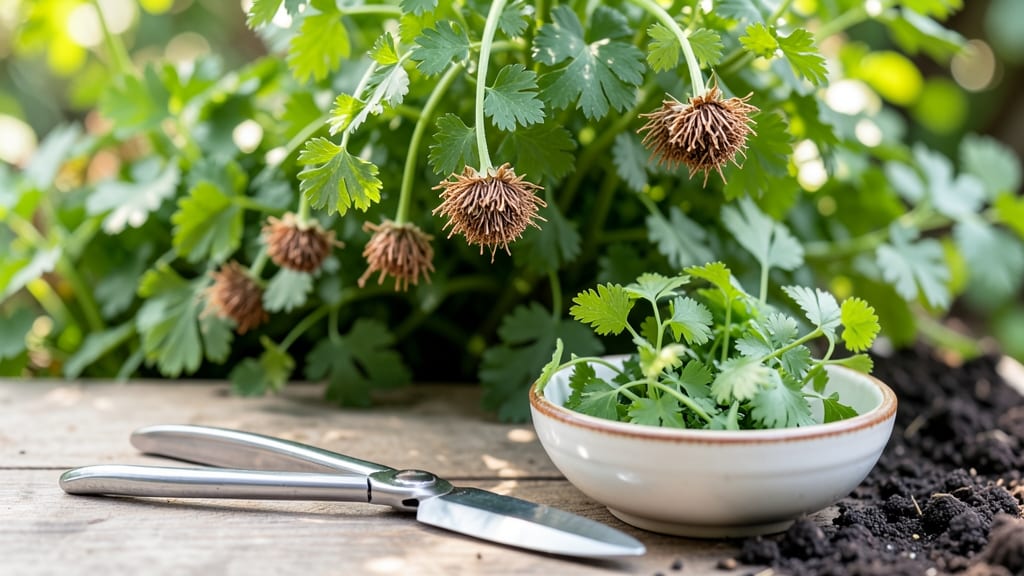
To harvest coriander plant at its peak, focus on timing—cut leaves when they’re tender and just before the plant bolts, or wait for seeds to dry fully on the stems.
There’s nothing worse than pulling fragrant leaves only to find they’ve turned bitter or watching your seeds shatter before they’re ready. The difference between a flavorful harvest and a wasted crop often comes down to a few simple techniques.
Whether you’re snipping fresh leaves for salsas or saving seeds for spice blends, knowing when and how to harvest ensures your coriander keeps giving all season. Below, I’ll walk you through the best methods for both leaf and seed harvests, plus pro tips to extend your plant’s productivity.
You’ll learn how to spot the perfect moment to cut, which tools make the job easier, and how to revive your plant for a second harvest—so you never run out of fresh cilantro again.
When and how to harvest fresh coriander leaves for maximum flavor
Harvesting coriander leaves at the right moment transforms your garden into a flavor factory. The key is timing—cut leaves when they're 3-6 inches tall and before the plant bolts, or those citrusy notes fade fast.
I’ve learned the hard way that waiting too long turns my prized cilantro harvest into bitter, woody stems. Let’s fix that with precise techniques.
Start by checking your plant’s leaf maturity. Look for dark green, lush foliage with a strong scent when crushed. These are your cues that the leaves are at peak flavor.
If you see flower buds forming, you’ve missed the window—bolting has begun, and the leaves will lose their zesty punch. I always harvest mine in the morning after dew dries for the freshest flavor.
Here’s how to do it right—every step matters for regrowth and continuous harvests:
- Wait 6-8 weeks after planting for leaf maturity.
- Use clean, sharp scissors or pruners to avoid crushing stems.
- Cut outer leaves first, leaving inner growth intact for regrowth.
- Snip just above leaf nodes—this encourages new shoots.
- Harvest every 2-3 weeks to prevent bolting and maximize yield.
- Avoid overcrowding—thin seedlings early to improve air circulation.
Never pull leaves by hand—this damages the plant and reduces future harvests. I once ripped a whole plant trying to salvage a few leaves, and it took weeks to recover.
Instead, focus on clean cuts at the base of the outer stems. This method keeps your coriander plant producing tender leaves for weeks.
If your plant starts bolting too soon, blame heat stress or poor soil conditions. Coriander hates extreme temperatures—it bolts when days get long or soil stays too dry. To fix this, move potted plants to partial shade and water deeply in the morning.
I’ve saved bolting plants by giving them consistent moisture and a little shade cloth during peak afternoon sun.
For continuous harvests, space plantings 2-3 weeks apart. This staggered approach ensures you always have fresh leaves while older plants finish their cycle. I plant my first batch in early spring and a second in late summer to enjoy coriander all season.
Just remember: never harvest more than 1/3 of the plant at once, or you’ll stunt regrowth.
One common mistake? Harvesting woody stems instead of leaves. If your coriander feels tough, you’ve waited too long. The ideal leaf texture should be soft and flexible—like fresh basil, not a twig.
When in doubt, pinch a leaf: if it snaps easily and smells bright, it’s ready. If it’s tough and smells dull, wait another week.
After harvesting, rinse leaves gently under cool water to remove dirt, then pat dry with a clean towel. Store them in the fridge wrapped in a damp paper towel inside a plastic bag—they’ll stay fresh for 1-2 weeks.
For long-term storage, freeze leaves in ice cube trays with water or chop and store in airtight containers. I freeze mine in batches to always have fresh cilantro on hand.
With these techniques, you’ll enjoy bold, flavorful coriander all season long. Just remember: harvest young, harvest often, and your plants will reward you with a never-ending supply of that prized citrusy green. Happy snipping!
Step-by-step guide to harvesting and drying coriander seeds
Once your coriander plants start flowering, their umbell-shaped seed heads turn from white to brown—this is your cue to harvest for nutty, aromatic seeds. Unlike leaf harvesting, seed collection requires patience, as seeds need time to fully mature on the plant.
Waiting until the seed heads turn tan or light brown ensures maximum flavor and viability, but harvesting too late can lead to seed loss from birds or wind.
Timing is everything: harvest seeds when 70-80% of umbels have turned brown, but before they shatter and scatter seeds everywhere. Use clean, sharp scissors to snip the entire seed head just above the main stem.
This method preserves the plant’s energy for any remaining seed heads, maximizing your yield from a single plant. Work on a dry, sunny day to minimize moisture and speed up the drying process.
| Method | Time Required | Seed Quality | Best For |
|---|---|---|---|
| Air-Drying | 7-14 days | Highest flavor retention | Home gardeners, bulk harvests |
| Oven-Drying | 2-4 hours | Good, but slight flavor loss | Small batches, cold climates |
For air-drying, bundle 3-5 seed heads together with a rubber band and hang them upside down in a dry, well-ventilated spot away from direct sunlight. Choose a location with consistent airflow, like a pantry or garage, to prevent mold.
After 1-2 weeks, the seeds will rattle inside the dried umbels—this signals they’re ready. Gently rub the dried heads between your palms to release the seeds, then sift through a fine-mesh strainer to remove debris.
If you’re short on time or live in a humid climate, oven-drying is a faster alternative. Preheat your oven to 170°F (77°C) and spread seed heads on a baking sheet lined with parchment paper.
Prop the oven door open slightly to allow moisture to escape, then dry for 2-3 hours, checking frequently to avoid overheating. Test for dryness by crushing a seed—if it feels brittle and crumbles easily, it’s ready.
Store dried coriander seeds in an airtight glass jar or resealable bag in a cool, dark place like your pantry. Label the jar with the harvest date, as seeds retain their best flavor for 6-12 months.
For culinary use, toast seeds in a dry skillet over low heat for 1-2 minutes to enhance their nutty aroma before grinding or sprinkling over dishes like curries, soups, or baked goods.
Pro tip: Save a small portion of your dried seeds for next year’s planting. Coriander seeds maintain 80-90% viability for up to 3 years when stored properly, making them a cost-effective way to restart your garden.
Just remember, seeds from store-bought dried coriander may not grow true to type—always save seeds from your own healthy plants for best results.