
How To
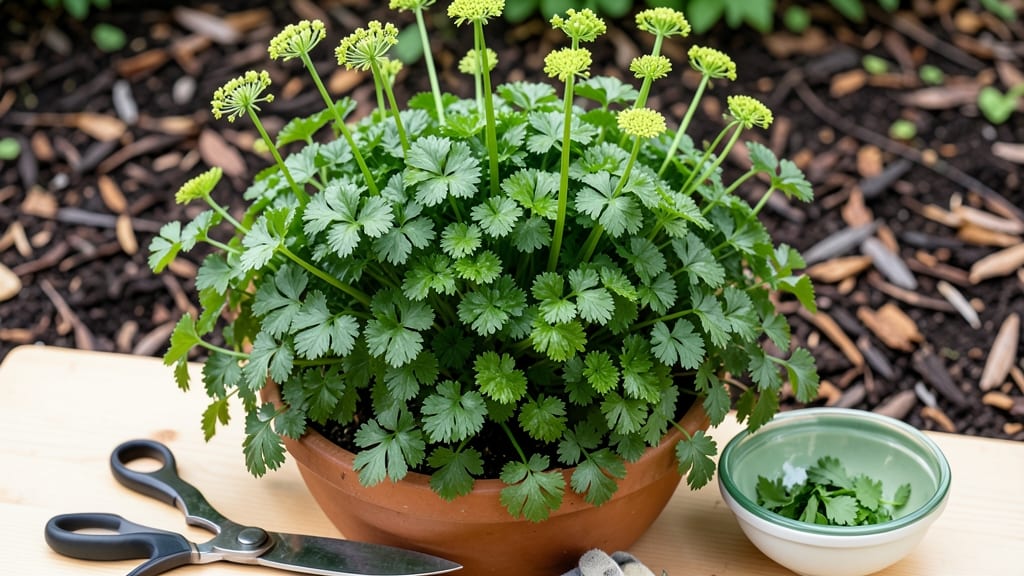
To harvest parsley so it keeps growing, focus on the right cuts and timing—this simple technique keeps your 🌿 herb thriving for months.
Struggling to keep your parsley thriving after harvesting? You’re not alone—many gardeners unknowingly stifle regrowth by cutting too close to the base or harvesting at the wrong time. The secret lies in a few precise steps that preserve the plant’s energy while maximizing your yield.
Whether you’re growing flat-leaf or curly parsley in USDA Zone 6a, the key is harvesting outer leaves or stems before flowering begins. This method ensures the plant stays lush and productive, giving you a steady supply from May through October—or even year-round in mild climates.
In this guide, I’ll walk you through the exact cutting techniques, ideal harvest windows, and post-harvest care tips to keep your parsley flourishing. You’ll learn how to avoid common mistakes that lead to bolting or stunted growth, so you can enjoy fresh parsley without sacrificing the plant’s health.
The correct way to harvest parsley for continuous regrowth
Harvesting parsley the right way ensures your plant stays healthy and keeps producing fresh leaves all season long. Parsley is a biennial herb, meaning it can grow for two years if cared for properly.
The key to continuous regrowth lies in selective cutting—never harvesting more than one-third of the plant at once and always targeting the outer leaves first.
When you cut parsley incorrectly—like snipping the center stems or taking too many leaves at once—the plant struggles to recover. This often leads to bolting (premature flowering) or even death. By following the trim-and-regrow technique, you’ll maintain a lush, flavorful parsley patch that yields fresh leaves for months.
Let’s dive into the exact methods and timing to keep your parsley thriving.
Step-by-Step Guide to Harvesting Parsley for Regrowth
- 1 Wait until the plant is mature: Harvest parsley only when leaves are 3-6 inches tall and vibrant green. Immature leaves won’t regrow well, and over-harvesting young plants stunts growth.
- 2 Use sharp, clean pruning shears: Dull scissors crush stems, slowing regrowth. Sterilize tools with rubbing alcohol between uses to prevent disease. Avoid fingers for precise cuts.
- 3 Cut outer leaves at a 45-degree angle: Never trim more than one-third of the plant at once. Focus on larger, mature leaves near the base to encourage bushier growth. Leave the central leaves intact—they power regrowth.
- 4 Avoid cutting into the main stem: The thick central stem is the plant’s lifeline. Snipping it weakens the parsley and can cause it to bolt (flower prematurely). Only remove leaves growing from the sides.
- 5 Harvest in the morning: Leaves are most hydrated and flavorful after a night’s rest. Cutting in the morning also reduces stress on the plant, helping it recover faster.
- 6 Water immediately after harvesting: Give the plant 1 cup of water (250ml) to replenish moisture lost during cutting. Water at the base, not the leaves, to prevent fungal diseases.
- 7 Fertilize lightly after harvest: Use a balanced fertilizer (5-10-10) to replenish nutrients. Apply 1 tbsp per plant in the soil, 2-3 inches away from the base. Avoid over-fertilizing—it can burn roots.
- 8 Monitor for pests and diseases: Harvest stress can attract aphids or parsley worms. Spray with neem oil or introduce ladybugs if pests appear. Remove any yellow or wilted leaves promptly.
If you’re growing flat-leaf parsley (Italian parsley), it regrows faster than curly parsley because its leaves are less dense. However, both varieties benefit from the same harvesting principles. The key difference? Flat-leaf parsley can handle slightly more aggressive trimming since its stems are sturdier.
After harvesting, rinse the leaves under cool water and pat them dry with a paper towel. Store them in a sealed container in the fridge for up to 5-7 days, or dry them for long-term use. But remember: fresh parsley from your garden always tastes better than store-bought! 🌿
For year-round harvests, consider growing parsley in containers. This way, you can move pots indoors during winter or bring them into a sunny greenhouse. Just ensure they get at least 4-6 hours of light daily to prevent leggy growth.
With the right technique, your parsley can keep producing for two full years! ✂️
Pro tip: If your parsley starts to bolt (send up a tall flower stalk), it’s a sign
Parsley regrowth timeline: when and how often to harvest
Understanding your parsley's regrowth cycle is key to maintaining a year-round supply of fresh leaves. Most gardeners mistakenly think parsley needs to be harvested monthly, but the truth is far more precise.
With the right timing, you can harvest parsley every 4-6 weeks without stunting growth. The secret lies in balancing harvest frequency with the plant's natural recovery rate.
Flat-leaf and curly parsley have slightly different growth patterns due to their genetic structures. Flat-leaf varieties tend to regrow 20-30% faster than curly types because their leaves are less dense. This means you can harvest flat-leaf parsley more aggressively while giving curly parsley a bit more recovery time between cuts.
Seasonal adjustments are also crucial—spring and fall harvests should be more frequent than summer cuts when heat stress slows regrowth.
Here’s how to optimize your harvest schedule based on parsley type and season:
| Factor | Flat-Leaf Parsley | Curly Parsley |
|---|---|---|
| Harvest Frequency | Every 3-4 weeks | Every 4-6 weeks |
| Best Season | Spring/Fall | Spring/Fall |
| Summer Adjustment | Reduce to every 6-8 weeks | Reduce to every 8-10 weeks |
| Over-Harvest Signs | Stunted growth, yellowing leaves | Woody stems, sparse foliage |
| Recovery Time | 3-4 weeks | 4-6 weeks |
To maintain healthy regrowth, always harvest parsley in the morning when leaves are fully hydrated. Use clean, sharp scissors to snip outer leaves or stems just above a leaf node—never cut into the woody base.
This technique encourages new growth from the center while preserving the plant's energy reserves. After harvesting, water deeply to replenish moisture lost during cutting, especially in hot climates where evaporation is rapid.
Watch for over-harvesting signs like yellowing leaves, sparse foliage, or stems that feel woody to the touch. If you notice these, scale back to harvesting every 8-10 weeks and focus on soil health. Add a balanced organic fertilizer (like 5-10-10) to revive growth.
In mild climates, parsley can produce year-round, but in colder zones, reduce harvesting to once every 6-8 weeks during winter months to prevent stress.
Pro tip: Mark your harvest dates on a calendar to avoid overdoing it. I keep a small garden journal where I note each harvest date and observe how quickly my parsley recovers.
This helps me adjust my schedule based on seasonal changes and plant response—ensuring a steady supply of fresh parsley all year long. 🌿