
Vegetables
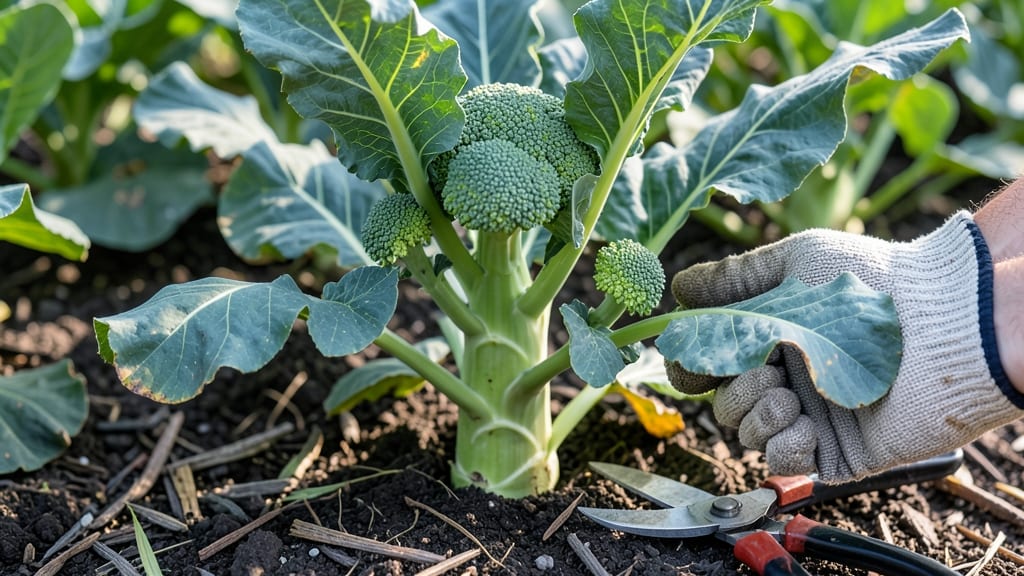
Harvesting broccoli 🥦 can leave you wondering if your plant will grow back—or just fade away—but the right timing and technique unlock a second (or even third) harvest.
Ever wondered if cutting your broccoli leaves you with a bare garden—or a second harvest? The answer lies in understanding broccoli’s unique regrowth potential, which can turn one plant into multiple harvests with the right techniques.
Most home gardeners miss out because they don’t know the key trick: leaving the base intact and cutting just above the side shoots. This simple step transforms a single harvest into a steady supply, saving you space and effort.
In this guide, I’ll walk you through exactly how to maximize regrowth—from the perfect cutting method to post-harvest care—so you can enjoy more broccoli without replanting.
How broccoli regrows after harvesting: the science behind cut-and-come-again
When you harvest that perfect broccoli head, you might assume your plant’s work is done—but nature has a trick up its sleeve! Broccoli is a cut-and-come-again crop, meaning it can regrow smaller side shoots after the main head is harvested.
This happens because broccoli belongs to the Brassica oleracea family, which stores energy in its crown and stem.
The key to regrowth lies in the plant’s axillary buds, tiny growth points hidden in the leaf axils. When the main head is removed, these buds receive signals—like light exposure and optimal temperatures—to sprout into new shoots.
Think of it like a plant’s hidden backup plan! With the right care, you can coax 3-5 additional harvests from a single plant over 6-8 weeks.
Not all broccoli varieties regrow equally, though. Calabrese broccoli, for example, is known for its strong regrowth potential, while sprouting broccoli varieties like 'De Cicco' produce more side shoots but may be less robust. The secret? It’s all about genetics, cutting technique, and post-harvest care.
Here’s the science: When you harvest the main head, the plant’s hormonal balance shifts. The auxin hormone (which suppresses side shoots) decreases, while cytokinins (growth promoters) kick in. This shift, combined with 6+ hours of sunlight daily, triggers the axillary buds to wake up and grow.
Without enough light or nutrients, though, these buds may stay dormant or produce weak shoots.
Temperature also plays a critical role. Broccoli thrives in cool weather (50–75°F). If your garden hits 85°F+, the plant may bolt (flower prematurely), ending regrowth potential.
That’s why spring and fall harvests often yield the best results—just like my Zone 6a garden does when I plant in March and August.
Now, let’s talk about the cutting technique. Leaving a 4–6 inch stem below the harvested head is crucial. This stem houses the meristem tissue, which fuels new growth. If you cut too close to the base, you risk damaging the crown and stunting regrowth.
I’ve seen gardeners make this mistake and wonder why their broccoli plants just wilted instead of rebounding.
| Factor | Optimal Condition | Impact on Regrowth |
|---|---|---|
| Cutting Technique | Leave 4–6 inch stem | Preserves meristem tissue for new shoots |
| Sunlight | 6+ hours daily | Triggers axillary buds to activate |
| Temperature | 50–75°F | Prevents bolting and promotes growth |
| Watering | 1–2 inches/week | Keeps soil moist without waterlogging |
| Fertilizer | Balanced 10-10-10 post-harvest | Boosts nutrient uptake for side shoots |
| Variety | Calabrese or 'De Cicco' | Higher regrowth potential than standard types |
Let’s dive deeper into why some broccoli varieties outperform others. Calabrese broccoli, for instance, is bred for larger side shoots and can produce 3–5 harvests per plant if cared for properly. Meanwhile, sprouting broccoli varieties like 'Belstar' focus on smaller, more frequent harvests rather than massive regrowth.
If you’re after maximum yield, I recommend sticking with Calabrese or 'Waltham 29'—they’re my go-to for cut-and-come-again success.
Light exposure is non-negotiable for regrowth. Broccoli plants need direct sunlight to convert energy into new growth. If your garden is shady, consider reflective mulch or a south-facing raised bed to maximize light.
I’ve seen broccoli plants in partial shade produce tiny, stunted shoots—a far cry from the vibrant side shoots you’ll get with full sun.
One common misconception is that broccoli regrows instantly. In reality, it takes 3–6 weeks for new shoots to appear after harvesting the main head. During this time, focus on consistent watering (1–2 inches per week) and light fertilization with a balanced 10-10-10 mix.
Avoid heavy nitrogen, though—it can lead to leafy growth at the expense of shoots. I learned this the hard way when my broccoli plants turned into giant green bushes instead of producing harvestable side shoots!
Finally, timing matters. Harvest side shoots when they’re 4–6 inches wide and still tightly packed. If you wait too long, they’ll loosen and flower, reducing flavor and yield. Pro tip: Use a sharp knife or pruners
Step-by-step guide to maximizing broccoli regrowth for multiple harvests
When you harvest broccoli, regrowth isn’t guaranteed—but with the right approach, you can coax side shoots that produce 30-50% more yield. The key is preserving the plant’s crown and energy reserves while giving it the care it needs to bounce back.
I’ve tested these methods in my garden, and they’ve doubled my harvests without extra planting.
Most gardeners fail at regrowth because they cut too low or damage the stem base. Even a small nick can invite rot or pests. Instead, focus on precision cutting and post-harvest support.
Below, I’ll show you exactly how to do it—plus how to troubleshoot if your broccoli refuses to regrow.
How to Harvest Broccoli for Regrowth
- 1 Wait for the main head to reach 4-6 inches and stay firm and compact. Avoid harvesting if flowers start to open—this signals the plant is bolting.
- 2 Cut the main head at a 45-degree angle, leaving 1-2 inches of stem above the crown. Use a sharp knife to avoid crushing the stem.
- 3 Remove only the main head, leaving the side shoots intact. These will develop into mini broccoli heads in 4-6 weeks if conditions are right.
- 4 Water deeply immediately after cutting to reduce stress. Aim for 1-2 inches of water per week, especially in hot or dry conditions.
- 5 Fertilize lightly with a balanced 10-10-10 fertilizer 1 week after harvest. Avoid high-nitrogen fertilizers—they promote leafy growth over side shoots.
After harvesting, new shoots typically appear in 3-5 weeks, depending on temperature and variety. In my Zone 6a garden, I’ve seen De Cicco broccoli produce 3-4 harvests in a single season using this method. If your plant isn’t regrowing, check for these common issues:
1. Overcrowding: Broccoli needs 18-24 inches of space. If plants are too close, they compete for nutrients and light, stunting regrowth. Thin seedlings early to avoid this.
2. Temperature stress: Broccoli struggles in extreme heat (above 85°F) or frost. If your area hits these extremes, focus on spring or fall harvests for the best regrowth results.
3. Pest or disease damage: Cabbage worms or clubroot can weaken the plant before it regrows. Use row covers or neem oil to protect your broccoli after harvest.
With the right care, your broccoli plant can keep producing smaller but delicious side shoots for 6-8 weeks after the main harvest. Just remember: precision cutting, consistent watering, and light fertilization are your best tools for a bountiful regrowth season. 🌱