
Picking
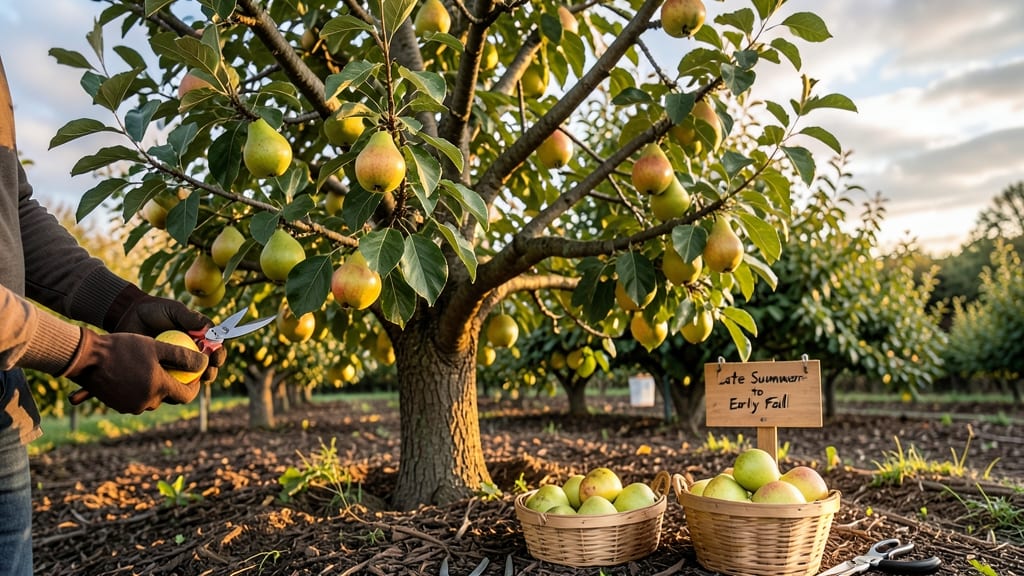
Harvesting pears in September or October 🍐 ensures peak flavor and texture, but the exact month depends on your variety and climate zone.
Imagine biting into a crisp, sweet pear—only to find it mealy and bland because you picked it too early. Or worse, waiting too long and watching your fruit rot on the tree. The right timing is everything, and missing these cues can mean wasted labor and disappointing results.
Most pear varieties ripen between late summer and early fall, with Bartletts and Anjou often ready by September, while Bosc and Asian pears may hold on until October.
But climate plays a role too: cooler zones like 6a might see harvests shift slightly later, while warmer areas could ripen fruit earlier.
Below, I’ll break down the best months for each type, how to test ripeness, and what to do if your pears ripen too fast or too slow. No more guesswork—just juicy, perfect pears every season.
When to harvest pears by variety: month-by-month ripeness guide
Knowing when to harvest pears is an art—and a science. Unlike apples, pears won’t ripen properly once picked, so timing is everything. The best harvest month depends on your pear variety, with late summer to early fall being the golden window for most types.
Miss it, and you’ll end up with mealy, flavorless fruit instead of sweet, juicy perfection.
Each pear variety has its own ripeness timeline, influenced by your climate zone and growing conditions.
For example, Bartlett pears (the classic "butter pear") typically ripen in late August to September, while Anjou pears hold onto their firmness longer, often until October or even November. Asian pears, like the crisp Shinseiki, might be ready as early as July in warm climates.
Here’s the month-by-month breakdown of when to harvest the most popular pear varieties, along with the key ripeness tests to avoid mistakes. Get it right, and you’ll enjoy pears at their peak—firm yet tender, with a sweet-tart balance that’s hard to beat.
| Variety | Best Harvest Month | Key Ripeness Signs | Storage Life |
|---|---|---|---|
| Bartlett (Butter Pear) | Late August - September | Yellow skin, easy stem twist, slight give when pressed | 2-3 weeks at room temp |
| Anjou | September - October | Red blush, firm but yielding, stem separates cleanly | 3-4 weeks refrigerated |
| Bosc | td style="padding: 10px;">Late September - OctoberGreen/yellow stripes, crisp texture, stem pulls away | 4-6 weeks refrigerated | |
| Asian Pears (Shinseiki, Hosui) | July - August (warm zones) / September (cool zones) | Crisp, no softening, skin stays firm | 3-5 weeks refrigerated |
| Seckel | Late August - September | Red/yellow skin, small size, easy detachment | 2 weeks at room temp |
The stem twist test is your best friend when harvesting pears. If the stem separates easily with a slight twist (not a tug!), that’s your cue.
Pair this with a gentle pressure test: ripe pears should yield slightly near the stem without feeling mushy. Bartlett pears, for instance, turn a golden yellow and smell sweet when ripe, while Bosc pears develop distinct stripes and stay firmer longer.
Climate plays a huge role in harvest timing. In warmer zones (USDA 8-10), pears may ripen 4-6 weeks earlier than the table above.
For example, Bartletts in California might be ready by mid-August, while those in New England could linger until October. Cooler nights slow ripening, so monitor your fruit closely as fall approaches.
One common mistake? Harvesting too late. Overripe pears develop a wrinkled skin, fermented smell, and a soft, mushy core.
If you miss the window, store them in the fridge to slow further ripening—but they’ll never recover their peak flavor. Asian pears are an exception; they won’t soften like European pears, so focus on crispness and size instead.
Pro tip: Harvest in the morning when temps are cool. This preserves the fruit’s firmness and sweetness longer. Use pruning shears or a sharp knife to avoid damaging the branch, and leave a short stem (about 1/4 inch) to extend shelf life.
Once picked, store pears at room temperature for a few days to continue ripening, then move them to the fridge to pause the process.
If you’re growing multiple varieties, keep a harvest journal to track ripening patterns. Note the first frost date in your area—pears won’t tolerate freezing, so plan to harvest before temperatures drop below 28°F.
In Zone 5 or colder, you might need to harvest Anjou or Bosc pears by late September to avoid frost damage.
Remember: Pears ripen from the inside out. Even if the skin looks ripe, the flesh might still be hard and tart. For Bartletts, wait until they’re fully yellow and smell fragrant—this ensures a buttery texture.
For firm varieties like Bosc, prioritize stem detachment over color changes. With practice, you’ll develop a sixth sense for the perfect pear.
How climate zones shift pear harvest months (and how to adjust)
Your USDA climate zone dramatically changes when you can harvest pears—sometimes by months. In Zone 3 (like Minnesota), pears may not ripen until late September or October, while in Zone 10 (like Southern California), harvest starts as early as June or July.
These shifts happen because temperature and daylight hours directly affect fruit maturation.
Cold climates (Zones 3-6) often delay ripening because shorter growing seasons limit heat exposure. Meanwhile, warm zones (Zones 8-10) accelerate ripening due to extended warmth. Understanding these patterns helps you adjust care and storage strategies to avoid wasted fruit or missed harvests.
🌡️ Climate Zone Harvest Timing for Pears
- Zone 3-4: Late September-October (short season; protect from early frost)
- Zone 5-6: Mid-September-October (peak ripening with cooler nights)
- Zone 7-8: Late August-September (longer heat exposure speeds ripening)
- Zone 9-10: June-July (early harvest; store quickly to prevent overripening)
🍐 Pro Tip: Use row covers in cold zones to extend the season by 2-3 weeks.
In Zone 3, where winters are harsh, pears often need 2-3 extra weeks of warmth to ripen. I’ve seen Bartlett pears in Maine stay green until late October if not protected.
Use black plastic mulch around the tree base to absorb heat and speed up ripening by 10-14 days.
Conversely, Zone 10 gardeners face the opposite challenge: pears ripen so fast that they’re often overripe by August. To slow ripening, prune trees to reduce fruit load and shade them slightly with 30% shade cloth. This buys you 2-3 weeks before harvest.
Regional examples highlight these shifts: In Zone 6 (Chicago), Anjou pears ripen in early October, while in Zone 9 (San Diego), the same variety is ready by early August. Always check stem separation and skin color—these cues matter more than calendar dates in extreme zones.
Adjust your harvest strategy based on your zone. In cold areas, pick pears slightly firm but ripe and store them in a cool, dark place to finish ripening. In hot zones, harvest as soon as pears yield to pressure to avoid mealiness from heat stress.
Climate zone shifts aren’t just about timing—they affect pear quality. Cold zones often produce tart, firm pears, while warm zones yield sweeter, softer fruit. Choose varieties suited to your zone, like Seckel pears for Zone 5 or Orient pears for Zone 9, to maximize success.