
How To
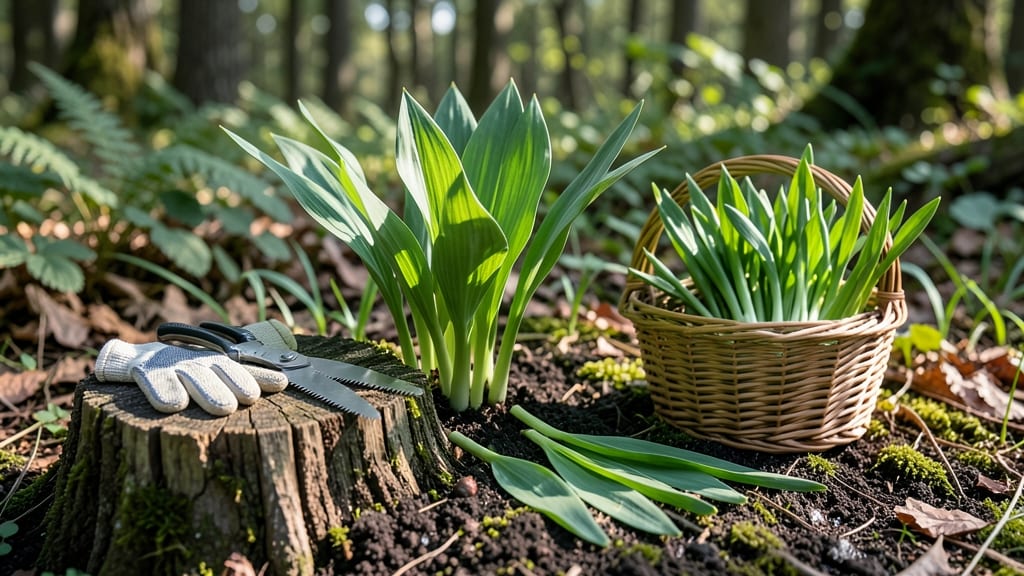
Harvest wild garlic when its leaves reach 6–12 inches and emit a strong garlic scent 🌿—this is your peak flavor window before bitterness sets in.
Picture this: you’re brushing past a patch of wild garlic, and that unmistakable pungent aroma hits you like a wave. That’s not just a smell—it’s your cue that the leaves are packed with flavor and ready for the kitchen.
Timing matters more than you might think. Too early, and the leaves lack potency; too late, and they turn bitter or bolt to seed. In Zone 6a, aim for late April to early May, but watch the plant, not the calendar.
Here’s what you’ll learn: how to spot the perfect harvest moment using simple visual and scent cues, whether to cut leaves or dig bulbs, and how to preserve that fresh garlic punch for months.
How to identify wild garlic’s peak harvest window using smell and color
Wild garlic thrives in early spring, but knowing exactly when to harvest its leaves or bulbs can transform your harvest from mediocre to extraordinary. The key lies in two simple cues: leaf color and aroma intensity.
When crushed, mature leaves should release a powerful garlic scent—this is your green light to harvest. Leaves that are still pale or lack that signature smell? They’re not ready yet.
Timing matters because wild garlic’s flavor peaks when its leaves are fully elongated but before flowering. Once the plant bolts, the leaves become tough and bitter, ruining their delicate flavor.
I’ve learned the hard way—harvesting too late means wasting a season’s worth of potential. Let’s break down the visual and olfactory cues that guarantee a perfect harvest every time.
🌿
| Harvest Stage | Leaf Color | Aroma Test | Bulb Size | Action |
|---|---|---|---|---|
| Early Growth | Pale green | Mild scent | <0.5 inches | Wait |
| Ideal Harvest | Dark green | Strong garlic scent | 1-2 inches | Harvest leaves or dig bulbs |
| Overripe | Yellowing | Weak or none | >2 inches (soft) | Avoid |
| Flowering | Green with stems | Bitter aroma | N/A | Too late |
The dark green color of mature wild garlic leaves is your first visual clue. Look for leaves that are 6-12 inches long and broad, with a glossy finish. These leaves pack the most flavor and nutrients.
I always run my fingers along the edges—if they’re smooth and firm, that’s another sign of readiness. Pair this with the aroma test: crush a leaf between your fingers and inhale deeply. A sharp, pungent garlic smell means it’s time to harvest.
For bulbs, dig carefully when the leaves start yellowing at the base but are still mostly green. The bulb should feel firm and plump, about 1-2 inches wide. If it’s smaller, it needs more time; if it’s soft or shriveled, you’ve missed the window.
I’ve found that bulbs harvested in late April to early May (USDA Zone 6a) offer the best balance of size and flavor.
Regional variations matter! In cooler climates, wild garlic may mature 2-3 weeks later than in warmer areas. Pay attention to your local frost dates—harvesting before the first frost ensures you catch the plant at peak potency.
In my garden, I mark the calendar for mid-April as the ideal harvest window, but I always double-check the leaves first.
Pro tip: Harvest leaves gradually rather than all at once. Cutting outer leaves first lets the inner ones continue growing, giving you a longer harvest season.
For bulbs, dig up the entire plant, shake off excess soil, and let them dry in a shady, well-ventilated area for a week before storing. This preserves their flavor and prevents spoilage.
Never harvest wild garlic after it bolts (sends up a flower stalk). The leaves become fibrous and lose their signature garlic taste. I’ve seen this happen too many times—always prioritize early harvesting over waiting for "perfect" conditions.
Trust your senses: dark green leaves + strong garlic scent = harvest time.
🌱
Wild garlic harvesting mistakes to avoid (and how to fix them)
Harvesting wild garlic at the wrong time can turn your flavorful bounty into bitter disappointment. I’ve learned the hard way that rushing the harvest or ignoring subtle plant signals leads to wasted effort.
The key is understanding when wild garlic is truly ready—and what happens if you miss those cues.
Many gardeners assume wild garlic is ready when the leaves look lush, but that’s only part of the story. The strongest flavor comes when the plant reaches its peak maturity, which isn’t always obvious.
Even experienced foragers sometimes overlook the bulb development beneath the soil, leading to smaller yields or damaged plants.
Another common mistake is harvesting entire plants instead of selectively cutting leaves. This can stunt regrowth and reduce future harvests. I’ll share how to balance your harvest so your wild garlic patch keeps producing season after season.
⚠️ Critical Harvesting Timing Mistake
Harvesting wild garlic after flowering turns leaves bitter and reduces bulb quality. The ideal window is when leaves reach 6-12 inches but before flower stalks appear. Use the smell test: crush a leaf—if it smells strongly of garlic, it’s ready!
One of the biggest pitfalls is digging up bulbs too early. Wild garlic bulbs need time to mature, and harvesting them prematurely means you’ll get smaller, less flavorful harvests. I recommend waiting until the leaves start yellowing naturally—this signals the bulb is fully developed beneath the soil.
If you’ve accidentally harvested at the wrong time, don’t panic. You can still salvage the situation by pruning back damaged leaves and giving the plant time to recover. In my experience, wild garlic is resilient—with proper care, it often bounces back stronger than before.
For long-term success, mark your harvest dates and observe your plants closely. I keep a small garden journal to track when my wild garlic reaches peak flavor each year. This helps me predict the best harvest window and avoid common mistakes like over-harvesting or missing regrowth signals.
Remember, the goal is to enjoy wild garlic’s bold flavor while keeping your patch thriving. With these tips, you’ll harvest like a pro—and your garden will thank you with abundant, flavorful yields for years to come. 🌿