
How To
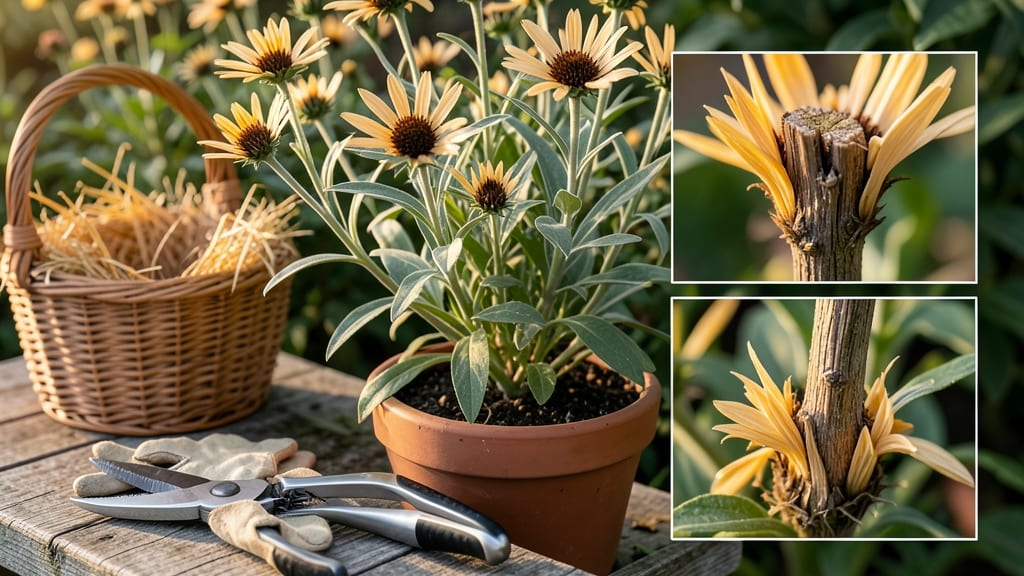
Harvesting strawflower at the right time ensures those vibrant 🌼 blooms last longer and stay fresh—so timing matters more than you might think.
Picture this: you’ve spent months nurturing your strawflowers, only to cut them too early and watch the petals droop before they even make it into a bouquet. That’s the difference between a perfect harvest and a wasted effort.
Most gardeners in Zone 6a should aim for late summer to early fall, when buds shift from green to pale yellow or cream. But there’s more to it than just the calendar—you’ll also want to check for dry, papery petals and a firm stem.
In this guide, I’ll walk you through the bud color shift, the stem snap test, and the best time of day to harvest for maximum longevity. No guesswork, just proven tips to keep your strawflowers looking their best.
How to identify the perfect harvest time using bud color changes
Strawflowers (or Xerochrysum bracteatum) are prized for their long-lasting blooms and drought-resistant nature, but harvesting them at the right time ensures they stay vibrant in arrangements.
The most reliable indicator? Watching their buds transform from green to pale yellow or cream. This color shift signals maturity and peak harvest readiness.
Unlike many flowers that rely on scent or size, strawflowers use color as their primary cue. When buds shift from green to cream or pale yellow, they’re typically 75-90 days into their growth cycle.
This timing can vary slightly by USDA zone—cooler regions may see delays of 1-2 weeks compared to warmer climates.
Here’s how to spot the perfect harvest window using bud color as your guide:
| Stage | Bud Color | Petal Condition | Harvest Readiness | Climate Notes |
|---|---|---|---|---|
| Early Bud | Bright green | Closed, moist | Not ready | Cooler zones: buds stay green longer |
| Transition | Green-yellow | Partially open | Nearly ready | Hot climates: transition speeds up |
| Optimal Harvest | Pale yellow/cream | Fully open, dry | Perfect time | Dry seasons: buds dry faster |
| Overripe | Brownish edges | Dry, brittle | Too late | Humid areas: overripening occurs faster |
In USDA Zones 7-10, strawflowers typically reach harvest time between late July and October, aligning with their pale yellow bud phase. However, gardeners in Zones 3-6 should monitor buds closely—cooler temperatures can delay color changes by 10-14 days.
If buds remain green past 90 days of growth, consider providing additional sunlight or adjusting watering to encourage maturation.
Pay attention to petal texture alongside color. At harvest time, petals should feel dry and papery, not moist or sticky. This dryness indicates the flower’s natural preservation mechanism, making them ideal for dried arrangements.
If petals still feel damp, wait 2-3 more days—harvesting too early can lead to premature wilting.
Regional climate plays a surprising role in bud color shifts. In arid climates like Arizona or California, buds may turn pale yellow 2 weeks earlier due to intense sunlight accelerating maturation.
Conversely, in humid regions like Florida or the Pacific Northwest, buds might linger in the green-yellow transition phase longer because excess moisture slows drying.
For container-grown strawflowers, bud color changes occur slightly faster than in-ground plants. This is because pots dry out quicker, prompting the plant to mature buds more rapidly.
If growing in containers, check buds every 4-5 days starting at 60 days after planting to catch the optimal pale yellow stage.
One common mistake is harvesting strawflowers based solely on flower size rather than color. While larger blooms might look appealing, they may not be fully dry inside—leading to shorter vase life.
Always prioritize the pale yellow/cream bud color over size for the best results in both fresh and dried arrangements.
Pro tip: Use a small magnifying glass to inspect bud centers. At harvest time, the disk-like center should appear golden-brown and crisp. This subtle detail confirms the flower is ready for cutting and will maintain its shape beautifully in bouquets.
The stem snap test: a reliable method to check strawflower readiness
One of the most foolproof ways to determine if your strawflowers are ready for harvest is the stem snap test. This simple method helps you gauge stem maturity without damaging the plant—perfect for gardeners who want to avoid guesswork.
The test works by checking how easily the stem breaks when bent or snapped, which reveals its internal strength and readiness for cutting.
To perform the test, gently grasp a mature stem near the base of the flower head. Apply light pressure and bend it slightly—if it snaps cleanly with a crisp, dry sound, your strawflower is ready.
A woody stem that resists bending but breaks cleanly is ideal, while a soft or rubbery stem means it needs more time to mature. This method works best in the morning when stems are firmest.
⚠️ WARNING: Avoid Over-Testing! Testing too many stems can weaken the plant. Limit your checks to 2-3 stems per plant and always use the same stem for future tests. Overhandling can stress the plant, reducing its ability to produce more blooms.
If you notice yellowing leaves or drooping after testing, your plant may be struggling—give it extra water and monitor closely.
What you’re listening for is a sharp, papery snap—like the sound of dry leaves crumbling. A dull or wet-sounding snap indicates the stem isn’t mature enough, while a hollow or brittle snap could mean the flower is past its prime.
Pro tip: Compare multiple stems to get an accurate reading, as some flowers may mature faster than others on the same plant.
Timing matters too—perform the test in the early morning when stems are hydrated but still firm. Avoid testing after heavy rain or late in the day, as stems may be softer and give misleading results.
If you’re harvesting for drying, aim for stems that snap with a crisp, dry sound—this ensures they’ll hold their shape during the drying process.
Common mistakes include testing stems too aggressively or ignoring other visual cues like bud color and petal texture. Always combine the snap test with a quick inspection of the flower’s appearance.
For example, if the petals are dry and papery but the stem snaps with a dull sound, wait another day or two before harvesting.
Once you’ve confirmed readiness with the snap test, harvest your strawflowers by cutting stems at a 45-degree angle about 6 inches below the flower head. This encourages water uptake and extends vase life.
Store harvested flowers in a cool, dry place away from direct sunlight until you’re ready to use them in arrangements or dry them for long-term preservation.