
How To
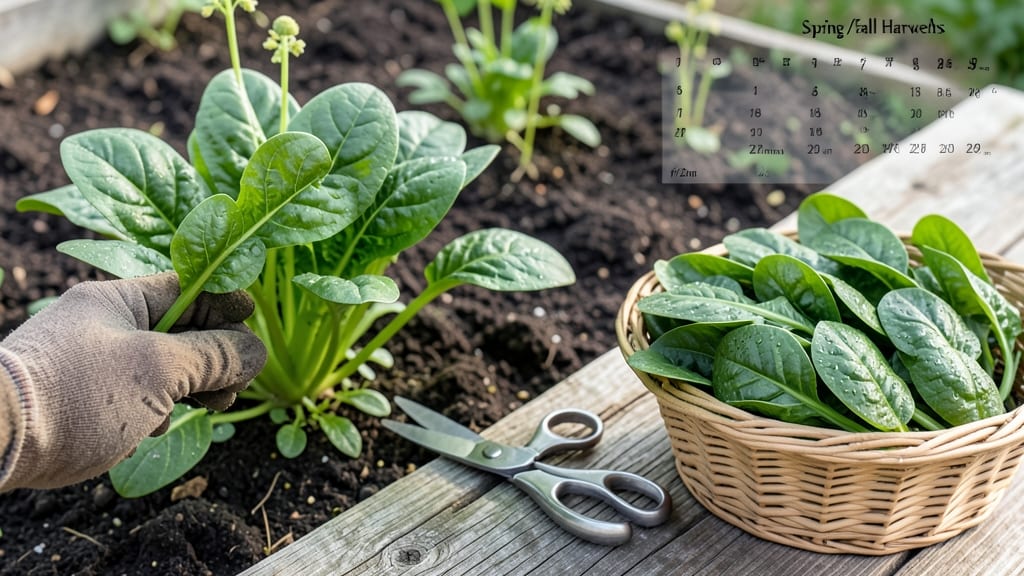
You can harvest spinach up to four times in a single season using the right cut-and-come-again method, turning a small patch into a leafy green powerhouse 🍃.
Picture this: you plant your spinach in early spring, and by mid-summer, you’re still pulling fresh leaves—no replanting needed. The secret? Knowing when to cut, how much to leave behind, and which varieties play nice with repeated harvests.
Most gardeners stop at two harvests because they’re afraid of over-cutting or don’t realize how fast spinach regrows with proper care. But with the right timing—like harvesting outer leaves first and avoiding the center—you can stretch that season well beyond what you’d expect.
In this guide, I’ll break down the exact steps to maximize harvests, including which spinach types last longest and how to spot when your plants are ready for another round. Let’s turn those 4+ harvests into reality.
Spinach harvest frequency: how many cuts before replanting?
If you’ve ever wondered how many times you can harvest spinach before replanting, the answer depends on your harvest technique, seasonal timing, and variety. With the cut-and-come-again method, most spinach varieties yield 3-5 harvests per season—sometimes even more—if you follow the right spacing and care.
The key is balancing leaf removal with plant recovery, especially in spring and fall when conditions are ideal.
The first harvest typically occurs 4-6 weeks after planting, but subsequent cuts depend on how aggressively you prune and how well your spinach recovers. In cool spring weather, you might get 4-5 harvests over 8-10 weeks, while fall plantings often produce 3-4 harvests before frost.
Overharvesting—cutting too close to the base or taking too many leaves at once—can stress the plant and reduce future yields.
For spring plantings, aim for 3-4 harvests spaced 10-14 days apart. Start by harvesting outer leaves when they reach 4-6 inches long, leaving the inner leaves to regrow.
If you cut too aggressively—removing more than one-third of the plant at once—the spinach may bolt (send up a flower stalk) or stop producing. Always leave at least 2-3 inches of growth at the base to ensure recovery.
In fall, spinach grows slower as temperatures drop, so extend the gap between cuts to 2-3 weeks.
You’ll likely get 2-3 harvests before the first frost, but avoid cutting if nights dip below 30°F, as cold stress weakens the plant. Mulch with straw or leaves to protect roots and water consistently to prevent drought stress, which also triggers bolting.
Watch for signs of stress like yellowing leaves, stunted growth, or premature bolting. These are red flags that you’re overharvesting or the plant is struggling with heat, drought, or poor soil.
If you see flower stalks, it’s too late to save that plant, but healthy leaves will regrow if you reduce cutting frequency and improve growing conditions.
Pro tip: If your spinach starts to bolt (send up a tall flower stalk), harvest the remaining leaves immediately and pull the plant to prevent seed spread. Bolting makes leaves bitter and tough, but you can still use them in cooked dishes if needed. For next season, choose slow-bolting varieties like ‘Bloomsdale Long Standing’ or ‘Tyee’, which are bred to resist heat and last longer in the garden.
To maximize harvests, pair your spinach with companion plants like lettuce, kale, or radishes, which thrive in similar conditions and reduce stress on your garden space. Rotate crops annually to prevent soil depletion, and amend beds with compost before replanting.
With the right approach, you can stretch spinach harvests well into late fall or even early spring in mild climates.
Remember, patience is key. Rushing harvests leads to smaller yields and exhausted plants. If you space cuts properly, provide consistent care, and choose the right varieties, you’ll enjoy fresh spinach for months—with minimal replanting needed. 🌱
Step-by-step cut-and-come-again method for maximum harvests
The cut-and-come-again method is your ticket to 4+ spinach harvests per season, but timing and technique make all the difference. Start harvesting when leaves reach 4-6 inches—this usually happens 6-8 weeks after planting.
Cutting too early stresses the plant, while waiting too long risks bolting (flowering). Focus on the outer leaves first to leave the center intact for regrowth.
Never remove more than 1/3 of the plant in a single harvest, or you’ll stunt future growth. Use sharp scissors or pruners to make clean cuts just above a leaf node (the small bump where leaves attach).
This encourages new shoots to sprout from the base, giving you a second chance at a full harvest in just 3-4 weeks.
Your Spinach Harvest Timeline
- 1 First Harvest: Wait 6-8 weeks after planting. Cut outer leaves (never the center) when they’re 4-6 inches long.
- 2 Post-Harvest Care: Water deeply and apply high-nitrogen fertilizer (like 5-10-10) to revive growth. Keep soil moist but not soggy.
- 3 Second Harvest: Ready in 3-4 weeks. Repeat step 1, but leave at least 2-3 inner leaves uncut to sustain the plant.
- 4 Third/Fourth Harvests: Possible in cool seasons (spring/fall). Stop if leaves turn bitter or bolt (sends up a flower stalk).
After each harvest, monitor your spinach for signs of stress, like yellowing leaves or slow regrowth. If this happens, reduce water slightly and add a balanced fertilizer (like 10-10-10) to restore vigor. In hot climates, spinach may bolt prematurely—plant heat-tolerant varieties like 'Tyee' or provide afternoon shade.
Avoid these common mistakes: cutting the center of the plant, harvesting when leaves are small or pale, or skipping post-harvest care. With the right approach, your spinach can keep producing tender leaves for months, reducing the need for replanting and saving you time and seeds.
Pro tip: Keep a harvest journal to track when you cut and how quickly regrowth occurs. This helps you fine-tune your method for future seasons. With practice, you’ll master the art of cut-and-come-again and enjoy a steady supply of fresh spinach all season long!