
Flowers
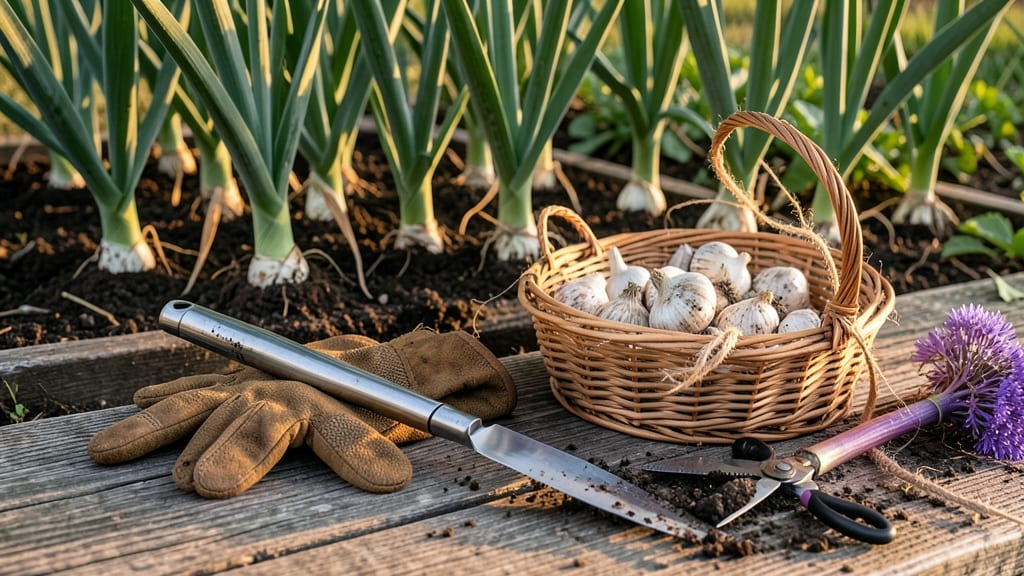
Do you harvest garlic before or after it flowers? The answer determines whether you end up with large, flavorful bulbs or small, pungent ones—so timing is everything for a bountiful 🧄 harvest.
If you wait too long, those plump cloves you’ve nurtured all season can shrink by 30-50%, leaving you with small, pungent bulbs that store poorly. The key? Watching for the right signs—like when the lower leaves turn brown or the flower stalk (scape) emerges—before deciding whether to pull.
Hardneck varieties, common in Zone 6a, need special attention: their scapes should be removed to redirect energy to the bulb, but the harvest window is tight. Softneck types, meanwhile, can stretch it slightly—but even they won’t forgive a late pull. Regional climates add another layer, too.
Below, I’ll walk you through the exact steps to monitor your garlic, the science behind pre- vs. post-flowering harvests, and how to cure your bulbs for long-term storage—so you never miss the prime window again.
Garlic harvesting timeline: when to pull before flowering for largest bulbs
Harvesting garlic at the right time is everything—especially when it comes to flowering. For hardneck varieties, the 3-4 week window after scapes emerge is your golden opportunity.
This is when bulbs are still growing but won’t sacrifice size for seed production. Softneck garlic, however, plays by slightly different rules since it rarely flowers in temperate climates. Timing here hinges on leaf browning rather than flower stalks.
Most gardeners make the mistake of waiting too long, thinking bigger leaves mean bigger bulbs. But once those flower stalks (scape) appear on hardnecks, your plant’s energy shifts from bulb development to seed production.
That’s when bulbs start shrinking—sometimes by up to 50%. The key? Monitor leaf color and bulb firmness instead of relying on flower cues.
Here’s the science-backed timeline: For hardnecks, harvest 3-4 weeks after scapes emerge (typically late June to early July in most USDA zones). For softnecks, wait until 50-60% of lower leaves turn brown. Both varieties should have firm, dry bulbs when gently squeezed—like a ripe avocado, not a squishy tomato.
Visual cues matter most: Look for crispy lower leaves (not just yellowing) and rounded bulb shapes visible in the soil. If you see flower stalks hardening or leaves curling inward, you’ve missed the window. The earlier you harvest in this range, the larger your bulbs will be—but don’t pull too soon, or you’ll end up with small, underdeveloped cloves.
| Garlic Type | Harvest Trigger | Ideal Harvest Window | Bulb Condition |
|---|---|---|---|
| Hardneck | 3-4 weeks after scapes emerge | Late June - Early July (Zones 4-8) | Firm, dry, paper skins visible |
| Softneck | 50-60% lower leaves brown | July - Early August (Zones 5-10) | Firm, dry, cloves separated |
| Both Types | Never harvest after flower stalks harden | N/A | Bulbs shrink by 30-50% |
Regional climates throw a wrench into this timeline. In hotter zones (9-11), hardneck garlic may flower earlier—sometimes as soon as May. Here, harvest 2-3 weeks after scapes appear to avoid heat stress.
Conversely, in cooler zones (3-5), flowering can be delayed until July, giving you a longer window. Always adjust for local heat waves or unseasonable rains, which can speed up or slow down maturity.
Pro tip: Remove flower scapes as soon as they appear on hardnecks. This redirects energy to bulb growth, often increasing yield by 10-15%. But don’t confuse scape removal with harvest timing—it’s a separate step to maximize size, not a substitute for watching leaves and bulbs.
Some gardeners even eat the scapes (they taste like mild onions!) to avoid waste.
Testing bulb readiness is simple: Gently dig up one test bulb from the outer edges of your patch. If the paper skins are dry and papery and cloves are firm but not hard, it’s time to harvest.
If bulbs feel soft or mushy, wait another week. This test saves you from harvesting too early and ending up with underdeveloped cloves that won’t store well.
One common myth is that larger leaves mean larger bulbs. Not true! By harvest time, leaf size doesn’t correlate with bulb size. Focus instead on bulb firmness and leaf browning. If your garlic has green leaves but firm bulbs, harvest immediately.
If leaves are brown but bulbs feel soft, wait another 3-5 days. This balance is your ticket to plump, flavorful cloves.
For organic seed garlic growers, the rules bend slightly. Here, you might harvest after flowering to ensure viable seed production, but bulbs will be smaller. Most home gardeners, though, should prioritize harvesting before flowering for the best balance of size, flavor, and storage life.
The 3-4 week window after scapes emerge is your best bet for maximum bulb potential.
Remember:
What happens if you harvest garlic after flowering? (And when it’s actually okay)
Harvesting garlic after flowering is like skipping the prime of a plant’s life—it’s not ideal, but there are exceptions. Normally, bulbs shrink by 30-50% when left too long, losing both size and flavor.
The plant redirects energy from bulb growth to seed production after flowering, leaving you with smaller, less flavorful cloves. But your climate and goals can change this rule.
For most gardeners, harvesting after flowering means sacrificing bulb size and storage quality. The bulbs may also sprout prematurely or develop shallow roots, making them harder to cure properly.
In hot, dry climates, this effect is even worse—plants bolt faster, and bulbs mature unevenly. But if you’re growing garlic for seed production or organic certification, post-flowering harvests can still work.
⚠️ WARNING: Harvesting garlic after flowering usually means smaller, lower-quality bulbs—but these 3 exceptions can work:
- 🌱 Organic seed garlic: Let bulbs mature fully for seed production.
- ☀️ Hot/dry climates: Plants bolt faster; harvest when lower leaves brown.
- 🧄 Late-season softnecks: May tolerate delayed harvests without drastic size loss.
If you’re not growing garlic for seed, harvest before flowering—specifically when 50-60% of leaves turn brown. This is the sweet spot for hardneck varieties, where bulbs are largest and flavor is strongest.
For softneck garlic, wait until lower leaves crisp but avoid letting flower stalks form entirely.
Climate plays a huge role. In cool, moist regions, garlic may take longer to flower, giving you a wider harvest window. But in hot, dry areas, plants bolt quickly, and bulbs mature faster—sometimes even before flowering fully.
Pay attention to leaf color and bulb firmness over strict timing rules.
For organic seed garlic, harvesting after flowering is intentional. Let bulbs mature completely, even if they’re smaller, to ensure viable seeds. Remove flower stalks (scapes) early to redirect energy to bulb growth, but leave some to flower if seed production is the goal.
This is the only time post-flowering harvests make sense for most gardeners.
If you miss the ideal window, don’t panic. Dig up a few bulbs to check size and quality—you might still get usable garlic, just not premium. For next year, mark your calendar 6-8 weeks before your first frost to harvest at the perfect time.
The key is balance: harvest early for size, but don’t rush if your climate demands it.