
Vegetables
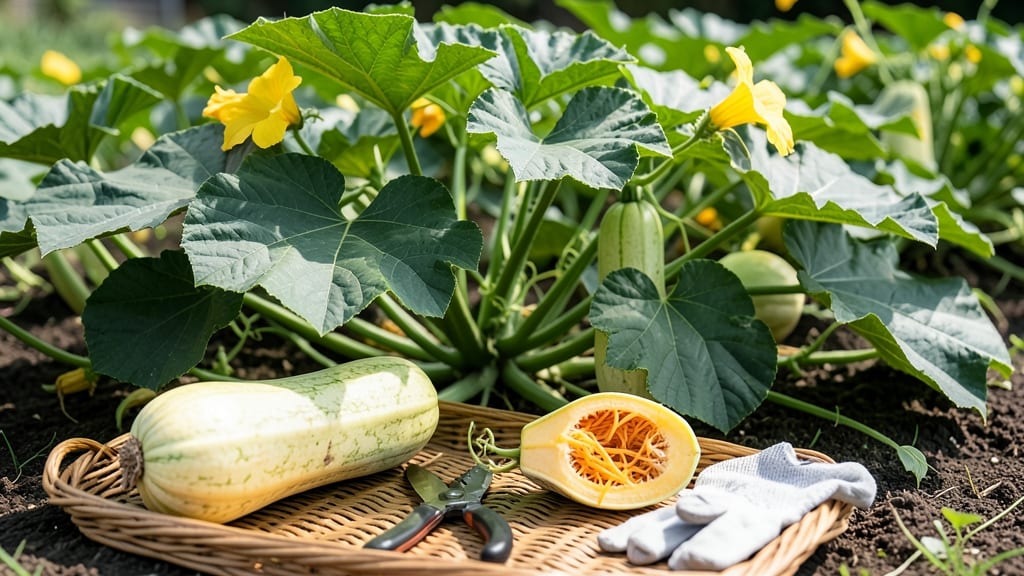
Harvest spaghetti squash when the seeds turn from white to yellow-orange 🎃 — that color shift signals peak sweetness and string-free strands.
You might be tempted to wait until the squash looks extra plump, but overripe spaghetti squash turns tough and bitter. The key is catching it at the right moment when the skin is firm to the touch but still yields slightly under gentle pressure.
This guide breaks down the exact visual cues to watch for, from skin color and stem changes to the best time of day to harvest for maximum freshness. No more guessing whether your squash is ready or past its prime.
By the end, you’ll know how to test for ripeness, avoid common mistakes, and even store your harvest to keep it fresh for weeks. Let’s get started.
How to identify spaghetti squash ripeness by seed color & skin texture
Harvesting spaghetti squash at the right time transforms your garden bounty into a tender, string-free delicacy instead of a tough, bitter disappointment. The key lies in two science-backed visual cues: seed color and skin texture.
These indicators reveal when the squash has reached its peak flavor and texture, ensuring your efforts pay off in the kitchen.
Most gardeners focus on the rind color change, but the seed cavity color is equally critical. While the outside shifts from green to dull yellow, the inside transforms from white seeds to a bright yellow-orange hue.
This color shift signals the starch-to-sugar conversion, which directly impacts sweetness and texture. Ignoring these cues often leads to harvesting too early or too late.
Here’s the golden rule: A ripe spaghetti squash should have dry, papery seeds that crumble easily between your fingers. The skin should also feel firm but slightly yielding when gently squeezed—like a ripe avocado.
These tactile clues, combined with visual checks, create a foolproof system for perfect harvest timing every season.
| Ripeness Indicator | Visual Cues | What It Means | Action Step |
|---|---|---|---|
| Seed Color | Bright yellow-orange | Starch converted to sugar | Harvest within 2-3 days |
| Seed Color | White or pale yellow | Underripe, starchy texture | Wait 5-7 more days |
| Skin Texture | Firm but slightly yielding | Optimal moisture balance | Harvest immediately |
| Skin Texture | Hard and unyielding | Overripe, woody texture | Harvest and use promptly |
| Stem Condition | Dry and slightly shriveled | Nutrients fully translocated | Harvest before vines die |
The seed color shift is your first clue—cut open a squash when the seeds turn bright yellow-orange. This change happens when the plant’s photosynthesis slows as it prepares for dormancy, redirecting energy to the fruit.
The seeds become dry and crumbly, which is your signal that the starches have converted to sugars, making the squash sweeter and more tender.
Next, perform the skin toughness test: press your thumbnail into the squash’s skin. If it leaves a slight dent that doesn’t spring back immediately, the squash is ready.
A completely firm skin means it’s underripe, while a soft, mushy feel indicates overripeness. This tactile check is especially useful when seed color isn’t visible due to thick rinds.
Timing matters too—harvest in the morning after dew has dried to avoid skin damage. The cool night temperatures help stabilize sugars, while daytime warmth can accelerate overripening. I’ve learned this the hard way: harvesting in the afternoon once left me with woody, stringy strands that were nearly inedible.
Always prioritize morning harvests for peak texture and flavor.
Don’t overlook the stem condition either. A ripe spaghetti squash will have a dry, papery stem that snaps easily when bent. If the stem is still green and pliable, the squash needs 5-7 more days to mature.
This final check ensures you’re not harvesting prematurely, which can leave the flesh underdeveloped and bitter.
For gardeners in USDA Zone 6a, aim for harvest between late September and early October. The first frost (around October 31) signals the end of the growing season, so plan to harvest before temperatures drop below 40°F (4°C).
Cold exposure turns the flesh grainy and unappetizing, so monitor weather forecasts closely.
Pro tip: If you’re unsure, harvest one squash early and check the seed color. This test harvest lets you adjust your timing for the remaining squashes. I’ve saved entire crops this way—especially helpful when dealing with unpredictable summer weather or late-season heatwaves that can accelerate ripening.
Remember, the perfect spaghetti squash combines all three cues: yellow-orange seeds, firm-yielding skin, and a dry stem. Mastering these signs turns harvesting from a guess into a precision task, guaranteeing restaurant-quality results every time you cook it up. Happy harvesting!
Best practices for harvesting spaghetti squash without overripe risks
Timing your spaghetti squash harvest is an art—cut too early, and you’ll get underdeveloped, seedy flesh. Wait too long, and the strands turn tough and bitter. The ideal harvest window is when the squash reaches 100-120 days after planting, but visual cues matter more than days alone.
I’ve learned that morning harvests yield the freshest squash, as daytime heat can accelerate overripening.
Start by checking the skin color. A ripe spaghetti squash shifts from bright green to a dull yellow, almost like a pale banana peel. This change signals the seeds inside are maturing, but the flesh is still tender.
If you see orange or deep yellow hues, it’s likely overripe—time to harvest before the skin hardens completely.
Next, examine the stem. A ready-to-harvest squash has a dry, papery stem that snaps easily when bent. If the stem is still green and flexible, give it another week. A wilted or brown stem means you’ve missed the window, and the squash may be past its prime.
⚠️ Harvest Too Late = Bitter Squash
Overripe spaghetti squash develops hard, fibrous strands and a bitter taste due to excess starch conversion. The skin also becomes too tough to cut, making prep a struggle. If you see cracks or soft spots on the rind, harvest immediately—these are signs of spoilage.
Pro Tip: Use a thumb pressure test—press gently on the skin. It should yield slightly but not dent deeply. If it feels like a hard ball, it’s past its peak.
Morning is the best time to harvest because cooler temperatures slow down sugar conversion, preserving sweetness. Avoid harvesting after a hot afternoon, as the squash’s moisture content drops faster, leading to tougher flesh.
Use a sharp pruning shears or knife to cut the stem, leaving a 1-2 inch stem attachment to protect the squash during curing.
Common mistakes include harvesting based on size alone. A large squash isn’t always ripe—focus on color and stem dryness instead. I’ve seen gardeners wait until the squash looks "perfectly round," only to find the inside is woody and inedible. Always prioritize visual and tactile cues over guesswork.
After harvesting, let the squash cure in the sun for 3-5 hours to harden the skin, which extends shelf life. Store in a cool, dry place (50-55°F) for up to 2 months.
If stored improperly, spaghetti squash spoils quickly—watch for mold or soft spots, which signal it’s time to cook it up.