
Picking
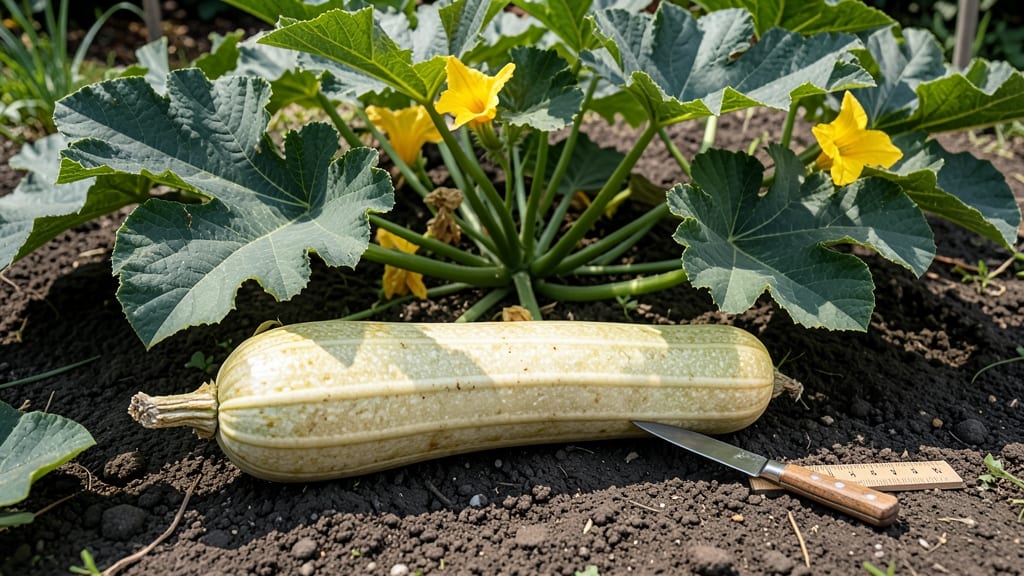
Harvesting spaghetti squash from the garden at the right time transforms it from a tough, unyielding gourd into tender, pasta-like strands 🎃 — and the key lies in knowing when to pull it from the vine.
Picture this: you’ve waited months for your spaghetti squash to mature, only to slice into it and find grainy, uncooked "strings" instead of the silky texture you dreamed of. That’s the difference between a perfect harvest and a frustrating one.
Most gardeners wait 80 to 120 days after planting, but timing isn’t just about days—it’s about skin color, stem dryness, and even how heavy the fruit feels in your hand.
In USDA Zone 6a, that means late summer to early fall, but regional weather can shift your window by weeks.
Below, I’ll walk you through the three foolproof visual cues to know your spaghetti squash is ready, plus how to avoid the most common mistakes that ruin texture. No more guessing—just perfect, restaurant-worthy strands every time.
3 Visual cues to know when spaghetti squash is ready for harvest
Harvesting your spaghetti squash at the perfect moment transforms tough, inedible pulp into delicate, pasta-like strands. The key lies in three visual cues that reveal when your squash has reached peak ripeness.
Ignoring these signals often leads to overripe, mushy flesh or underripe, fibrous results—neither of which you want when planning your next meal.
Unlike other squash varieties, spaghetti squash doesn’t soften dramatically when ripe. Instead, subtle changes in skin color, stem condition, and seed cavity development signal the ideal harvest window.
Mastering these cues ensures you enjoy that perfect al dente texture every time. Let’s break down exactly what to look for in your garden.
- 1 Skin Color Changes: Look for a shift from bright green to a dull yellow hue. The rind should appear matte—not shiny—indicating full maturity. Press your thumbnail into the skin: if it doesn’t dent easily, the squash is ready.
- 2 Stem Dries Out: The vine-connected stem should begin withering and turning brown. A dry, papery stem means the squash has finished absorbing nutrients. If the stem is still green and firm, wait 3–5 more days for full ripeness.
- 3 Seed Cavity Hardens: Gently tap the squash—it should sound hollow when ripe. Cutting into the blossom end (if needed) reveals a fully developed seed cavity with firm, white strings. Avoid harvesting if the cavity feels soft or the strings are still attached to the center core.
Timing your harvest based on these visual cues ensures your spaghetti squash develops the signature tender strands that separate it from other winter squash. Overlooking even one of these signs can lead to a squash that’s either too fibrous or too watery—neither of which pairs well with your favorite recipes.
For gardeners in warmer climates (USDA Zones 8–10), these cues typically appear between late August and early September. In cooler regions (Zones 3–6), aim for mid-to-late September when daytime temperatures drop below 80°F. The key is consistency: check your squash every 2–3 days once the skin starts yellowing.
Pro tip: Harvest on a dry morning after dew has evaporated. Cut the squash from the vine using a sharp pruning shear, leaving a 1-inch stem attached. This prevents bruising and extends storage life by up to 2 months in a cool, dark place.
A properly stored squash maintains its texture until you’re ready to roast or bake it.
Remember, spaghetti squash won’t ripen further after harvest, so don’t wait too long. Once the skin turns orange or the stem detaches easily, the squash is past its prime. The perfect harvest window is narrow—nail it, and you’ll reward yourself with restaurant-quality strands every time.
If you’re growing multiple varieties, note that some (like 'Golden Spaghetti') may ripen slightly earlier than others (like 'Honey Spaghetti'). Always prioritize the visual cues over calendar dates—your squash will thank you with that ideal texture.
Now that you’ve mastered these three signs, your spaghetti squash harvests will be foolproof. The next time you’re debating whether to pick that squash, just ask yourself: Is the skin dull yellow? Is the stem dry?
Does it sound hollow when tapped? If the answer is yes to all three, it’s time to head to the kitchen—your pasta night just got a whole lot better. 🎃
How to test spaghetti squash ripeness before cutting (without damaging the plant)
Testing spaghetti squash ripeness without harming the plant is all about gentle pressure tests and visual cues that reveal maturity without slicing into the fruit 🎃. The last thing you want is to damage the vine while checking doneness, especially when your harvest window is tight.
These methods let you confirm readiness in seconds—no knife required.
Start with the thumb pressure test, the most reliable non-destructive method. Press your thumbnail into the squash’s skin near the stem. If it doesn’t dent easily and feels firm, the squash is likely ripe.
A soft spot means it needs more time on the vine. This test works best in the late afternoon when the skin is warmest.
Next, try the tap test for a quick acoustic check. Give the squash a firm tap with your knuckles—ripe squash produces a deep, hollow sound, similar to a ripe melon.
An underripe squash will sound dull or flat. This method is especially useful when you’re harvesting multiple squash and need to move fast.
Don’t overlook the vine inspection, which reveals hidden clues about maturity. Look for dry, brown stems near the base of the fruit—this signals the plant is redirecting nutrients to the squash.
Also, check for shriveled leaves on the vine, a sign the plant is nearing the end of its cycle.
🌱 When to Harvest Spaghetti Squash from Garden
For immediate use, harvest when the skin turns dull yellow and the thumb test shows firmness. For long-term storage, wait until the stem dries completely—this extends shelf life by 2-3 weeks.
In USDA Zone 6a, aim for late September to early October. Warmer climates (Zones 8+) can harvest as early as mid-August, while cooler zones (Zones 5) may need to wait until October.
Timing matters for storage too. If you’re planning to cure and store your squash, harvest when the stem is fully dried and brittle. This hardens the skin, preventing rot during storage.
For squash you’ll use within 1-2 weeks, harvest slightly earlier when the skin is just turning yellow—this ensures peak tenderness.
One final trick: lift the squash gently from the vine. A ripe spaghetti squash feels surprisingly heavy for its size, thanks to the dense flesh inside.
If it feels light, it’s not ready yet. This weight check is especially useful when squash are hidden under foliage or in crowded garden beds.
Master these tests, and you’ll never again cut into a squash that’s too tough or too mushy. The secret to perfect spaghetti squash lies in patience and these simple, damage-free checks—no guesswork required! 🌿