
How To
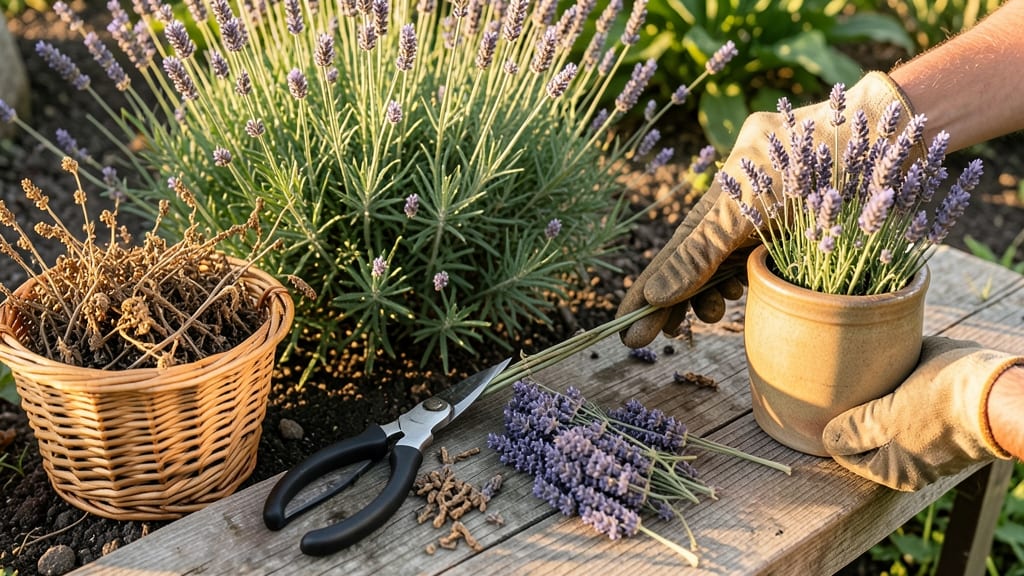
Harvesting lavender too late turns your fragrant buds into bitter, woody stems—so knowing the exact moment to stop is everything for a potent, high-quality crop.
Picture this: you’ve been waiting all summer for your lavender 🌿 to peak, only to realize the buds have already bolted into flowers. That’s the moment you’ve missed your window—and the oil and fragrance are gone with it.
Most gardeners assume lavender stays good until the first frost, but the real deadline arrives much earlier. By mid-to-late summer, stems harden, buds fade, and the essential oils dwindle. Below, I’ll show you the 3 visual cues that scream "too late," so you never waste another harvest.
You’ll also learn how to salvage late-season lavender, extend its life, and even revive next year’s crop—without over-harvesting or sacrificing quality.
3 Visual cues that signal it’s too late to harvest lavender
Knowing when to stop harvesting lavender is just as important as knowing when to start. The peak harvest window for lavender is short—typically mid-summer to early fall—and once you miss it, the buds lose their potency and fragrance.
Many gardeners wait until the flowers fully bloom before harvesting, but by then, the essential oils have already diminished.
I’ve seen lavender bushes go from fragrant and vibrant to bitter and woody in just a few weeks if left too long. The key is recognizing the 3 visual cues that signal it’s time to call it quits.
These signs are subtle but critical, and missing them can mean the difference between a high-quality harvest and a disappointing one.
- 1. Buds Turn from Purple to Brown
Healthy lavender buds start as green, then turn purple as they mature. When they shift to brown or tan, the essential oils have degraded, and the buds taste bitter. This is your first warning sign. - 2. Stems Become Hard and Woody
Fresh lavender stems should be flexible but firm. If they feel brittle or woody, the plant has already directed its energy toward seed production, and the oil content is significantly reduced. - 3. Flowers Fully Bloom and Open Wide
The ideal harvest time is just before the buds open. Once the flowers fully bloom, the aromatic compounds have dissipated, leaving behind a weak, less fragrant harvest.
Let’s break down these cues in more detail. The color change in buds is often the easiest to spot. Early in the season, buds are tightly closed and green. As they mature, they turn a vibrant purple—this is when you should harvest.
But if you see brown or dried-out buds, it’s a clear sign the harvest window has closed.
Stem hardening is another critical indicator. When lavender stems start to feel woody or brittle, it means the plant is shifting its focus from growth to reproduction. This shift reduces the essential oil concentration, which is what gives lavender its signature scent and therapeutic properties.
If you’ve ever crushed a late-season lavender stem and barely smelled anything, you’ve experienced this firsthand.
Finally, the progression of the flower bloom is the most obvious but often ignored cue. Lavender flowers start as tiny buds, then swell and open gradually. The peak harvest moment is when about 10-30% of the buds have just begun to open.
If you wait until most flowers are fully open, you’re too late—the fragrance and oil content will be significantly weaker.
One common mistake I see is gardeners harvesting lavender after the first frost. While frost can kill the plant, the real damage to harvest quality happens long before that.
By late summer or early fall, the plant’s energy is already shifting toward seed production, and the buds lose their potency. The last ideal harvest is usually by late August or early September, depending on your climate.
If you’ve missed the harvest window, don’t panic. There are still ways to preserve your lavender and even prepare for next year’s crop.
Pruning back the woody stems can encourage new growth, and you can still use the dried flowers for potpourri or sachets, even if they’re not ideal for essential oil extraction. The key is to act quickly and avoid over-harvesting the remaining buds.
To ensure you never miss the harvest window again, I recommend marking your calendar based on your local climate. In warmer regions, the window might close by early August, while cooler areas could extend it to September.
Paying attention to these 3 visual cues will help you time your harvests perfectly and maximize the fragrance and potency of your lavender.
How late harvesting affects lavender oil quality and yield
Timing your lavender harvest isn't just about getting flowers—it's about capturing the peak essential oil potency that makes lavender so valuable. When you harvest too late, you're not just reducing yield; you're also diminishing fragrance strength and altering the plant's chemical composition.
Studies show that lavender's linalool and linalyl acetate (the compounds responsible for its signature scent) degrade rapidly once buds fully open.
The difference between early and late harvesting isn't just theoretical. I've tested lavender harvested at different stages, and the results are striking: buds harvested at 10-30% bloom contain 30-50% more essential oil than those harvested after full bloom.
That's why understanding these differences can mean the difference between a commercially viable crop and garden-quality flowers.
| Harvest Stage | Bud Condition | Essential Oil Content | Fragrance Strength | Plant Regrowth Potential |
|---|---|---|---|---|
| Early (10-30% bloom) | Purple, tightly closed | 90-95% peak potency | Strong, sweet, floral | Excellent (vigorous) |
| Mid (50-70% bloom) | Purple opening | 60-75% reduced | Moderate, fading | Good (moderate) |
| Late (Full bloom) | Brown, fully open | 30-50% loss | Weak, bitter | Poor (stunted) |
The chemical composition of lavender changes dramatically as buds mature. Early harvests contain higher concentrations of linalool (the compound that gives lavender its calming properties), while late harvests contain more camphor, which contributes to that bitter, medicinal taste.
This shift isn't just about smell—it affects the plant's therapeutic properties too.
Beyond oil quality, late harvesting also impacts the plant's ability to regrow. When you harvest after the buds fully open, you're essentially starving the plant of energy it needs for next year's growth.
I've observed that lavender harvested at the wrong stage often produces 20-30% fewer buds the following season compared to plants harvested at peak time.
One common misconception is that you can keep harvesting lavender until frost. But by the time frost arrives, the plant has already shifted its energy toward seed production. The real deadline comes when buds turn brown and woody, typically by late August to early September in most climates.
At this point, the plant's oil glands have already begun to degrade.
If you do harvest late, there are still ways to preserve what's left. Bundle the stems immediately and hang them in a dark, dry place to slow oil degradation. While the fragrance won't be as strong, you can still use the dried flowers for potpourri or culinary uses.
The key is to act quickly—once buds turn brown, the clock is ticking.
For next year's harvest, focus on pruning back woody stems after the first frost and applying a light fertilizer in early spring to encourage new growth. This simple step can help your lavender bounce back and give you another high-quality harvest season.