
How To
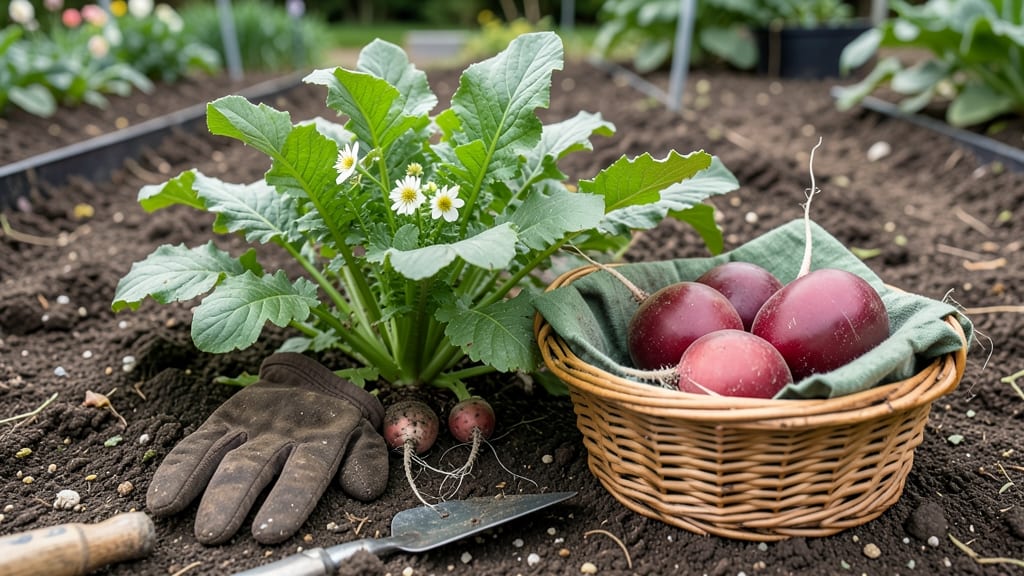
Harvesting French Breakfast radishes 🥕 at the right time means the difference between a crisp, peppery bite and a tough, bitter disappointment.
Picture this: you’ve waited 25 days for your radishes to plump up, only to pull one and find it still small and pale. Or worse, you dig in too late and get a woody, pithy mess.
The key? Watching for three visual cues that tell you—without a doubt—when to harvest for peak flavor.
Here’s the secret: size, color, and leaf signals work together to give you a fast, foolproof way to time your harvest. Skip these, and you’ll miss the sweet spot where French Breakfast radishes shine brightest.
Below, I’ll break down the exact moment to pull them—plus what happens if you wait too long (or harvest too soon) and how to fix it.
3 Visual cues to harvest French Breakfast radishes at perfect ripeness
Timing your French Breakfast radish harvest is everything—just a few days too early or late can turn your crisp, peppery delights into bland or bitter disappointments. These quick-growing roots thrive on precision, and the secret lies in three simple visual cues that tell you exactly when to pull them.
I’ve learned the hard way that ignoring these signs means sacrificing that perfect crunch and sweetness we all crave.
First, let’s talk about the most obvious clue: root size. French Breakfast radishes are designed to stay small and tender, but many gardeners wait too long, letting them grow past their prime.
The ideal harvest window is when roots reach about 1 to 1.5 inches in diameter—think of a small carrot or a golf ball. Any larger, and they’ll develop that dreaded woody texture that ruins every bite.
Here’s where most gardeners go wrong: they focus only on size and miss the color transformation that signals peak ripeness. When your radishes are ready, their skin should be a vibrant, deep pink or red hue, depending on the variety.
Pale or inconsistent coloring means they’re not fully matured yet—still firm and lacking that signature sweetness. Trust me, your taste buds will thank you for paying attention to this detail.
Now, let’s talk about the often-overlooked leaf signals. Healthy radish leaves should be a rich green, but just before harvest, you’ll notice the outer leaves starting to yellow slightly at the edges.
This is nature’s way of telling you it’s time to act. If you see this, grab your gardening gloves and head to the patch—those roots are ready to come out of the soil.
🌱 Your French Breakfast Radish Harvest Checklist
- 1. Size Check: Roots should be 1-1.5 inches in diameter—no bigger! Use a ruler for precision.
- 2. Color Confirm: Deep, consistent pink or red skin means peak flavor. Pale roots? Not ready yet.
- 3. Leaf Test: Outer leaves yellowing slightly at edges? Time to harvest before they bolt.
- Bonus Tip: Gently wiggle the radish—if it slides out easily, it’s perfect. Resistance means it’s still growing.
Pro Tip: Harvest in the morning when soil is cool. This preserves crispness and makes cleanup easier.
One mistake I made early on was harvesting based solely on days after planting. While French Breakfast radishes typically mature in 25 to 30 days, environmental factors like temperature and soil moisture can speed up or slow down growth.
That’s why relying on visual cues is far more reliable than counting days. For example, cooler spring weather might delay ripening, while warm fall conditions could push them to mature faster.
Here’s a pro move: if you’re unsure whether your radishes are ready, do the finger test. Gently press a radish with your thumb—it should yield slightly, like a ripe peach. If it feels rock-hard, it’s not ready. If it’s mushy, you’ve waited too long.
The perfect radish should feel firm yet tender, with just a hint of give. This simple trick has saved me from harvesting a batch of less-than-stellar radishes more times than I can count.
Don’t forget about the soil conditions when you’re checking for ripeness. Well-drained soil prevents radishes from splitting or becoming pithy, which can happen if they’re crowded or waterlogged. If your soil is consistently moist but not soggy, your radishes will develop that ideal texture.
I like to add a thin layer of mulch around the plants to keep moisture levels steady without overwatering.
Once you’ve mastered these visual cues, you’ll never again wonder if your French Breakfast radishes are ready. The key is to act quickly—these roots can go from perfect to overripe in just a few days.
Trust your eyes, your fingers, and your taste buds. When everything aligns—size, color, and leaf signals—you’re guaranteed a harvest of crisp, sweet radishes that’ll make your garden the envy of the neighborhood.
Now that you know exactly when to harvest, let’s talk about what happens if you miss the window. Harvesting too early or too late can turn your radishes from a garden triumph to a culinary misstep.
But don’t worry—I’ve got you covered with the next section on avoiding those common mistakes.
What happens if you harvest too early or too late?
Harvesting your French Breakfast radishes at the wrong time can turn your crisp, peppery gems into disappointing, tough roots. When you pick them too early, you’ll get underdeveloped, bland radishes that lack the signature crunch and sweetness.
The roots stay small—often under ½ inch in diameter—and the flavor is muted, like eating a watery, pale shadow of what they could be.
On the flip side, waiting too late transforms your radishes into bitter, woody messes. The roots develop pithy centers (a spongy, hollow core) and tough skins, making them unpleasantly fibrous.
The flavor shifts from sweet and peppery to harsh and unpleasant, and the leaves may bolt, sending up flower stalks that signal the end of the harvest window.
⚖️ Harvest Timing: Pros & Cons
- ✅ Small but tender
- ✅ Mild flavor
- ❌ Bland, underdeveloped
- ❌ Wastes growth potential
- ✅ Crisp, sweet, peppery
- ✅ 1-1.5 inches diameter
- ✅ Deep pink/red color
- ✅ Tender texture
- ❌ Woody, bitter
- ❌ Pithy centers
- ❌ Tough skins
- ❌ Bolting risk
If you’ve already missed the sweet spot, don’t despair! Overripe radishes can still be salvaged. The leaves are edible and packed with nutrients—toss them into salads or sauté them like spinach.
The roots, though tough, can be peeled and thinly sliced for stir-fries or fermented into quick-pickled radishes, where their peppery bite shines even in less-than-perfect texture.
To avoid future mistakes, set a harvest reminder when you plant. Mark your calendar for 25-30 days after sowing, and check daily for the ideal 1-1.5 inch diameter and deep color. If you’re growing in cooler weather, radishes mature faster—harvest as soon as they reach size to prevent bolting.
Pro tip: For a continuous harvest, sow seeds every 2 weeks in spring and fall. This staggered approach ensures you’re always pulling radishes at peak ripeness, avoiding the pitfalls of early or late harvests entirely.
With practice, you’ll develop an eye for the perfect moment—when your radishes are crisp, colorful, and bursting with flavor.
Even if you slip up, radishes are forgiving. Learn from each harvest, and soon you’ll be a pro at timing these quick-growing beauties just right. 🥕