
How To
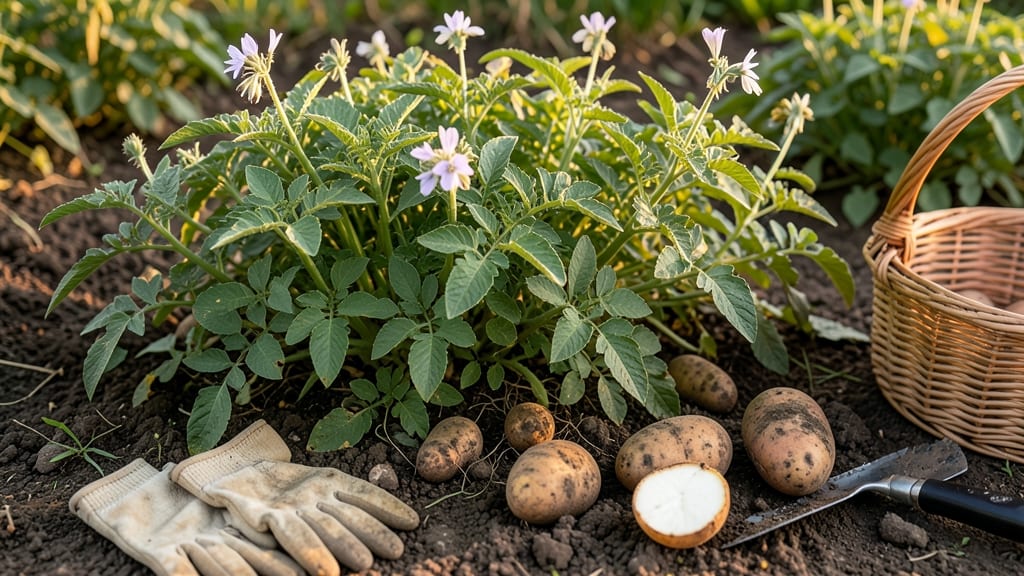
Harvesting potatoes in Ohio at the right time ensures perfect flavor and storage potential, and missing that window can turn your crop into tough, shriveled messes.
Ohio gardeners know timing is everything with potatoes—and getting it wrong means the difference between buttery, ideal spuds and wasted effort. But with our unpredictable climate, when exactly should you dig up those 🥔 for peak results?
Most Ohio varieties are ready between mid-July and early September, but soil temperature and plant signals—like yellowing foliage and firm tubers—are the real clues. Early varieties may be ready sooner, while late ones need patience.
Below, I’ll break down the exact soil temps to watch, how to read your plants, and Ohio-specific tips to maximize your harvest before the first frost.
Ohio potato harvest timeline: soil temperature and plant signals to watch
Ohio’s variable climate makes potato harvesting tricky—too early, and you’ll get small, green tubers; too late, and they’ll sprout or rot. The key lies in soil temperature and plant signals that align with Ohio’s USDA Zone 5–8 growing conditions.
Early varieties (like ‘Yukon Gold’) mature faster, while late varieties (like ‘Russet’) need more time. Let’s break down the science so you don’t miss the window.
Your potatoes are ready when the soil temperature drops to between 55–65°F—this slows tuber growth and signals maturity. In Ohio, this typically happens in late July to early September, but microclimates matter.
Northern Ohio (Zone 5) may need to harvest earlier, while southern Ohio (Zone 8) can wait longer. Always check the forecast for frost warnings, as a hard freeze can damage tubers still in the ground.
Plant signals are your best friends. Watch for foliage yellowing and dieback—this means the plant is redirecting energy to the tubers. For new potatoes, harvest when the stems are still green but the small tubers are golf-ball sized. For storage potatoes, wait until the foliage is completely dead and the skin is thick and papery.
| Harvest Stage | Soil Temp Threshold | Plant Signals | Ohio Timing | Action |
|---|---|---|---|---|
| Early Varieties (New Potatoes) | 60–65°F | Green stems, golf-ball-sized tubers | Late June–July | Harvest in morning, avoid bruising |
| Mid Varieties | 58–62°F | Yellowing foliage, firm tubers | Early–Mid August | Dig when soil is dry to prevent rot |
| Late Varieties (Storage) | 55–60°F | Dead foliage, thick skin | Late August–Early Sept | Cure in cool, dark place for 1–2 weeks |
| Frost Risk | Below 50°F | Foliage blackens, tubers stop growing | Early October (Zone 5) | Harvest immediately to prevent damage |
Ohio’s microclimates can shift harvest timing by 2–3 weeks. For example, southern Ohio’s warmer zones (like Athens) may harvest late varieties in early September, while northern Ohio’s cooler zones (like Cleveland) might need to dig by mid-August.
Pay attention to local weather patterns—if your area had an early spring, your potatoes may mature faster. Always plant a test row of early varieties to gauge your garden’s pace.
Don’t rely solely on calendar dates—check the tubers themselves for readiness. Gently dig up a few potatoes and look for firm, well-shaped tubers with thick skin. If they’re still small and green, wait a week or two.
Over-mature potatoes develop sprouts or shriveled skin, making them unideal for storage. For new potatoes, harvest when they’re 1–2 inches wide—these are perfect for immediate cooking.
If you’re growing multiple varieties, stagger your harvests. Early varieties like ‘Red Pontiac’ can be dug in July, while late varieties like ‘Kennebec’ won’t be ready until September. This extends your harvest window and reduces waste.
Just be sure to label your rows so you don’t mix them up—nothing’s worse than digging up the wrong variety at the wrong time!
After harvesting, let your potatoes cure in the sun for a few hours to harden the skin and improve storage life. Then, store them in a cool, dark, humid place (like a root cellar or basement) at 40–50°F.
Ohio’s humid summers can make curing tricky—avoid storing in damp areas, or use wooden crates with straw to prevent rot. With the right timing, your potatoes will stay fresh for 4–6 months.
Pro tip: If you’re unsure about timing, dig a small test patch a week before your expected harvest date. This lets you check tuber size and maturity without risking your entire crop.
It’s a low-stakes way to learn your garden’s unique rhythm. And remember—Ohio’s weather is unpredictable, so always have a backup plan for sudden rain or frost.
Timing your potato harvest in Ohio isn’t just about calendar dates—it’s about reading your plants and adapting to your local climate. By watching for soil temperature drops, foliage signals, and tuber readiness, you’ll pull perfect potatoes every time. Happy digging
Step-by-step guide to harvesting potatoes in Ohio’s climate zones
Ohio’s diverse climate zones (5a through 7b) mean your potato harvest timing can vary by 2-3 weeks depending on where you garden. In colder northern Ohio (zones 5a-6a), aim for late August to early September, while southern Ohio (zones 6b-7b) gardeners can harvest until mid-October.
The key is watching for foliage yellowing and soil temperature drops below 65°F.
Before digging, gather your tools: a garden fork, gloves, baskets, and a knife for trimming stems. Ohio’s clay-heavy soils in many regions make digging tricky—soaking the soil 24 hours before harvest helps loosen tubers.
Avoid harvesting when soil is waterlogged or frozen, which happens in northern Ohio by late September.
Step-by-Step Potato Harvest Process for Ohio Gardeners
-
Step 1: Choose Your Method
Dig partial harvests for new potatoes (when tubers are 1-inch diameter) or wait for full maturity (3-4 inches). Early varieties (like Yukon Gold) can be harvested in 90 days. -
Step 2: Prepare the Soil
Water the area deeply 24 hours before to soften soil. In dry Ohio summers, this prevents breaking tubers. Avoid watering right before digging—wet soil clumps. -
Step 3: Dig Gently
Use a garden fork to lift plants, not a shovel. Insert the fork 6 inches from the plant and pry upward. Northern Ohio’s rocky soil may require a hand fork for precision. -
Step 4: Handle Tubers Carefully
Brush off loose soil but don’t wash potatoes—this removes protective skin layers. Cure storage potatoes at 60-70°F for 1-2 weeks in a dark, humid space (like a garage). -
Step 5: Troubleshoot Ohio-Specific Issues
- Wet soil? Spread straw mulch and wait 2-3 days.
- Pests (e.g., wireworms)? Inspect tubers for holes and discard damaged ones.
- Green tubers? Avoid exposure to light—they contain solanine, a toxin.
For continuous harvests, plant early, mid-season, and late varieties (e.g., Red Pontiac, Kennebec, Russian Banana). In southern Ohio, you can even squeeze in a fall crop by planting seed potatoes in late June—they’ll mature by first frost.
Just remember: never harvest in frost, as it turns tubers mealy.
After harvesting, remove diseased foliage and compost it away from next year’s garden to prevent blight. Store potatoes in a cool, dark place (like a root cellar) where temperatures stay 40-50°F. Ohio’s humid winters make basements ideal—just avoid refrigeration, which turns starches to sugar.
Pro tip: Label your varieties before storing! Ohio’s climate can cause uneven ripening, and mixing waxy and mealy potatoes ruins dishes. Yukon Golds store for 2-3 months, while Russets last up to 6 months if cured properly.