
Picking
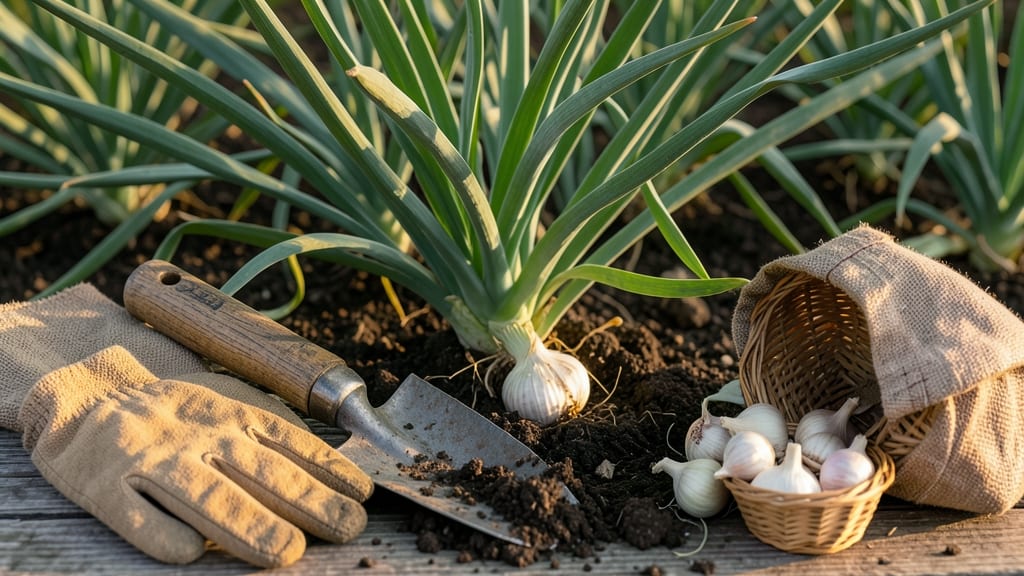
Harvesting garlic in Michigan at the right time ensures you get the best flavor and storage life—and missing the window can leave you with weak, shriveled cloves.
Timing your harvest in Michigan’s 5b-6b climate is all about watching for soil temperatures between 60-70°F and those telltale browned leaves. One wrong move, and you could end up with garlic that’s either too soft or already sprouting.
Most Michigan gardeners know mid-to-late July is the sweet spot, but the real secret lies in the visual cues—like when the lower leaves turn crispy and the bulbs feel firm when dug. Ignore these signs, and you might harvest too early, losing that rich, pungent flavor we all love.
Below, I’ll walk you through the exact soil temperature triggers, how to spot the perfect harvest window, and the step-by-step curing process to keep your garlic fresh all winter long.
Soil temperature triggers for harvesting garlic in Michigan’s climate zones
Michigan’s hardiness zones 5b-6b create unique challenges for garlic growers, where soil temperature becomes the most reliable predictor of harvest timing.
Unlike leaf color alone, which can be misleading in Michigan’s variable climate, soil temperature triggers provide a precise window for harvesting—typically when daytime soil temps reach 60-70°F consistently for 5-7 days. This range signals the bulb has fully matured while preventing rot from lingering moisture.
In Zone 5b (northern Michigan), where frosts linger longer, aim to harvest when soil temps hit 60°F—often in late July to early August. Gardeners in Zone 6b (southern Michigan) can wait until 70°F soil temps arrive, typically mid-August.
The key difference? Warmer southern zones allow bulbs to mature slightly longer without risking frost damage.
A soil thermometer is your best tool for accuracy—insert it 2-3 inches deep (where garlic bulbs form) and check readings daily. Morning is ideal because soil cools overnight, and daytime highs give the most reliable indicator.
Without this tool, you risk harvesting too early (small, pungent bulbs) or too late (soft, mold-prone cloves).
| Zone | Ideal Soil Temp | Harvest Window | Key Risk |
|---|---|---|---|
| 5b (Northern MI) | 60-65°F | Late July - Early August | Early frost |
| 6a (Central MI) | 65-70°F | Early to Mid-August | Bulb softening |
| 6b (Southern MI) | 68-72°F | Mid-August | Over-maturation |
Michigan’s humid summers add another layer of complexity—bulbs left in the ground too long can absorb excess moisture, leading to rot or mold. Once soil temps hit the upper range (70°F+), harvest within 3-5 days to avoid these issues.
Pro tip: In Zone 6b, if temps spike above 75°F, harvest immediately, even if leaves aren’t fully browned.
For fall-planted garlic (the preferred method in Michigan), soil temps drop faster in autumn, so monitor closely in September. If daytime temps fall below 60°F before harvest, bulbs may not fully mature.
In this case, extend your growing season with row covers or a cold frame to maintain warmth until harvest-ready temps return.
Don’t rely solely on air temperature—soil stays cooler than the air, especially in Michigan’s loamy soils. For example, a 90°F summer day might only register 75°F at the soil level.
This discrepancy explains why some gardeners harvest earlier than expected. Always check soil temps 2-3 inches deep for the most accurate reading.
If you miss the soil temp window, you can still harvest—but expect smaller bulbs with less storage life. For example, in Zone 5b, waiting until September (when soil temps drop below 55°F) will yield bulbs that store poorly and may sprout prematurely.
The 60-70°F window is non-negotiable for quality.
To maximize flavor and storage potential, pair soil temp monitoring with leaf color cues. When 50% of leaves turn brown and soil temps hit 60°F+, it’s time to harvest.
This dual-check system ensures you’re ready for the 3-4 week curing process that follows. Skipping either step risks compromising your harvest.
For gardeners in urban Michigan with limited space, container-grown garlic may heat up faster in soil. In this case, harvest 2-3 days earlier than in-ground plants, as pots can reach 70°F+ sooner. Always adjust your timing based on both soil temp and growing conditions.
Remember: Harvesting garlic at the right soil temperature isn’t just about timing—it’s about preserving the flavor, size, and storage life of your bulbs. In Michigan’s climate, where frosts, humidity, and temperature swings are common, precision pays off.
With a soil thermometer and this zone-specific guide, you’ll consistently harvest garlic that’s firm, pungent, and ready for storage. 🌱
Visual and physical signs your Michigan garlic is ready for harvest
Knowing when to harvest garlic in Michigan isn’t just about checking the calendar—it’s about reading your plants. The right harvest time depends on leaf color, bulb firmness, and even the weather forecast.
If you miss these cues, your garlic could end up soft, moldy, or even start sprouting prematurely.
Start by examining your garlic’s lower leaves. When about one-third of them turn brown and crispy, that’s your first sign. The top leaves may still be green, but the lower ones should feel dry to the touch.
This usually happens in mid-to-late July in Michigan’s climate, but don’t rely on dates alone.
Next, check the bulb size by gently digging up one plant. If the bulb is firm and round, with a tight papery skin, it’s ready. A soft or mushy bulb means you’ve waited too long, while a small, loose bulb means it needs more time in the ground.
Pay attention to the stem and soil too. The stem should start drying out and the soil temperature should hover around 60-70°F. If a frost is forecasted within the next week, harvest immediately—even if the leaves aren’t fully browned.
Too early: Bulbs won’t develop fully, leading to weak flavor and poor storage life. Leaves may still be green and upright.
Too late: Bulbs can split, sprout, or rot. Leaves will turn completely brown and flop over.
Pro Tip: Dig up a test bulb to check firmness—if it’s ready, harvest within 1-2 weeks to avoid overripening.
If you’re growing hardneck vs. softneck garlic, timing matters differently. Hardneck varieties (like ‘Music’ or ‘German White’) often mature slightly earlier, while softneck types (like ‘Silverskin’) may need a few extra weeks. Always prioritize visual cues over variety expectations.
Once you’ve confirmed readiness, harvest on a dry, sunny day. Use a fork to gently loosen the soil around the bulb, then pull it up by the stem. Shake off excess dirt and lay the bulbs in a shady, well-ventilated spot for 2-3 hours before curing.
This step is critical for preventing mold in Michigan’s humid summer air.
Don’t wait until the leaves are completely brown and floppy—that’s a sign you’ve missed the window. The goal is to harvest when the bulbs are firm, dry, and papery, ensuring maximum flavor and storage potential. With these signs in mind, you’ll never second-guess your harvest timing again! 🌱