
How To
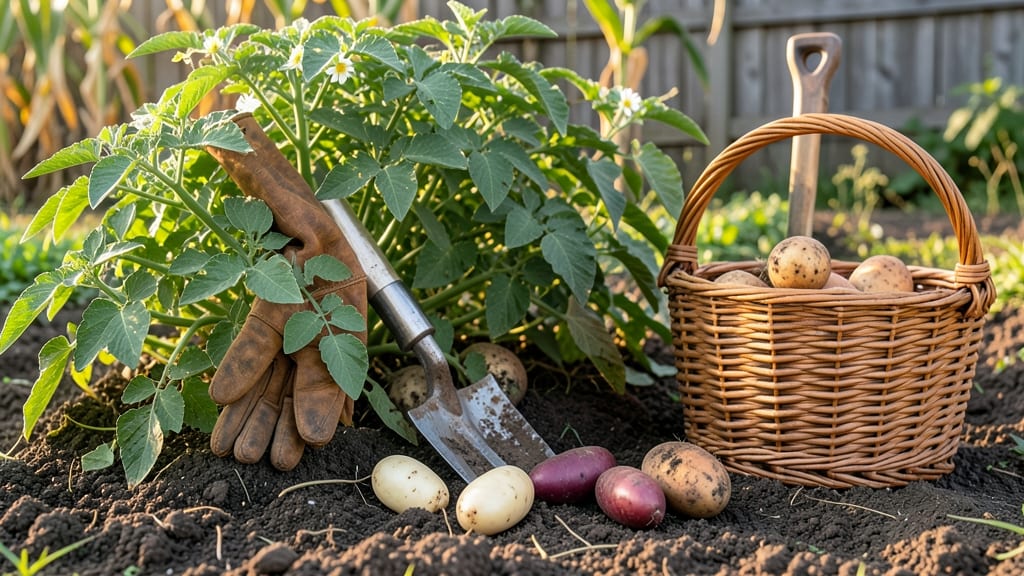
Harvesting potatoes in Michigan at the right time means the difference between flavorful spuds and mealy disappointments.
Picture this: you’ve spent all season nurturing your 🥔 plants, only to pull them too early and end up with tiny, underdeveloped tubers—or worse, leave them too long and risk frost damage. The key? Knowing when the soil and plant signals align for that perfect harvest window.
Michigan’s 5b-6b climate throws a wrench into timing, with frost creeping in as early as mid-October. But with the right cues—like soil temperatures and foliage changes—you can nail the harvest before the first freeze.
Below, I’ll show you exactly when to dig, how to tell if your potatoes are ready, and the soil thermometer trick that saves your crop every year.
From early varieties like Red LaSoda to late-season Yukon Golds, each type has its own sweet spot. You’ll learn the ideal harvest windows, how to store your potatoes for winter, and what to do if an early frost sneaks up on you.
Let’s get those spuds out of the ground at the perfect moment!
How to use a soil thermometer for potato harvest timing in Michigan
A soil thermometer is your secret weapon for nailing the perfect potato harvest in Michigan’s USDA Zones 4-6. Unlike air temperature, soil temps tell you exactly when tubers are ready—whether you’re after new potatoes (small, tender spuds) or mature potatoes (fully developed, storable varieties).
In Michigan’s short growing season, this tool helps you avoid the mealy texture of overripe potatoes or the stunted growth of underripe ones.
Michigan’s frost dates (mid-April to early May for last frost, mid-October to early November for first frost) mean you’ve got roughly 150-180 frost-free days to grow potatoes. A soil thermometer lets you fine-tune your harvest schedule, especially when unpredictable weather throws off your plans.
For example, a sudden heatwave in July can speed up maturity, while a cool June might delay it.
Here’s the golden rule for Michigan gardeners: New potatoes are ready when soil temps hit 45-55°F, while mature potatoes (the ones you’ll store) need 75-85°F soil temperatures.
These ranges align with Michigan’s growing season phases—early summer for new potatoes and late summer for mature ones. But how do you use this info to plan?
🌱 Step-by-Step: Using a Soil Thermometer for Michigan Potatoes
- 1 Choose the right thermometer: Use a digital soil thermometer with a probe depth of 6-8 inches (where most potato tubers form). Avoid air thermometers—they’re 10-15°F off from soil temps.
- 2 Test soil temps daily: Check temps early morning (6-8 AM) when soil is coolest. Record temps for 3-5 consecutive days to account for Michigan’s diurnal swings (e.g., 60°F mornings vs. 85°F afternoons).
- 3 Harvest new potatoes at 45-55°F: When soil temps consistently hit this range (usually late May to early June in Michigan), dig up a few tubers. Look for 2-3 inch diameter spuds with firm skin. These are perfect for immediate use (boiling, roasting).
- 4 Wait for 75-85°F for mature potatoes: Soil temps in this range (typically July to early August) signal tubers are fully developed. Wait until foliage yellows and flowers fade for confirmation. These potatoes store best for 2-4 months.
- 5 Adjust for Michigan’s microclimates: Southern Michigan (Zone 6) may hit 75°F soil temps 2 weeks earlier than Northern Michigan (Zone 4). Use a thermometer in multiple beds if your garden has sunny vs. shady spots.
- 6 Troubleshoot inconsistent temps: If soil temps fluctuate wildly (e.g., 60°F one day, 80°F the next), your potatoes may be stressed. Mulch with straw or grass clippings to stabilize temps. Avoid harvesting during heatwaves—soil temps can exceed 90°F, causing sprout growth (green tubers = toxic).
Michigan’s variable weather can throw off even the most experienced gardener. For example, a cool, wet June might keep soil temps below 55°F for weeks, delaying new potato harvests.
In contrast, a dry July can push soil temps to 85°F by mid-month, meaning mature potatoes are ready earlier than expected. That’s why I always keep a backup thermometer in my shed—just in case the first one malfunctions.
Pro tip: Harvest in the morning when soil is cooler and tubers are firmer. Use a garden fork to loosen soil gently, then dig by hand to avoid bruising.
Shake off excess dirt but don’t wash potatoes until you’re ready to store or cook them—moisture speeds up rot and sprouting. Cure them in a dark, humid spot (60-70°F) for 5-7 days to thicken their skins and improve storage life.
If you’re growing
Choosing the right potato varieties for Michigan’s climate is half the battle. The Upper Peninsula and Lower Michigan have different frost dates, so your harvest timing should match your region. Early varieties like Red LaSoda thrive in cooler areas, while Yukon Gold needs more warmth. Let’s break down the best options and their harvest windows to maximize your yield. Michigan’s USDA Zones 4-6 mean frost can arrive as early as mid-October in the north or linger until late October in the south. That’s why selecting varieties with frost tolerance and knowing their ideal harvest ranges is critical. Below, you’ll find a comparison of top performers and when to dig them for the best flavor and storage life. If you’re growing Kennebec potatoes, aim for harvest between late July and early September. These all-purpose spuds store well but need to be dug before temperatures drop below 40°F. For Red LaSoda, an early variety, harvest in July to avoid frost—these are perfect for quick-cooking meals and salads but don’t store as long. Yukon Gold potatoes are worth the wait, with their creamy texture and rich flavor. Plant them in early May for a late-season harvest in September. Their longer storage life makes them ideal for winter meals, but don’t let frost catch them in the ground. For fingerlings like Purple Viking, harvest between mid-July and early October—their unique shapes and flavors shine in roasted dishes or fresh salads. Regional differences matter: in the Upper Peninsula, where frost arrives earlier, prioritize early-maturing varieties like Red LaSoda or Fingerlings. In Lower Michigan, you can stretch your harvest window with later varieties like Yukon Gold or Kennebec. Always monitor soil temperatures—dig when they drop below 50°F to prevent tuber damage. Pro tip: Hill your potatoes regularly to improve yield and make harvest easier. Use a fork to gently loosen the soil around the base of the plant before pulling tubers. Curing your potatoes in a dark, 55–60°F space for 1–2 weeks after harvest enhances flavor and storage life. With the right variety and timing, you’ll enjoy homegrown potatoes from summer through winter!Michigan-specific potato varieties and their ideal harvest windows