
How To
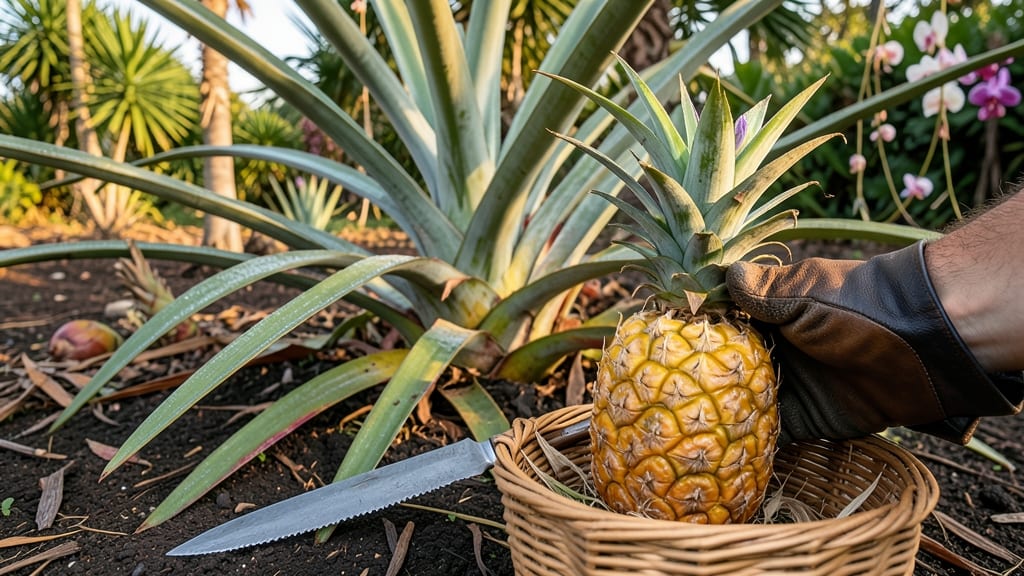
Harvesting a pineapple at the right time means the difference between a juicy, sweet fruit and a tart, underripe disappointment.
Picking too early or too late ruins the flavor, and there’s no coming back for a second chance once you cut it down. But here’s the good news: you don’t need a lab to tell when your 🍍 is ready—just your hands and a little patience.
In this guide, I’ll walk you through three simple tactile tests to check ripeness: leaf color shifts, base firmness, and that unmistakable tropical scent. Whether you’re growing pineapples outdoors in zones 10-12 or nurturing a plant indoors, these cues work every time.
Skip the guesswork and learn exactly when to harvest for maximum sweetness—no more bitter surprises at the table.
How to test pineapple ripeness using 3 key tactile methods
Harvesting a pineapple at the perfect moment transforms tartness into sweetness—all it takes is knowing which physical cues to trust. Unlike store-bought pineapples that ripen after picking, homegrown ones must be harvested at peak ripeness.
The key lies in three simple tactile tests: leaf color, base firmness, and stem fragrance. Each method reveals critical clues about sugar content and maturity.
First, let’s address the most common question: Can you harvest a pineapple too early? Absolutely. An underripe pineapple will lack sweetness and have a fibrous texture, no matter how long you let it sit on your counter.
Overripe pineapples, meanwhile, become mushy and develop fermented flavors. The sweet spot? When all three tactile tests align perfectly.
Here’s how to perform each test in the correct order for the most accurate results:
Start by examining the outer leaves. When 75% of the leaves turn brown and dry at the base, it’s a strong sign of ripeness. The remaining green leaves should still feel firm. Yellowing leaves indicate overripeness, while mostly green leaves mean the fruit needs more time.
Gently squeeze the bottom of the pineapple near the stem. A ripe pineapple will feel firm but slightly yielding, like a ripe avocado. If it feels rock-hard, it’s underripe.
If it gives too easily or feels squishy, it’s overripe. The base should also turn brown and papery—this dryness signals maturity.
Sniff the base of the stem. A ripe pineapple emits a sweet, tropical aroma—think honey, vanilla, and citrus. If it smells sour or fermented, it’s overripe. No smell at all? It’s underripe. Pro tip: The stronger the scent, the sweeter the fruit inside.
Why do these tactile tests matter so much? Each one correlates directly with the pineapple’s sugar content. The leaf color change indicates the plant has redirected energy from foliage to fruit.
The base firmness reflects the fruit’s cell structure, which softens naturally as sugars develop. And that stem fragrance? It’s the plant’s way of signaling peak sweetness through volatile organic compounds.
For gardeners in USDA Zones 10-12, these tests work year-round since pineapples thrive in warm climates. If you’re growing pineapples in containers indoors, the tactile tests still apply, but you may need to supplement with grow lights to ensure proper ripening.
Indoor-grown pineapples often ripen slower due to lower light exposure, so pay extra attention to the stem fragrance as your primary cue.
One common mistake is relying solely on skin color. While a golden-yellow hue is ideal, some varieties (like 'Queen') stay green-skinned even when ripe. That’s why tactile tests—especially base firmness and stem fragrance—are non-negotiable. Trust your hands and nose over what you see.
Once all three tests confirm ripeness, harvest by twisting the pineapple gently from the base. If it resists, use a sharp knife to cut about an inch above the base. Let it ripen at room temperature for 2-3 days before storing—this final step enhances sweetness even further.
Now that you’ve mastered the tactile tests, you’ll never settle for a bland pineapple again. The next time you’re tempted to pick early or wait too long, remember: sweetness is hiding in the leaves, the base, and the stem. Your taste buds will thank you.
Common harvesting mistakes that ruin pineapple sweetness
Harvesting pineapples too early or too late is a flavor killer—your fruit will taste bitter or mealy instead of sweet and juicy. I’ve seen gardeners rush the process, only to end up with a fruit that’s underripe and tart, or wait too long, resulting in overripe mushiness.
The key is timing, and missing these cues can cost you months of care.
One of the biggest mistakes is relying on skin color alone. While a golden-yellow hue is a classic sign of ripeness, some varieties—like 'Queen' pineapples—never fully turn yellow.
Others, such as 'Smooth Cayenne', might look ripe but still be hard and sour inside. Without tactile tests, you’re guessing—and that’s a gamble with your harvest.
Overripe: Skin turns brown, fruit feels soft and squishy, and the scent is fermented or rotten. The flesh will be mushy and watery, with a sour aftertaste. Underripe: Skin stays green or pale yellow, the base feels firm and green, and the scent is barely there. The fruit will be hard, dry, and bitter. Perfectly Ripe: Skin is golden-yellow, base is brown and papery, and the scent is intense and sweet.
Another common error is harvesting by calendar instead of the plant’s signals. Pineapples take 24-36 months to mature, but environmental factors—like temperature swings or water stress—can speed up or slow down ripening.
If your plant is in USDA zones 10-12, it might ripen faster in summer heat, while cooler indoor conditions could delay it. Always check the fruit, not the clock.
Don’t ignore the leaf color changes either. The lower leaves should turn yellow-brown and crispy as the fruit matures—a sign the plant is redirecting energy to the fruit.
If you see green leaves staying lush, the pineapple isn’t ready yet. Pruning these dead leaves too early can stress the plant and stunt fruit development.
Finally, avoid shaking or dropping the pineapple to test ripeness. This can cause internal bruising or even premature rot. Instead, gently squeeze the sides—a ripe pineapple should yield slightly but feel firm, not mushy.
If it feels too soft, it’s overripe; if it’s rock-hard, it’s not ready.
By avoiding these mistakes, you’ll ensure your pineapple is sweet, juicy, and at peak flavor when you finally slice into it. The secret? Patience and tactile tests—no shortcuts. 🍍