
Vegetables
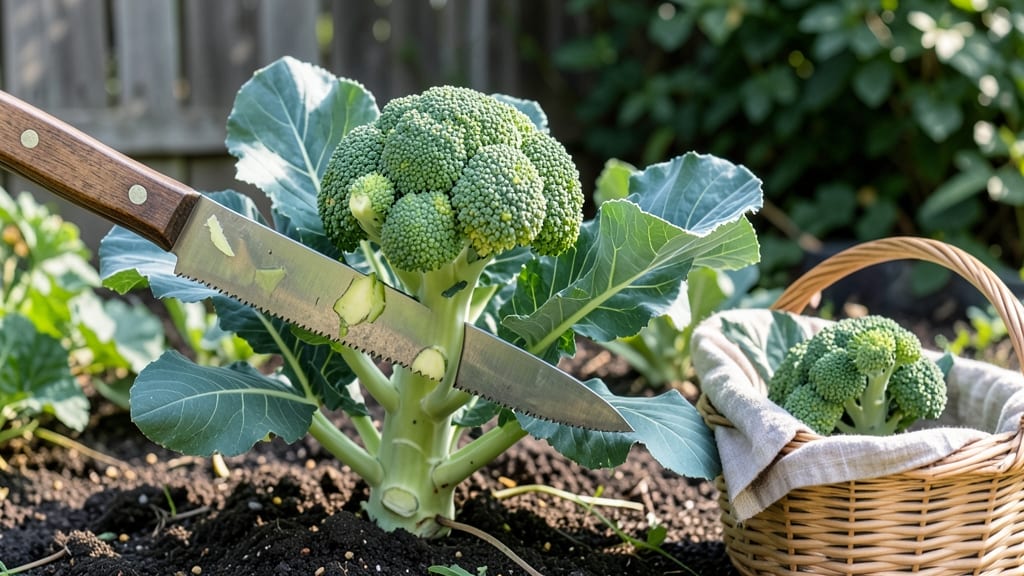
Timing the broccoli harvest right ensures you get those crisp, flavorful heads 🥦 instead of tough, bitter stalks that ruin your meal.
Picture this: you’ve nurtured your broccoli for weeks, and now the moment of truth arrives. One wrong cut, and you’re left with a sad, woody mess—or worse, a plant that won’t rebloom. The key? Knowing exactly when those heads are perfectly ready, and it’s easier than you think.
In this guide, I’ll walk you through three simple tactile tests—no fancy tools required—to determine the ideal harvest time. You’ll learn how to check head size, color, and stem firmness like a pro, plus how to avoid common mistakes that leave you with subpar broccoli.
Whether you’re harvesting in spring or fall, these tips will help you pick broccoli at its peak, ensuring a fresh, delicious harvest every time. Let’s get started!

3 Tactile tests to determine perfect broccoli harvest time
Harvesting broccoli at the wrong stage can turn your crisp, nutritious heads into tough, bitter disappointment. The secret? Using your hands and eyes to check for three key maturity signs before cutting.
Unlike other veggies, broccoli doesn't give obvious ripening cues—so these tactile tests are your foolproof guide to the perfect harvest window.
I’ve learned the hard way that waiting too long means woody stems, while harvesting too early robs you of flavor and size. The good news? These simple checks take just seconds and work for all broccoli varieties, from classic Calabrese to vibrant Purple Sprouting.
Let’s start with the most reliable method—one that even beginner gardeners can master.
- 1. Stem Firmness Test: Grasp the main stem just below the head. It should feel thick and sturdy—like a pencil eraser—not hollow or spongy. A weak stem means the head isn’t fully developed yet.
- 2. Floret Tightness Check: Gently squeeze the florets (the tiny flower buds). They should resist slightly, like a closed umbrella. If they feel loose or crunchy, the head is overripe and starting to bolt.
- 3. Color Uniformity Scan: Examine the head’s color—it should be deep green or purple (depending on variety) with no yellowing. A single yellow floret signals the head is past its prime.
Let me show you how these tests work in practice. For example, my Calabrese broccoli plants often trick me with heads that look big but fail the stem test.
I learned to twist the stem slightly—if it snaps cleanly (not mushy), it’s ready. This simple action saves me from harvesting heads that’ll turn bitter within 24 hours.
Another common mistake? Ignoring the side shoots that appear after the main harvest. These smaller heads mature faster—often in just 3-5 weeks—and require the same tactile checks.
I now harvest them separately, using the floret tightness test as my guide. The result? A continuous supply of tender broccoli all season.
Color is often overlooked, but it’s your final quality check. A head with even, vibrant color (no streaks or dull spots) means it’s at peak flavor. I’ve found that Purple Sprouting varieties sometimes fool me—their deep purple hue can make them look ready when they’re not.
Always pair color with the stem firmness test for accuracy.
What if your broccoli fails one of these tests? Don’t panic—it’s not always a lost harvest. For example, if the florets feel slightly loose but the stem is firm, you might still get a tolerable head if you harvest immediately.
However, I’ve learned that waiting even a day can turn that "maybe" into a bitter, tough mess.
One more tip: Check the leaves surrounding the head. Healthy, dark green leaves indicate the plant is thriving and the head is maturing properly. Yellowing or wilting leaves? That’s a sign of stress or disease, and the head may never reach full potential.
In this case, I’ll often harvest smaller, less-than-perfect heads to avoid losing the entire plant.
For gardeners in warmer climates, these tactile tests take on extra importance. Broccoli bolts quickly in heat, so I prioritize the floret tightness test first. If the buds feel loose, I harvest immediately—even if the head isn’t "perfect" size—to prevent the plant from going to seed.
This strategy has saved my harvests during late-summer heatwaves.
Remember, the goal isn’t perfection—it’s timing. With these three tests, you’ll consistently harvest broccoli at its peak crispness and flavor, whether you’re growing Calabrese, Romanesco, or Purple Sprouting.
The next time you’re tempted to guess, take a second to feel, squeeze, and observe. Your taste buds will thank you.
How long does broccoli take to harvest after planting?
If you've ever wondered when your broccoli plants will be ready for harvest, the answer depends on the variety and your local climate. Most broccoli varieties take between 60 to 90 days from planting to harvest, but knowing the exact timeline helps you plan better.
For example, Calabrese broccoli, the most common type, typically matures in about 70 days, while Romanesco can take up to 90 days to reach harvest size.
Your location plays a huge role too. In cooler climates like USDA Zone 6a, spring-planted broccoli often reaches harvest by late April to May, while fall-planted varieties are ready by October or November.
Warmer regions might see slightly faster growth, especially with varieties like Purple Sprouting broccoli, which thrives in cooler weather and can take 80 to 100 days to mature.
| Variety | Days to Maturity | Best Season | Climate Notes |
|---|---|---|---|
| Calabrese | 60-75 days | Spring/Fall | Fast-growing, thrives in cool weather |
| Romanesco | 80-90 days | Spring/Fall | Needs consistent moisture, slower growth |
| Purple Sprouting | 80-100 days | Fall/Winter | Cold-hardy, best for cooler climates |
| De Cicco | 50-60 days | Summer | Heat-tolerant, quick harvest |
For spring plantings, aim to harvest when daytime temperatures stay below 75°F. If summer heat rolls in too early, your broccoli may bolt (send up flowers) before you can harvest. In contrast, fall plantings benefit from cooler weather, giving you a second chance at a great harvest.
Just be sure to plant your fall crop early enough—typically 8 to 10 weeks before the first frost—to avoid a rush to harvest before winter sets in.
One pro tip I use is to monitor your broccoli heads closely in the final weeks before harvest. Look for heads that are 4 to 8 inches wide and tightly packed. If you notice the florets starting to loosen or yellow, it’s time to pick them immediately.
Overripe broccoli loses its crisp texture and can even become bitter, so timing is everything!
If you’re growing broccoli in containers or raised beds, keep in mind that these plants need plenty of space to develop. Crowding can delay maturity, so give each plant at least 18 to 24 inches of space.
Proper spacing ensures your broccoli gets the sunlight and nutrients it needs to reach harvest size on time.
Finally, don’t forget that broccoli is a cool-season crop, meaning it grows best in temperatures between 60°F and 70°F. If you live in a hot climate, consider growing shade cloth or opting for heat-tolerant varieties like De Cicco to avoid delays in maturity.
With the right variety and care, you’ll be enjoying homegrown broccoli in no time! 🥦