
How To
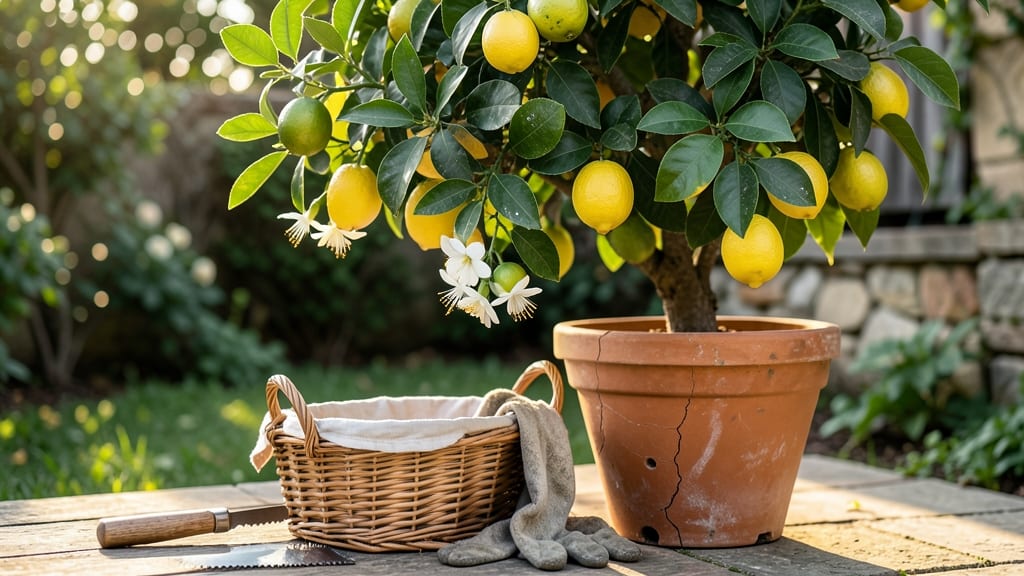
Harvesting lemons at the right time means the difference between a burst of bright, juicy flavor and a mealy, flavorless disappointment.
Picking lemons too early means sour disappointment, but waiting too long risks mealy flesh and wasted effort—so how do you know when to pluck them at peak perfection? The answer lies in three simple tactile tests that take just seconds and eliminate guesswork.
In this guide, I’ll walk you through the exact signs to watch for—from color shifts to stem separation—and when to adjust for your climate zone. You’ll also learn the common mistakes that turn perfectly good lemons into bitter oranges.
By the end, you’ll never second-guess whether your 🍋 is ready to pick again. Let’s get started.
3 Tactile tests to determine lemon ripeness
Harvesting lemons at the perfect moment transforms your garden effort into sweet, tangy rewards. But how do you know when that moment arrives? Unlike store-bought lemons, homegrown ones don't come with a "best by" date—you need to trust your hands and eyes.
The key lies in three simple, science-backed tactile tests that reveal ripeness without cutting into the fruit. These methods work for Eureka, Meyer, and Lisbon varieties, ensuring you avoid both underripe sourness and overripe mealiness.
Many gardeners rely on color alone, but green lemons can still be juicy, while fully yellow ones might be past their prime. The real secrets hide in texture, weight, and stem separation—clues that tell you when the fruit's sugars have peaked and seeds have fully developed.
By mastering these tests, you'll harvest lemons that burst with flavor, stay fresh longer, and even yield fewer seeds when squeezed fresh. Let's dive into the hands-on techniques that guarantee peak lemon perfection every time.
Look for uniform yellowing (or orange/red for certain varieties). A single green spot? Wait 1-2 weeks. Full color change means sugar development is complete.
Press gently with your thumbnail—ripe lemons yield slightly (like a ripe avocado) but don't feel mushy. Overripe lemons will dent; underripe ones feel rock-hard.
Grasp the stem and twist gently—it should detach cleanly without tearing. If it resists, the lemon needs more time; if it pulls away too easily, it's overripe.
The color shift test is your first clue, but don't rely on it alone. A lemon's skin color can stay green even when fully ripe, especially in cooler climates or with certain varieties like the Meyer lemon.
Instead, combine this visual check with the firmness squeeze—the most reliable indicator of internal ripeness. When you press your thumbnail into the lemon's skin, you're testing its starch-to-sugar conversion. A ripe lemon will give just enough to confirm its juiciness without collapsing.
Pro tip: Compare two lemons side by side—one that's fully colored and one that's still green. The ripe one will feel noticeably heavier for its size, thanks to higher water and sugar content. This weight difference is subtle but unmistakable once you know what to look for.
For example, a 3-inch Eureka lemon should weigh about 5-6 ounces when ripe, while an underripe one might only tip the scales at 3-4 ounces.
Many gardeners overlook the stem separation test, but it's the final confirmation that your lemon is ready to pick. This test works because the stem's natural separation point weakens as the fruit matures. If the stem pulls away cleanly with a slight twist, you've found your winner.
If it resists or tears, leave it on the tree for another week. This method also helps you avoid stem-end rot, a common issue when you harvest too early and damage the fruit's connection to the tree.
Timing matters most in hot climates, where lemons can ripen in as little as 3 months, or cooler zones, where they may take 6 months or longer.
In my Zone 9b garden, I've found that lemons harvested in late winter to early spring tend to be sweeter, thanks to the tree's natural growth cycle. But regardless of climate, always prioritize the tactile tests over calendar dates—your hands know best.
What about those seed-free lemons everyone raves about? The same tests apply, but pay extra attention to the firmness squeeze. Seedless varieties often feel slightly firmer at peak ripeness because their thinner skin requires more internal pressure to yield.
If you're growing a Meyer lemon, also watch for a subtle sweet aroma near the stem—this is your bonus cue that sugars have peaked.
One common mistake is harvesting based on fruit size alone. A large lemon isn't necessarily ripe—it might just be swollen from water. Instead, focus on the three tactile tests together.
For instance, I once picked a golf-ball-sized lemon that passed all tests and was bursting with juice, while a larger one that failed the firmness test turned out to be bland and seedy.
To extend your harvest season, try the "tag-and-track" method: Mark lemons with a small piece of tape when they pass the color test, then revisit them weekly for the firmness and stem tests.
This system helps you stagger harvests and avoid overwhelming your kitchen with a sudden lemon glut. And remember—once you've mastered these tests, you'll never buy store-bought lemons again.
Lemon variety harvest timelines: from seed to table
Understanding when to harvest lemons depends on the variety and your climate zone. While Meyer lemons ripen faster than Eureka or Lisbon varieties, all require patience—typically 6-12 months from flowering to harvest.
In USDA Zone 9b (the sweet spot for citrus), expect your first lemons around 12-18 months after planting, with peak harvests in spring and summer.
Cooler climates (Zones 8-10) may delay ripening by 2-4 weeks, while tropical zones (11+) can produce lemons year-round. Meyer lemons, known for their sweetness, often ripen 30-45 days earlier than traditional varieties.
Always prioritize color change and fruit firmness over calendar dates—these visual cues matter more than days on the tree.
| Variety | Time to Ripen (Days) | Peak Harvest Season | Climate Adjustments |
|---|---|---|---|
| Eureka | 150-240 | Spring-Summer | Add 2-3 weeks in cooler zones |
| Meyer | 90-120 | Fall-Winter (earlier) | Ripens faster in containers |
| Lisbon | 180-210 | Summer-Fall | Needs full sun; delays in shade |
For Eureka lemons, the golden-yellow hue signals ripeness, but don’t wait until they’re fully orange—they’ll become mealy and lose flavor. Meyer lemons, with their thin skin and sweet-tart taste, ripen when they turn deep yellow-green and yield slightly to gentle pressure. Lisbon lemons, larger and more acidic, take longer to ripen but reward you with thicker skins that store better.
If you’re in a warmer climate (Zones 11+), you might harvest year-round, but expect two main flushes: one in late winter and another in early fall.
In cooler zones (8-10), focus on spring and summer harvests, and consider container growing to bring trees indoors during winter. Overwintering lemons indoors can delay ripening by 4-6 weeks, so plan ahead!
Pro tip: Tag your lemons when they flower to track ripening timelines accurately. This helps you predict harvests and avoid missed opportunities. For example, if you tagged a Meyer lemon in March, expect it to ripen by June-July in Zone 9b.
Adjust your timeline by 1-2 months if you’re in a cooler zone or growing in containers.
Remember, harvesting too early means sour, underripe lemons, while waiting too long leads to dry, bitter fruit. Balance color, firmness, and stem separation for lemons at their peak flavor. With these timelines, you’ll enjoy homegrown lemons all season long! 🍋