
Vegetables
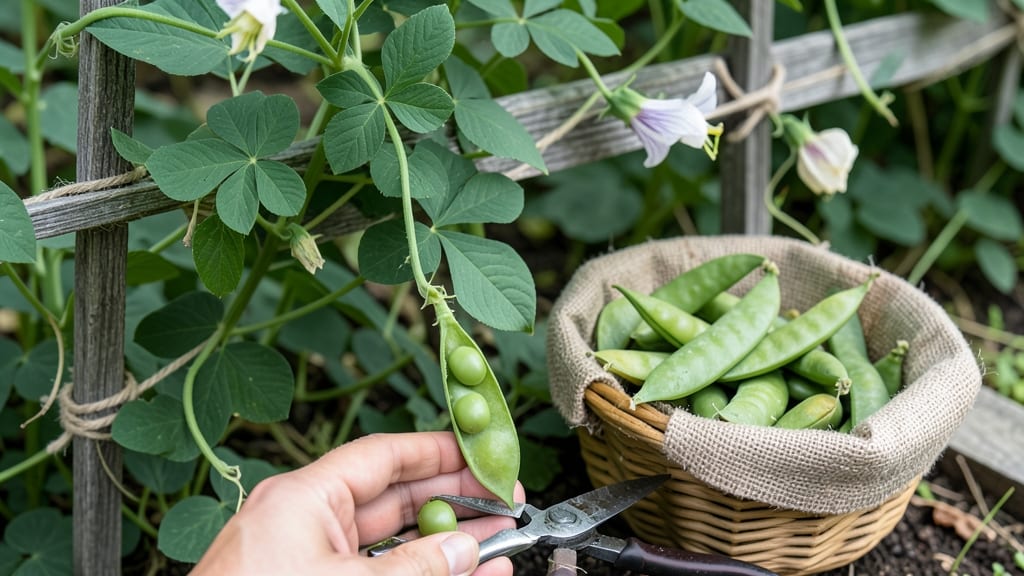
Harvest peas when pods are firm and 2-2.5 inches long—that’s the sweet spot between tender and tough, and the difference between garden-fresh flavor and mealy disappointment.
Peas are one of the fastest-growing vegetables in the garden—but timing their harvest wrong means sacrificing sweetness for toughness. Mastering the art of picking peas at peak ripeness ensures a burst of flavor that store-bought varieties can’t match.
Most varieties are ready 60-70 days after planting, but don’t rely on days alone. Instead, check for plump pods with smooth shells and seeds that fill the pod without bulging.
In this guide, I’ll walk you through the 3 tactile tests to nail perfect peas every time—plus how to handle different varieties like sugar snaps and shelling peas for the best results.
3 Tactile tests to harvest peas at peak sweetness
Nothing beats the fresh, sweet crunch of homegrown peas—unless you harvest them too late and end up with tough, mealy pods. The key to unlocking that garden-fresh flavor lies in your fingertips.
By using simple tactile tests, you can determine the perfect moment to pick peas before they lose their sweetness or become overripe. These hands-on methods work for all pea varieties, from sugar snaps to shelling peas, ensuring you never miss the window of peak ripeness.
Many gardeners make the mistake of waiting too long, thinking bigger pods mean better flavor. But overripe peas develop starchy, fibrous textures and lose their delicate sweetness. On the flip side, harvesting too early means tiny, underdeveloped pods that lack flavor entirely.
The solution? Trust your senses. Below, I’ll walk you through three foolproof tests to identify peas at their sweetest, so you can enjoy that crisp, tender bite every time.
- 1 Pod Firmness Test: Gently squeeze the pea pod—it should feel firm but not hard. Overripe pods feel woody or leathery, while underripe pods feel soft or flimsy.
- 2 Seed Appearance Test: Look inside the pod—seeds should be plump and rounded but not yet bulging or touching each other. If seeds are tiny or shriveled, the pod is underripe.
- 3 Shell Color Test: Check the outer shell—it should be smooth and glossy. Dull or wrinkled pods are overripe, while pale or translucent pods are underripe.
Let’s start with the pod firmness test, which is the most reliable indicator of ripeness. Hold a pea pod between your thumb and forefinger and apply gentle pressure. A perfectly ripe pod will yield slightly but still feel crisp and resistant.
If it feels like a water balloon, it’s underripe. If it feels like a dry stick, you’ve waited too long. This test works especially well for sugar snap peas, where texture is everything.
Next, use the seed appearance test to avoid the pitfall of harvesting peas that are too small or too large. Open a pod and peek inside—ideal seeds should be fully formed but not yet overcrowded.
If you can barely see the seeds, the pod needs more time on the vine. If the seeds are pushing against the shell or even poking through, the pea has passed its prime. This test is crucial for shelling peas, where seed size directly impacts flavor.
The shell color test is often overlooked but provides a quick visual cue. A ripe pea pod should have a vibrant, glossy finish. If the shell looks dull or wrinkled, the pea has dried out on the vine, leading to a tough, bitter taste.
For snow peas, which are harvested before the seeds develop, look for a smooth, slightly waxy surface. This test is especially useful when harvesting in hot, dry conditions, where pods can mature too quickly.
One common mistake I see is harvesting all peas at once instead of checking pods individually. Peas on the same plant can ripen at different rates, especially if the plant is unevenly exposed to sunlight or receives inconsistent watering.
To avoid this, make it a habit to inspect pods every 2-3 days and pick only the ripe ones. This method, called selective harvesting, ensures a steady supply of sweet peas and prevents the plant from bolting prematurely.
Another error is using pod size alone to determine ripeness. While most pea varieties reach 2-2.5 inches in length at peak ripeness, size isn’t everything. A pod that’s the right size but feels soft or hollow is past its prime.
Always combine the three tactile tests for the most accurate results. For example, a sugar snap pea that’s 2 inches long but squeaks when bent is ready, while one that’s 3 inches long but feels mushy should be left on the vine.
To extend your harvest season, consider planting multiple varieties with staggered maturity dates. For instance, early-season peas like 'Little Marvel' mature in about 55 days, while late-season varieties like 'Carouby de Maussane' take closer to 70 days.
By planting a mix, you can enjoy fresh peas for weeks. Additionally, succession planting—sowing new seeds every 2 weeks—keeps your harvest going longer, especially in cooler climates.
Once you’ve mastered these tactile tests, you’ll never again wonder when to harvest peas. The secret to perfect peas lies in your hands—literally. By paying attention to firmness, seed appearance, and shell color, you’ll transform your garden into a sweet pea powerhouse.
And remember, the best time to harvest is morning after a light dew, when pods are crispest and flavors are most intense.
Best practices for harvesting peas without damaging plants
Harvesting peas efficiently preserves your plants' productivity while maximizing your yield. The key is to pick consistently and use the right techniques to avoid stressing the vines.
I’ve learned that overzealous harvesting can weaken plants, while neglecting them leads to tough, stringy peas. Finding that balance ensures a longer harvest season and healthier plants.
Start by harvesting peas every 2-3 days when pods are at peak ripeness. This frequency prevents overcrowding on the vines, which can stunt new growth. Use a pair of clean, sharp scissors or your fingers to snap pods cleanly at the stem—never pull or twist, as this damages the plant.
I always keep a small basket nearby to avoid dropping peas.
⚠️ callout tip ⚠️
✂️ When to Harvest Peas:
- Pod Size: 2-2.5 inches long, swollen but not bulging
- Texture: Firm to touch, smooth shell (avoid wrinkled pods)
- Seed Stage: Plump inside pod but not yet pushing against shell
- Color: Bright green (dull = overripe; pale = underripe)
For climbing varieties, I always harvest from the bottom of the plant upward to encourage even growth. This method also makes it easier to spot ripe pods without missing any hidden behind foliage. If you’re growing dwarf varieties, harvest from the outside in, working your way toward the center to avoid shading lower pods.
After harvesting, store peas in a plastic bag in the fridge for up to 5 days to maintain freshness. For longer storage, blanch and freeze them—this preserves their sweetness for months.
I’ve found that morning harvests yield the sweetest peas, as overnight temperatures help them develop their full flavor. Always leave a few pods on the plant to ensure continuous production.
To extend your harvest season, consider succession planting every 2 weeks. This staggered approach ensures a steady supply of fresh peas and prevents the plant from becoming overloaded with pods.
For late-season varieties, watch for signs of flowering without pods, which indicates the plant is bolting due to heat or age—harvest immediately to avoid wasted energy.
Finally, always clean your tools between harvests to prevent disease spread. A quick wipe with rubbing alcohol keeps scissors or pruners sanitized. By following these practices, you’ll enjoy a bountiful harvest of sweet, tender peas while keeping your plants thriving for weeks longer. Happy harvesting! 🌱