
Vegetables
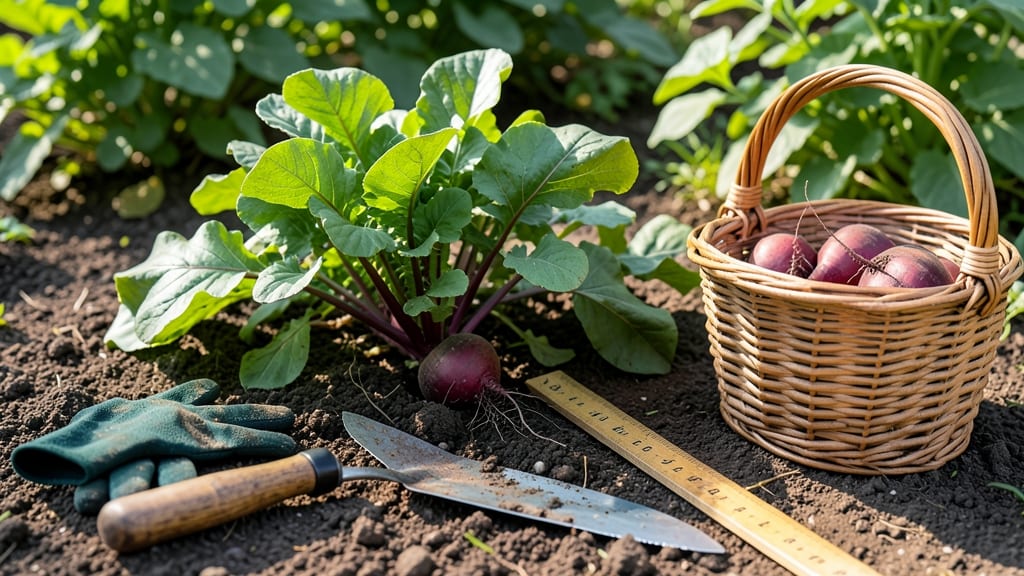
Harvest beet root when the roots reach 1-3 inches in diameter and the soil stays dry—this is the sweet spot before they bolt or turn woody.
Picture this: you’ve nurtured your 🍠 beetroot all season, and now the moment of truth arrives. Pull one too early, and you’ll miss out on peak sweetness; wait too long, and the roots harden into tough, bitter disappointment.
The difference between a tender, flavorful harvest and a tough, stringy mess often comes down to timing.
Below, I’ll walk you through the three key soil tests to determine if your beet roots are ready—plus how to avoid common mistakes like harvesting too soon or letting heat trigger bolting. You’ll learn to read the signs: firm skin, yellowing leaves, and the perfect size for sweetness.
By the end, you’ll know exactly when to pull your beet roots for the perfect harvest, whether you’re growing in Zone 6a or adjusting for your local climate. No more guesswork—just sweet, tender beets straight from the garden.
3 Soil tests to determine beet root harvest readiness
Harvesting beet roots at the perfect moment ensures maximum sweetness and tenderness. The key lies in understanding three simple soil-based tests that reveal root maturity without digging up every plant prematurely.
These methods help you avoid the common mistakes of harvesting too early (small, watery roots) or too late (woody, tough textures).
First, let's clarify what makes a beet root truly ready. Ideally, you're looking for roots that measure 1 to 3 inches in diameter—about the size of a golf ball to a tennis ball.
This size range guarantees both sweetness and structural integrity. The three tests below will help you identify this perfect window with confidence.
🌱
| Test Method | What to Look For | Harvest Decision |
|---|---|---|
| Finger-Pressure Test | Firm resistance when pressed gently | Ready to harvest |
| Root Circumference | 1-3 inches in diameter | Ideal harvest size |
| Leaf Color Analysis | Yellowing or wilting outer leaves | Time to harvest soon |
The finger-pressure test is my favorite because it requires no tools—just your hands and a little patience. Gently press your thumb into the soil near the plant's base.
If the root resists with firm pressure but doesn't feel rock-hard, it's ready. This test works best on dry, loose soil where roots aren't waterlogged.
For a more precise measurement, use the root circumference method. Wait until the beet's top growth reaches about 4-6 inches tall, then carefully brush away soil to expose the root.
Measure its diameter—if it's between 1 to 3 inches, harvest immediately. Smaller roots (under 1 inch) will be watery, while larger ones (over 3 inches) may develop a tough, woody texture.
🍂
Don't overlook the leaf color analysis, which often signals maturity before the root is fully visible. Healthy beet greens should transition from vibrant green to a mix of yellow and green leaves, especially on the outer edges.
This color change indicates the plant is redirecting energy to root development. If leaves start wilting or turning completely yellow, harvest within 24 hours to avoid missing the window.
Timing is everything when it comes to beet roots. Harvesting too early results in small, watery roots with minimal sweetness, while waiting too long leads to woody, fibrous textures that ruin even the best recipes.
The three tests above—finger pressure, circumference measurement, and leaf analysis—work together to give you a foolproof system for perfect harvests every time.
Pro tip: Always harvest beets on a dry, sunny day when the soil is slightly dry. This prevents roots from absorbing too much moisture and becoming waterlogged during storage. Use a garden fork to gently loosen the soil around the root before pulling to avoid damaging nearby plants.
✅
How to prevent bolting and extend beet root harvest season
Once you’ve mastered the art of harvesting beet roots at peak sweetness, the next challenge is keeping your plants productive for longer. Bolting—when beet roots prematurely send up flower stalks—can turn your tender harvests into bitter disappointment.
This happens when plants sense heat stress or drought conditions, especially in Zone 6a during late spring or early summer.
To delay bolting and extend your harvest window, focus on three key strategies: consistent soil moisture, shade protection, and succession planting. These methods work together to maintain sweetness while giving you a steady supply of fresh beets throughout the growing season.
Let’s break down how each approach keeps your plants happy and productive.
🌱
⚠️ When to Harvest Beet Root Before Bolting
Bolting begins when daytime temperatures exceed 80°F or soil dries out. Check for these signs 3-5 days before harvest:
- ✅ Leaf yellowing on outer edges (normal maturity)
- ✅ Roots 2-3 inches in diameter (peak sweetness)
- ❌ Flower stalks emerging (harvest immediately)
- ❌ Soil cracks (severe drought stress)
Pro tip: Harvest younger beets (1 inch) if bolting starts—they’ll still be tender and sweet!
First, prioritize soil moisture management to prevent drought stress. Beets need 1 inch of water per week, but avoid soggy soil, which can cause rot. Use drip irrigation or soaker hoses to deliver water directly to the root zone, keeping the soil consistently moist but not waterlogged.
Mulch with straw or shredded leaves to retain moisture and regulate soil temperature—this is especially critical during hot afternoons when evaporation rates spike.
For extreme heat, deploy shade cloth (30-50%) over your beet patch to reduce stress. Install it in late afternoon when temperatures peak, then remove it in the morning to allow sunlight for photosynthesis. This simple trick can delay bolting by 2-3 weeks while maintaining sweetness.
Pair shade cloth with succession planting: sow new seeds every 2-3 weeks to ensure a continuous harvest as older plants mature.
Finally, choose bolting-resistant varieties like 'Detroit Dark Red' or 'Golden' for longer harvest windows. These types handle heat better than standard varieties. Pair them with cool-season crops like lettuce or spinach in the same bed—their shallow roots won’t compete with beets for moisture or nutrients.
With these strategies, you’ll enjoy sweet, tender beets for weeks longer than the average gardener—no bitter surprises! 🌿