
Picking
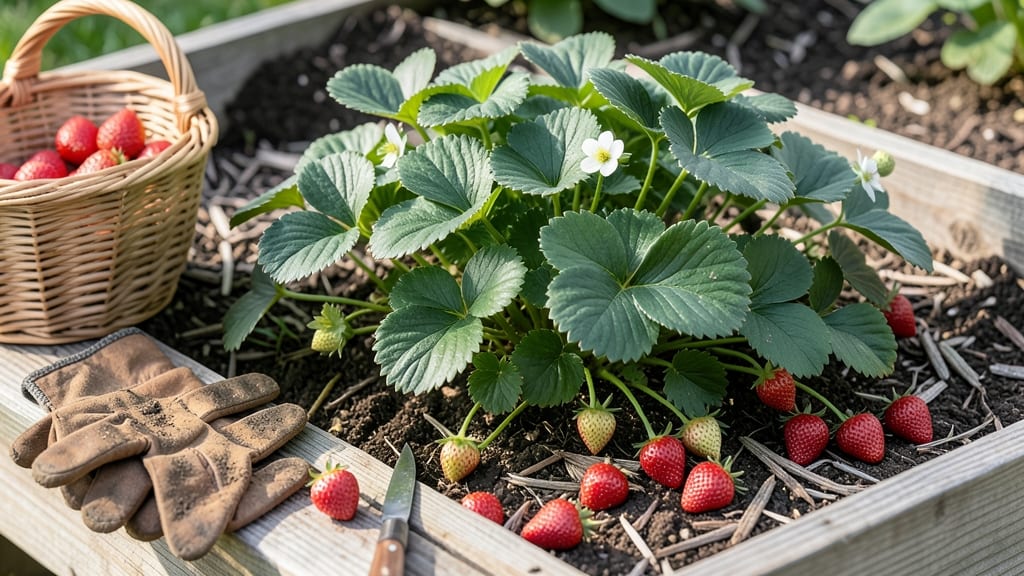
Knowing the exact harvest time for strawberries means the difference between sweet, juicy berries and mealy, flavorless ones that bolt before you can enjoy them.
Strawberries are sweetest when picked at peak ripeness—but knowing exactly when to harvest can be tricky. One wrong move, and you’re left with berries that turn to mush overnight or trigger the plant to flower too early.
The good news? A few simple tactile tests and timing tricks will have you plucking perfectly ripe 🍓 strawberries every season.
This isn’t just about waiting for red color—it’s about texture, scent, and even the time of day you pick. Skip the guesswork and learn how to read your plants like a pro, so you’re harvesting at the sweetest moment before the flavor fades or the plant wastes energy on flowers.
Below, I’ll walk you through the best ways to test ripeness, the ideal harvest windows by variety, and how to store your bounty so it stays fresh longer. No more second-guessing—just flavor-packed strawberries straight from your garden.

How to test strawberry ripeness using tactile and visual cues
Picking strawberries at their peak ripeness ensures the sweetest flavor and juiciest texture—but many gardeners struggle to tell when berries are ready. The key lies in combining visual cues, tactile tests, and even scent.
Overripe strawberries can trigger premature bolting (flowering), while underripe ones lack sweetness. Let’s break down the foolproof methods to harvest at the perfect moment.
Start by examining the color uniformity of the berry. Fully ripe strawberries will be deep red, yellow, or white (depending on variety) with no green patches. A glossy sheen often signals freshness, while dullness can mean the berry is past its prime.
Pay attention to the cap (hull) too—it should begin to dry and pull away slightly from the fruit.
Visual cues alone aren’t enough, though. You’ll need to use your hands to confirm ripeness. The gentle squeeze test is my go-to method: press lightly on the berry with your thumb and forefinger. A ripe strawberry will yield slightly but won’t feel mushy or squishy. If it feels rock-hard or crumbles easily, it’s not ready—or it’s overripe.
Another pro tip: gently twist the berry at its stem while holding the plant. A ripe strawberry will detach cleanly with minimal effort. If the stem snaps or the berry resists, it’s not ready.
This method also helps prevent damaging the plant—a common mistake that stresses strawberries and reduces future yields.
Timing matters too. Harvest strawberries in the early morning when temperatures are cool. This ensures the fruit is at its peak sweetness and less likely to spoil quickly. Avoid picking after rain or in the heat of the day, as moisture and high temperatures accelerate spoilage.
Store harvested berries in the fridge (not the crisper drawer) for up to 3 days to maintain freshness.
Watch for bolting signs—when strawberries flower prematurely. This often happens if berries stay on the vine too long or if the plant is stressed. To prevent it, harvest consistently and avoid overcrowding plants.
If you notice flower buds forming before fruit ripens, prune them to redirect the plant’s energy toward existing berries.
For everbearing and day-neutral varieties, which produce fruit in multiple flushes, check ripeness every 2-3 days. These types may have berries at different stages of ripeness on the same plant.
Prioritize harvesting the ripest ones first to encourage more fruit production. Use a clean pair of scissors or your fingers to avoid tearing the plant.
One final trick: smell the berry. A ripe strawberry emits a sweet, fruity aroma. If it smells neutral or sour, it’s past its prime. This scent test works especially well for white or yellow varieties, which can be harder to judge by color alone.
Combine all these methods—color, texture, scent, and timing—for a foolproof way to harvest strawberries at their absolute best.
With these tactile and visual cues mastered, you’ll never miss the perfect harvest window again. Your strawberries will taste sweeter, last longer, and keep your plants healthy for future yields. Happy picking! 🍓
Best harvesting times by strawberry variety and season
Timing your strawberry harvest depends entirely on the variety you're growing. June-bearing types produce a single massive crop in early summer, while everbearing and day-neutral varieties offer staggered harvests from spring to fall.
Missing the window means flavor fades fast—so let's break down the best times to pick each type for maximum sweetness and shelf life.
Morning harvests are ideal because berries are coolest and firmest, reducing bruising. If you must pick in the evening, do so before sunset to prevent overnight spoilage. The key? Check ripeness daily—strawberries don't ripen further after picking, so wait until they're perfectly ripe before harvesting.
Here’s a quick reference for when to harvest each strawberry type, plus the best time of day for picking:
| Variety Type | Harvest Season | Peak Harvest Months | Best Pick Time | Storage Tip |
|---|---|---|---|---|
| June-bearing | Single crop | June–July | Early morning | Use within 3 days |
| Everbearing | Spring & fall | May, September | Morning or late afternoon | Wash & refrigerate |
| Day-neutral | Continuous | June–October | Morning or early evening | Freeze extras |
June-bearing strawberries are the most predictable—they all ripen at once, making them perfect for canning or freezing. Everbearing varieties, like Ozark Beauty, give you two harvests: one in spring and another in fall.
Meanwhile, day-neutral varieties like Seascape produce berries all season long, but you’ll need to harvest frequently to keep up with the supply.
Never leave ripe strawberries on the vine overnight—they’ll soften and attract pests. Instead, pick them first thing in the morning when temperatures are cool. If you’re harvesting for storage, opt for slightly firmer berries that are still fully colored.
For immediate eating, go for the softest, sweetest ones you can find.
Pro tip: Use clean, sharp scissors or your fingers to twist berries off their stalks. Avoid pulling them, as this can damage the plant. Once harvested, store strawberries in a single layer in the fridge to prevent mold from spreading.
With the right timing, you’ll enjoy homegrown strawberries at their absolute peak all season long. 🍓