
How To
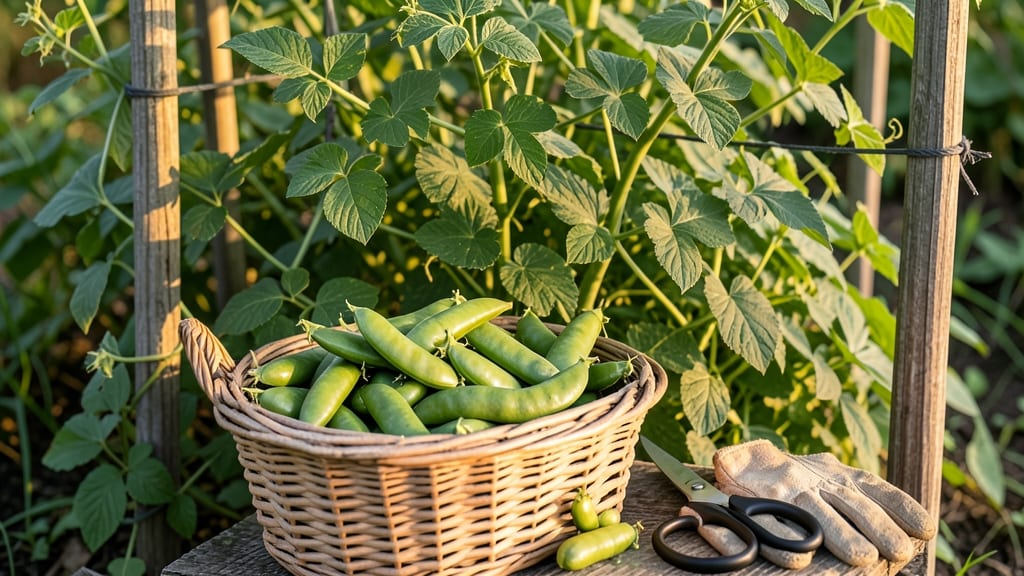
Harvesting pea pods at the right time ensures sweet, crisp peas straight from your garden 🌱—and missing that window means tough, mealy pods that ruin the harvest.
You’ve probably pulled a pea pod only to find it still hard or already overripe, leaving you wondering, "Why didn’t this work?" The truth? Peas follow a simple rule: size, color, and texture all matter. A pod that’s too small lacks flavor, while one that’s too large turns fibrous.
The key is catching them in that perfect 1.5- to 2-inch window when they’re bright green and just starting to fill out.
Most garden peas reach harvest readiness about 60-70 days after planting, but variety matters—sugar snaps and snow peas mature faster than shelling peas. Spring-planted peas in Zone 6a often peak in early summer, while late-summer plantings yield a fall harvest.
Regular checks (every 2-3 days) keep you ahead of the game, ensuring you never miss the sweet spot.
In this guide, I’ll walk you through three foolproof tests—squeeze, snap, and size—to determine when your peas are ready. Master these, and you’ll enjoy a steady supply of garden-fresh pods all season long.
3 Tactile tests to determine perfect pea pod ripeness
There’s nothing like the first taste of a perfectly ripe pea pod—crisp, sweet, and bursting with flavor. But knowing exactly when to harvest can be tricky, especially when pea pods mature at different rates depending on the variety.
Whether you’re growing sugar snaps, snow peas, or shelling peas, these three simple tactile tests will help you pick peas at their peak. The key? Pay attention to texture, size, and sound—your fingers and ears will thank you!
First, let’s address the most common mistake: waiting until pods look "big enough." By then, it’s often too late! Overripe peas lose their tender crunch and develop a mealy texture. Instead, focus on these three hands-on tests that work for all pea varieties.
Mastering them means you’ll enjoy sweeter, fresher peas straight from your garden to your plate. And the best part? No fancy tools required—just your senses!
Gently press a pod between your thumb and forefinger. It should yield slightly—like a ripe avocado—without feeling mushy or hard.
Hold the pod at both ends and bend it gently. A crisp, clean snap means it’s ready. If it cracks or feels rubbery, wait a day or two.
Hold the pod next to a 2-inch ruler or your thumb. Ideal pods should measure about 1.5–2 inches long. For snow peas, aim for flat, 1-inch pods.
Let’s start with the squeeze test, my go-to method for determining ripeness. When I press a pea pod and it gives just a little—like a ripe tomato—it’s usually ready.
But beware: if the pod feels rock-hard, it’s underripe, and if it squishes like overcooked pasta, it’s past its prime. This test works especially well for sugar snap peas, which need that perfect balance of crunch and sweetness.
Pro tip: Do this test on 3–5 pods from different vines to account for uneven ripening.
Next up is the snap method, a trick I learned from my grandfather’s garden. He’d always say, "If it doesn’t snap like a twig, it ain’t ready." To test it, hold the pod firmly at both ends and bend it gently toward your body.
A clean snap means it’s time to harvest. If it cracks or bends without snapping, give it another day. This method is particularly useful for shelling peas, where you want the pods to be firm but the peas inside to be plump and tender.
Avoid testing pods that are already yellowing or wrinkled—those are past their peak!
For visual learners (like me!), the size comparison is a game-changer. Most pea varieties hit their sweet spot when pods are about 1.5–2 inches long. To check, hold the pod next to your thumb—most adults’ thumbs are roughly 1.5 inches wide.
For snow peas, which are flatter and less fibrous, aim for pods that are about 1 inch long and bright green. If the pod is already longer than your palm, the peas inside will likely be tough and overdeveloped.
Remember, size matters, but it’s not the only factor!
Color is another visual cue that pairs well with these tactile tests. Ripe pea pods should be a vibrant, glossy green. If they’re turning yellowish or dull, they’ve passed their prime. For sugar snap peas, look for pods that are uniform in color—no streaks or spots.
And if you can see the peas inside but they’re still small and not filling the pod, that’s your golden ticket to peak flavor. Overripe pods often have visible seeds that bulge or even start to poke through the skin.
Harvesting at the right time isn’t just about flavor—it’s also about encouraging more production. Pea plants will keep producing as long as you pick pods regularly. If you let them go to seed, the plant will redirect energy to seed development, slowing down new pod growth.
I like to harvest every 2–3 days during peak season to keep my plants happy and productive. And here’s a pro move: Harvest in the morning when pods are cool and crisp. This ensures the best texture and flavor for your meals.
What about storage after harvest? If you’re not eating your peas right away, store them in the fridge for 3–5 days in a paper towel-lined container to absorb moisture. For long-term storage, blanch and freeze them—this locks in flavor and texture. But honestly?
The best peas are the ones you eat fresh from the garden. There’s nothing like biting into a pod that’s still warm from the sun and bursting with sweetness. Now that you’ve mastered these tactile tests, you’re ready to enjoy a bountiful, flavorful pea harvest all season long!
Ready to put these tests into action? Grab a basket, head to your garden, and start squeezing, snapping, and comparing! With a little practice, you’ll be harvesting peas like a pro in no time.
And if you’re growing multiple varieties, don’t forget to label your plants—each type has its own ideal harvest window. Happy harvesting!
🌱
Pea variety harvest times: when sugar snaps vs. shelling peas peak
Not all pea pods are created equal—and neither are their harvest windows. Sugar snap peas, snow peas, and shelling peas each demand different timing for peak flavor and texture.
Understanding these distinctions ensures you never miss the sweet spot between mealy and overripe. Let’s break down the key differences based on pod characteristics and growth stages.
Environmental factors like temperature and sunlight exposure can shift harvest windows by up to 10 days. Cooler spring weather slows ripening, while hot summer sun accelerates it.
For example, sugar snaps grown in 60°F conditions may take 65-70 days to mature, but in 75°F+ heat, they’ll be ready in just 55-60 days. Always adjust your expectations based on your local climate.
Here’s the game-changer: Harvesting at the right stage isn’t just about days after planting—it’s about pod size, color, and texture. A sugar snap pea harvested too early will be bland, while a shelling pea left too long will have tough skins. The secret lies in knowing these subtle cues for each variety.
For sugar snap peas, the crunch factor is your best friend. Aim to harvest when pods are 2–2.5 inches long and snap easily when bent—like a fresh carrot stick.
If they feel rubbery or the seeds bulge, you’ve waited too long. Snow peas, on the other hand, should be harvested when they’re flat and bright green, with seeds barely visible. Let them linger, and they’ll toughen up faster than a wilted lettuce leaf.
Shelling peas are the most forgiving but still need precision. Wait until pods are 3–4 inches long and the seeds inside fill about one-third of the pod. At this stage, the peas inside will be sweet and tender, not the starchy, overgrown monsters you’ll get if you delay. Pro tip: Pinch off any pods that turn yellow or develop brown spots—they’re past their prime and can drain energy from your plants.
One final pro move? Harvest consistently every 2–3 days to encourage continuous production. Pea plants reward prompt attention with sweeter, more abundant pods. And if your garden’s in full summer heat, prioritize morning harvests to preserve crispness—afternoon sun turns pods limp faster than a forgotten hose.