
How To
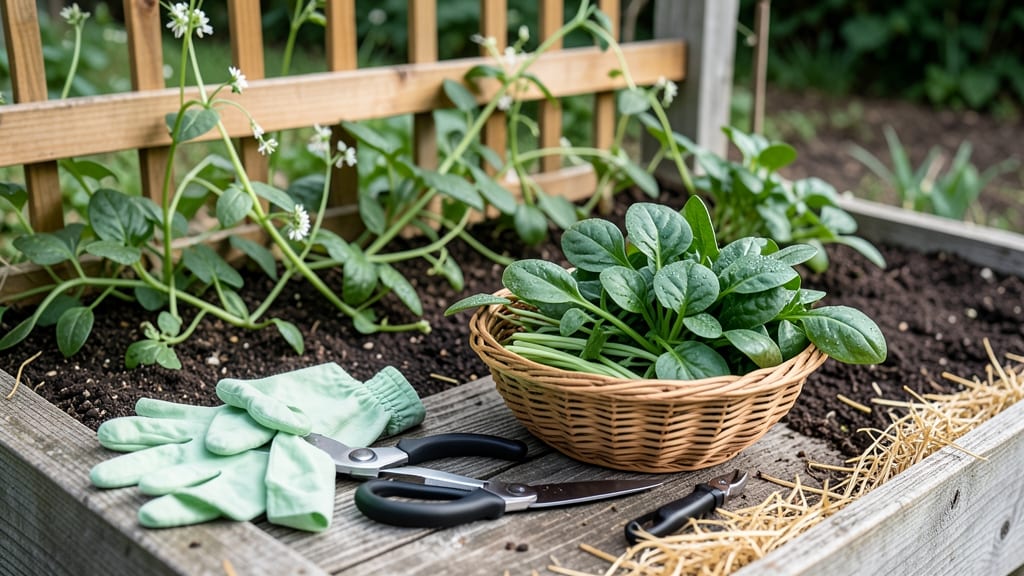
To harvest climbing spinach at its peak tenderness, focus on timing when leaves are 6-8 inches long and stems snap cleanly with a light tug—this is where flavor and texture shine brightest.
Climbing spinach isn’t just a space-saving green—it’s a delicate, fast-growing powerhouse that rewards precision when harvesting. One wrong snip, and you’ll sacrifice tender stems for tough, bitter leaves. Here’s how to pluck it at peak perfection using three foolproof tactile tests.
Most gardeners wait until leaves are fully mature, but that’s when the texture turns rubbery. Instead, check for deep green color and a slight gloss—these are your cues that the plant is ready. A firm but not woody stem confirms it’s time to harvest.
Below, I’ll walk you through the exact techniques to cut or hand-pick leaves, how to revive your plant after harvesting, and the three common mistakes that turn your spinach into a sad, wilted mess.
3 Tactile tests to determine when climbing spinach is ready for harvest
Climbing spinach thrives on quick growth, but its delicate tender stems and mature leaves demand precise timing. Unlike traditional spinach, its climbing habit means you’ll harvest both stems and leaves—each with distinct readiness cues. The key? Trust your fingers as much as your eyes.
Overharvesting too early yields bitter, fibrous greens, while waiting too long means tough stems that ruin texture. These three science-backed tactile tests will train you to recognize the perfect moment.
First, understand that climbing spinach matures in stages: young leaves (ready in 45 days), tender stems (60 days), and fully elongated vines (75 days). The finger pressure test is your first clue—it reveals leaf thickness and stem resilience.
Next, the stem snap test distinguishes between tender and woody growth. Finally, the leaf thickness gauge ensures you’re harvesting at peak tenderness. Master these, and you’ll enjoy continuous harvests without sacrificing flavor.
Here’s how to apply each test in your garden, with visual and tactile cues to guide you:
Press a leaf between thumb and forefinger. If it gives slightly but holds shape, it’s ready. Overly soft leaves (not ready); rigid leaves (past prime).
Pinch a 1-inch stem section. A clean snap means tender regrowth. A bend without breaking = woody and tough. Ideal stems snap like green celery.
Hold a leaf up to light. 3-4 layers = perfect thickness. Fewer layers (too young); more layers (fibrous). Aim for glossy, deep green with visible veins.
Let’s break down the finger pressure test first. Start by selecting a mature outer leaf—these are the first to reach harvestable size. Gently press the leaf’s midrib (the thick central vein) between your thumb and index finger. If the leaf resists slightly but doesn’t dent deeply, it’s ready.
Think of it like testing a ripe avocado: firm enough to hold its shape, but yielding enough to know it’s not rock-hard. Young leaves will feel almost papery and collapse under pressure, while overmature leaves will feel leathery and resist entirely.
For stem harvesting, the snap test is non-negotiable. Climbing spinach produces edible stems that taste best when tender. Choose a 1-inch section of a healthy stem and pinch it firmly. If it snaps cleanly with a slight resistance—like a green bean stalk—it’s prime.
A stem that bends without breaking is already woody and past its best. Pro tip: Test stems in the morning when moisture levels are highest, ensuring the most accurate reading.
The leaf thickness gauge ties visual and tactile cues together. Hold a leaf up to natural light and count how many layers you can see when folded. 3-4 layers is the sweet spot for tender, flavorful leaves.
Fewer layers mean the leaf is still too young, while more layers signal fibrous, bitter texture. Pair this with a color check: ready leaves should be deep emerald green with prominent veins. Pale or yellowing leaves? Harvest sooner—they’re stressed or nutrient-deficient.
Why rely on tactile tests? Climbing spinach’s growth rate varies with temperature, sunlight, and soil nutrients. A leaf might look “ready” visually but feel mushy if overwatered, or appear mature but taste bitter if stressed.
Your fingers detect what your eyes miss: subtle shifts in cell structure and moisture content. For example, a leaf that feels slimy when pinched is overwatered—harvest it immediately to avoid rot.
Timing matters too. Harvest stems in the morning when sugars are highest, and leaves in the late afternoon to avoid wilting. Use clean, sharp scissors for stems (cut just above a leaf node to encourage regrowth) and pinch leaves at the base to prevent damage.
After harvesting, rinse leaves briefly in cool water to remove dirt, then pat dry with a paper towel to preserve crispness.
One common mistake? Harvesting only the largest leaves and ignoring the smaller, younger ones. These baby leaves are the most tender and packed with nutrients. To maximize yield, use the “cut-and-come-again” method: snip stems back to 2-3 inches above the soil, leaving 2-3 leaves per vine.
This triggers lush regrowth in 2-3 weeks, giving you continuous harvests for months.
Pro tip: Keep a harvest journal to track when your plants reach peak tenderness. Note weather conditions, fertilizer applications, and harvest dates. Over time, you’ll predict readiness like a pro.
And remember, climbing spinach is heat-sensitive—if temperatures rise above 85°F, it bolts quickly. Stay ahead by harvesting aggressively during heatwaves to preserve quality.
Step-by-step harvesting techniques for climbing spinach stems and leaves
Harvesting climbing spinach requires a gentle touch—whether you’re plucking tender young leaves or cutting mature stems. The key is to avoid damaging the plant’s regrowth while maximizing flavor. I’ve perfected two methods: hand-picking for delicate leaves and scissor-cutting for thicker stems, both designed to keep your plant thriving.
Timing matters just as much as technique. Harvest in the early morning when leaves are crisp and hydrated, typically between 6-8 AM. This preserves texture and prevents bitterness. Avoid harvesting after rain or late in the day, as excess moisture can lead to faster spoilage and fungal issues.
How to Harvest Climbing Spinach
- 1 Identify ready leaves: Look for 6-8 inch leaves with deep green color and glossy texture. Gently pinch a leaf—if it snaps cleanly, it’s harvest-ready.
- 2 Hand-pick young leaves: Use your thumb and forefinger to pinch leaves at the base, twisting gently to avoid tearing. Start with outer leaves to encourage new growth.
- 3 Cut mature stems: For thicker stems, use clean pruning shears to cut 1 inch above a leaf node. This prevents damage to the plant’s growth points.
- 4 Revive the plant: After harvesting, water the soil deeply to replenish moisture. Avoid fertilizing immediately—wait 24 hours to let the plant recover.
- 5 Store properly: Rinse leaves in cool water, pat dry, and store in a ventilated bag in the fridge. Use within 3-5 days for peak freshness.
Never cut more than one-third of the plant at once, or you’ll stunt regrowth. If your climbing spinach starts producing flowering stems, harvest them immediately—they signal the end of the plant’s productive cycle and make leaves bitter.
Pro tip: Rotate your harvesting direction each time. If you always pick from the left, the plant may grow unevenly. Mix it up to encourage balanced growth and prevent shade from blocking sunlight to certain leaves.
With these techniques, you’ll enjoy tender, flavorful leaves for weeks while keeping your climbing spinach lush and productive. Happy harvesting!