
How To
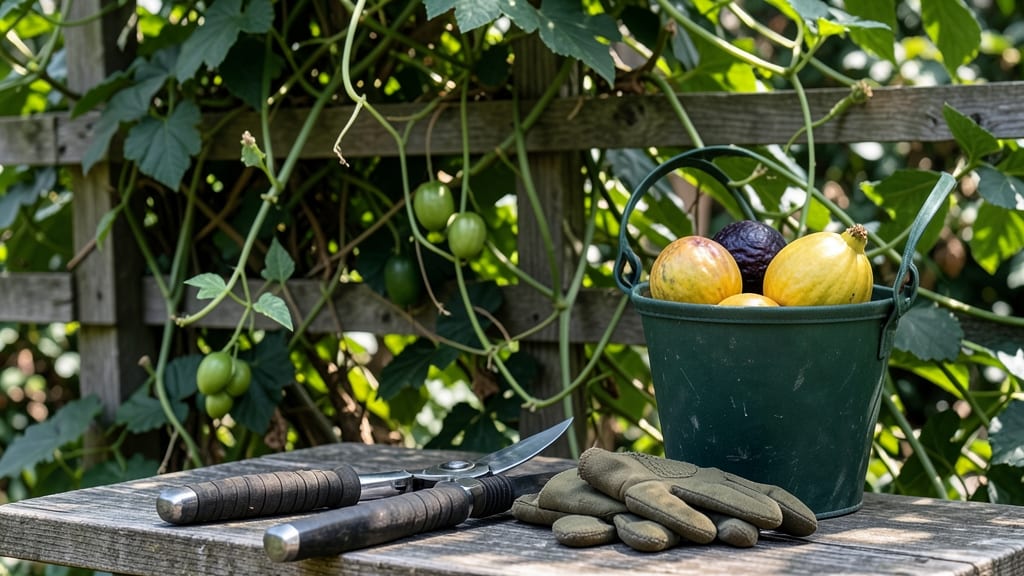
Harvesting passionfruit at the right time means the difference between a tart, seedy disappointment and a sweet, juicy burst of flavor you’ll crave year-round.
Picture this: you twist off a 🍈 that’s fully colored—deep purple or golden yellow—and it releases just enough to tell you it’s ready. One wrong move, and you’re left with mealy flesh or an underripe mess.
I’ve been there, and I’m here to show you how to nail it every time.
Most varieties ripen between 6 and 12 months after planting, but color, texture, and even the way the fruit gives under gentle pressure are the real clues. Below, I’ll break down the three visual cues that guarantee peak sweetness—no guesswork required.
You’ll also learn how to test ripeness without cutting open the fruit, spot the signs of overripening, and adjust for your climate. By the end, you’ll harvest like a pro and enjoy passionfruit at its best.
3 Visual cues to identify perfectly ripe passionfruit
Harvesting passionfruit at the right moment transforms your vine into a sweet, flavorful treasure. The key lies in mastering three visual cues that reveal peak ripeness before the fruit overripens or spoils.
These indicators—color transformation, skin texture, and stem separation—work together to signal when your passionfruit is ready to pick. Ignoring these signs often leads to tart, seedy fruit that falls short of its tropical potential.
First, let’s address the biggest mistake gardeners make: harvesting too early. Green passionfruit may look plump, but it’s often underripe, with a harsh, astringent taste. On the flip side, waiting too long risks overripe fruit that turns mushy or attracts pests.
The sweet spot? When these three visual cues align perfectly, you’ve got a sweet, juicy passionfruit waiting to be enjoyed.
🌱 Numbered Highlights: When to Harvest Passionfruit
- 🟠 1. Color Change: Purple passionfruit shifts from green to deep purple; yellow varieties turn golden yellow with slight orange blush. Avoid harvesting if green patches remain.
- 🤲 2. Skin Texture: Gently press the fruit—it should yield slightly (like a ripe avocado) but not feel mushy. Firmness indicates underripeness; softness signals overripeness.
- ✂️ 3. Stem Separation: Twist the fruit gently at the stem. If it detaches cleanly with minimal resistance, it’s ready. No separation means it needs more time.
Let’s break down the color transformation first. For purple passionfruit, the shift from green to deep purple is your green light.
The fruit should be uniformly colored—no lingering green spots. Yellow passionfruit, on the other hand, turns a vibrant golden hue with a slight orange tint near the stem. This color change isn’t just about aesthetics; it’s a chemical signal that the fruit’s sugars have peaked.
Next, pay attention to the skin texture. A ripe passionfruit will have a slightly glossy skin that gives just a little when pressed with your thumb. Think of it like testing a ripe peach—it should have a gentle give, not a hard resistance or a squishy collapse.
If the skin feels dry or wrinkled, the fruit has overstayed its welcome on the vine.
The stem separation test is often the most reliable cue. Grasp the fruit near the stem and twist gently. If the stem detaches easily (almost like it’s popping off), your passionfruit is ready.
If it resists, leave it on the vine for another 2-3 days. This test works because the fruit’s natural abscission layer (a separation zone) weakens as it ripens, making harvest effortless.
Here’s a pro tip: Harvest in the morning when temperatures are cooler. This helps preserve the fruit’s firmness and flavor after picking. Avoid harvesting after a hot day, as the fruit may be overripe or prone to bruising.
Store harvested passionfruit at room temperature for 1-2 days to ripen further if needed, or refrigerate to extend shelf life.
What if your passionfruit isn’t showing these signs? Don’t panic. Climate and variety play a role. In cooler climates, ripening may take longer, while tropical heat can speed it up. Yellow passionfruit often ripens faster than purple varieties, so check them more frequently.
If your fruit isn’t changing color, it might need more sunlight or balanced fertilizer to encourage ripening.
Finally, remember that patience pays off. Rushing the harvest leads to underripe fruit that’s seedy and bitter, while waiting too long results in mushy, fermented passionfruit.
By mastering these three visual cues, you’ll consistently pick passionfruit at its peak sweetness, turning your garden into a tropical paradise. 🌱
How to test passionfruit ripeness without cutting it open
Testing passionfruit ripeness without opening it saves you from wasted effort and ensures you only pick the sweetest, juiciest fruit. While visual cues like color and stem separation are essential, these three non-destructive tests give you extra confidence before harvesting.
I’ve used these methods for years, and they’ve helped me avoid both underripe and overripe passionfruit every time. The best part? You don’t need any special tools—just your hands and a little practice.
First, let’s talk about the gentle pressure test. This is my go-to method because it’s quick and reliable. Hold the passionfruit in your palm and apply light pressure with your thumb. A ripe passionfruit should feel slightly yielding—like pressing a ripe avocado.
If it feels rock-hard, it’s underripe. If it feels mushy or squishy, it’s overripe. The key is to find that just-right balance where the skin gives a little but doesn’t collapse under pressure.
Next, try the weight check. Lift the passionfruit in your hand and compare its weight to others on the vine. A ripe passionfruit feels heavier for its size because it’s packed with juice and seeds. If it feels light or hollow, it hasn’t fully developed.
This method works especially well when comparing multiple fruits at once. Pro tip: If you’re unsure, pick the heaviest fruit in the bunch—it’s usually the ripest.
Finally, use your sense of smell. A ripe passionfruit releases a sweet, tropical aroma near the stem. Hold the fruit close to your nose and take a deep sniff. You should detect a fruity, almost floral scent.
If there’s no smell or it’s musty or fermented, the fruit isn’t ready. This test is subtle but incredibly effective, especially for yellow passionfruit, which can be trickier to judge by color alone.
⚠️ Warning: Common Mistakes to Avoid
Harvesting too early leads to tart, seedy fruit that’s unpleasant to eat. Look for full color change and stem separation before picking.
Waiting too long results in mushy, fermented passionfruit. Overripe fruit may also attract pests like fruit flies, reducing your harvest.
Ignoring climate cues can throw off ripening. In cooler climates, passionfruit may take longer to ripen—check for ripeness more frequently.
💡 Pro Tip: Harvest in the morning when fruit is coolest to preserve firmness and flavor.
To tie it all together, combine these tests for the best results. Start with the visual cues (color and stem separation), then confirm with the pressure test, weight check, and scent analysis. If all signs point to ripeness, it’s time to harvest.
If you’re still unsure, leave the fruit on the vine for another 24 hours and retest. Remember, passionfruit continues to ripen slightly after picking, so even if it’s not perfect, storing it at room temperature for a day or two can help it reach peak sweetness.
One last piece of advice: keep a harvest journal. Note the size, color, and ripeness tests for each passionfruit you pick. Over time, you’ll recognize the perfect ripeness for your specific vine and climate.
This method has saved me from countless disappointing harvests and helped me consistently enjoy passionfruit at its best. With these non-destructive tests, you’ll never second-guess your harvest again. 🌿