
How To
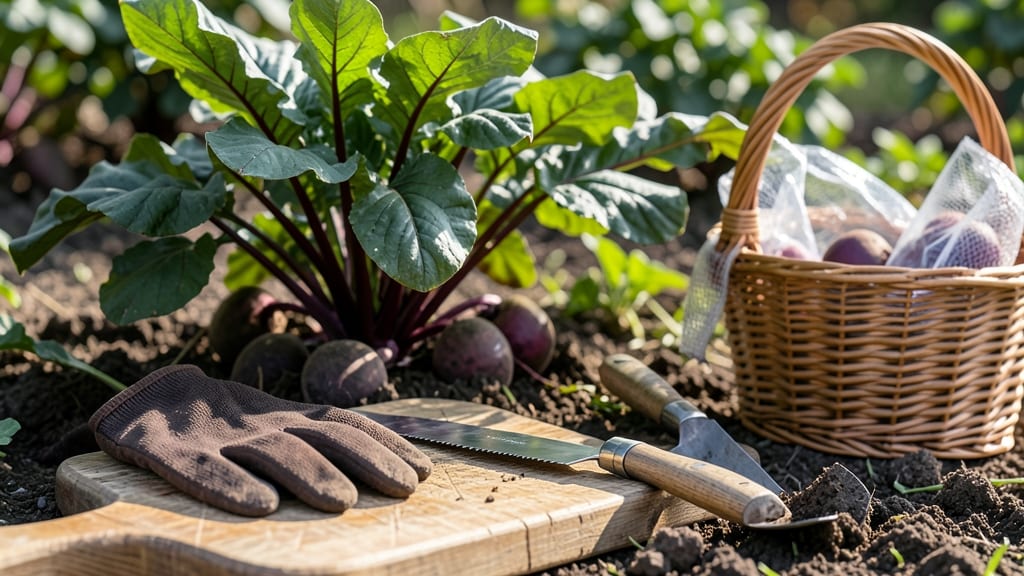
Harvesting and storing beets the right way preserves their sweetness and keeps them crisp for weeks—here’s how to do it without a single wasted root.
Picture this: you’ve nurtured your 🍠 plants all season, and now they’re ready. But pull them too early, and they’re bitter; leave them too long, and they turn woody.
The key is timing, and once you’ve got that down, storing them properly means you’ll enjoy them long after the garden’s done producing.
In this guide, I’ll walk you through the exact signs to look for when it’s time to harvest—root size, leaf color, and more—plus the best methods to store them fresh in the fridge, or even can or freeze them for later.
You’ll also learn the three biggest mistakes that cause beets to spoil, so you can avoid them and keep your harvest tasting as good as the day you pulled it from the soil.
When and how to harvest beets for maximum sweetness and texture
Harvesting beets at the perfect moment ensures they’re packed with sweetness and tender texture. The key lies in watching for three critical signals: root size, leaf color, and weather conditions. Overlooking these can turn your harvest into tough, woody messes instead of the vibrant, flavorful roots you crave.
Beets thrive when pulled during cool, dry weather—ideally in the morning hours when temperatures are mild. This timing reduces stress on the plant and prevents bleeding, which can make your roots less vibrant.
If you must harvest in hot weather, do it early morning or late evening to avoid wilting.
Root size is your first clue: aim for beets between 1 to 3 inches in diameter. Smaller roots (under 1 inch) are often too watery, while larger ones can become tough. Check the foliage height too—healthy beets have leaves 4 to 6 inches tall with deep, rich colors.
Color consistency is another harvesting red flag. Deep red, gold, or purple hues (depending on your variety) signal maturity. If the tops look pale or yellowing, it’s a sign the beet is past its prime.
For baby beets, harvest earlier when roots are ½ to 1 inch wide—they’ll be sweeter and more delicate.
| Harvest Stage | Root Size | Foliage Height | Leaf Color | Best Time to Harvest |
|---|---|---|---|---|
| Baby Beets | ½–1 inch | 2–3 inches | Deep, vibrant | 45–50 days after sowing |
| Standard Beets | 1–3 inches | 4–6 inches | Rich, consistent hue | 50–70 days after sowing |
| Overmature Beets | 3+ inches | 6+ inches | Pale or yellowing | Avoid—tough and woody |
To harvest, use a garden fork or trowel to gently loosen the soil around the beet. Grasp the leafy tops and pull upward with steady pressure. Avoid twisting, which can bruise the root. Once pulled, shake off excess soil but don’t wash until ready to store—moisture speeds up spoilage.
For longer storage life, trim the foliage to 1 inch above the root—this reduces moisture loss. Leave the root intact and store in a cool, dark place like a root cellar or fridge.
If storing in the fridge, place beets in a plastic bag with a paper towel to absorb excess moisture.
If you’re harvesting for immediate cooking, leave the greens attached—they’re edible and packed with nutrients. For long-term storage, separate the greens and roots, as the greens will wilt faster.
Store roots in a humid environment (like a root cellar) for up to 3 months if kept at 32–40°F.
Never harvest beets after a hard frost, as the roots can become pithy and lose flavor. Instead, mulch heavily before the first frost to protect the soil and roots. This buys you extra weeks to harvest while maintaining sweetness and texture.
Pro tip: Harvest beets gradually rather than all at once. This extends your harvest window and ensures a steady supply of fresh, sweet roots. For continuous harvests, plant beets every 2–3 weeks throughout the growing season.
🌱
Step-by-step guide to cleaning, trimming, and short-term storage
Once you’ve harvested your beets at the perfect time, the next critical step is post-harvest care. Proper cleaning and trimming preserve their sweetness and crisp texture while preventing spoilage. Even a 5-minute prep can extend their shelf life by up to 2 weeks in the fridge or root cellar.
Start by gently removing excess soil—don’t scrub aggressively, as this can damage the skin and accelerate decay. A quick rinse under cool water while holding the beet firmly by its greens is all you need. Pat them dry with a clean towel to prevent moisture buildup, which leads to mold.
How to Clean, Trim, and Store Beets
-
1. Rinse Gently
Hold beets by their greens and rinse under cool water to remove dirt. Avoid soaking to prevent water absorption.
-
2. Trim the Greens
Use a sharp knife to cut the greens 1 inch above the root. Save the greens for soups—they’re packed with flavor!
-
3. Remove the Tops
For storage, trim the leafy tops completely to reduce moisture loss. Leave a small stem if using immediately.
-
4. Cure the Beets (Optional)
Place whole beets in a single layer on a tray for 1-2 hours at room temperature to toughen their skin, improving storage life.
-
5. Store in the Fridge
Keep beets in a plastic bag with a paper towel to absorb excess moisture. Store in the crisper drawer for up to 2 weeks.
-
6. Root Cellar Alternative
For longer storage, place beets in a humid, cool space (32-40°F). Bury them in sand or sawdust for up to 3 months.
If you notice your beets wilting or developing soft spots, act fast. Place them in a bowl of ice water for 10 minutes to revive crispness, or discard any with mold—it spreads quickly. For extra freshness, wrap individual beets in damp paper towels before storing to maintain humidity.
Pro tip: Label your storage bags with the harvest date. Beets stored properly can stay fresh for 2-3 weeks in the fridge or even longer in a root cellar, ensuring you enjoy their sweetness long after the garden season ends.