
How To
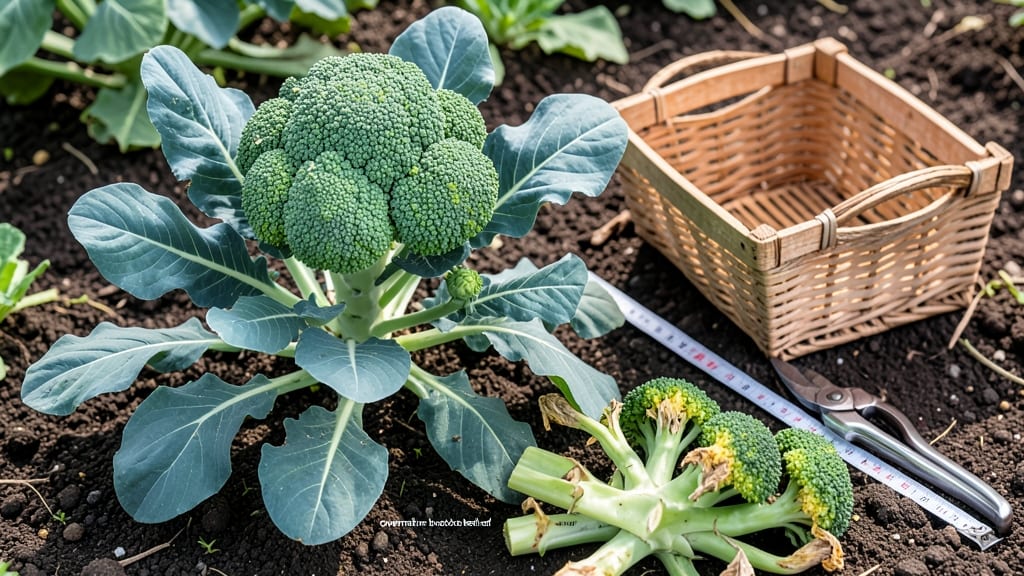
To know when to harvest broccoli 🥦, look for compact heads that are 4-6 inches wide with tightly packed florets and a deep green color.
Picture this: you’ve nurtured your broccoli for weeks, and now the moment of truth arrives. Harvest too early, and you’ll get small, underdeveloped florets. Wait too long, and the plant bolts—turning bitter and woody.
The key is catching it just right, when the head feels firm and the stem snaps easily with a slight bend.
Beyond visual cues, timing matters. Broccoli thrives in cool spring weather (USDA Zone 6a), and if you miss the harvest window, your plant may shift energy into seed production instead of more edible heads.
That’s why knowing the signs—like yellowing lower leaves or florets starting to open—can save your harvest and even encourage side shoots for a second round of broccoli.
In this guide, I’ll break down the three must-check visual signals, how to harvest without damaging the plant, and what to do if you’ve already waited too long. By the end, you’ll be picking broccoli at peak flavor every time.
3 Key visual cues to harvest broccoli at peak freshness
Timing your broccoli harvest is everything—miss the window, and you’ll end up with bitter, woody florets or a plant that bolts too soon. The good news? Your broccoli will give you clear visual signals when it’s ready. I’ve grown broccoli for years, and these three cues never fail me.
First, focus on the bud tightness. Perfect broccoli heads should feel firm to the touch, with florets packed so tightly you can’t slip a fingernail between them. Loose florets mean it’s too early, while overly spread buds signal it’s past prime. This is your first green light for harvest.
Next, check the color. Dark, vibrant green florets are a must—any yellowing or browning means the head is overripe. I once waited too long and ended up with a head that looked more like a sad, yellowed artichoke than fresh broccoli. Don’t let that happen to you!
Finally, examine the stem flexibility. A ready-to-harvest stem should bend slightly when you apply gentle pressure—almost like a ripe avocado. If it snaps easily, that’s your cue to grab your shears. A stubborn, unyielding stem means more time in the garden.
- 1. Tight Florets: Heads should be 4-6 inches wide with florets packed so tightly they resist separation. Use your thumb to test—if buds don’t spread apart easily, it’s harvest time!
- 2. Deep Green Color: Look for uniform dark green florets with no yellowing or browning. Even a single yellow bud means the whole head is past its prime.
- 3. Flexible Stem: Gently bend the stem—it should snap easily (not break) when ready. A firm stem means wait a few more days.
- Bonus Cue: Check the base leaves. Yellowing lower leaves signal maturity, but if the plant looks stressed or wilting, harvest immediately to salvage what you can.
One mistake I see often is harvesting based on plant age alone. Broccoli varieties mature at different rates, and environmental factors like temperature can speed up or slow down growth.
Always trust the visual cues over a calendar. For example, my Calabrese broccoli often matures faster in warm springs than in cooler years.
If you’re growing multiple broccoli plants, watch for side shoots after the main head is harvested. These smaller shoots will follow the same visual cues—tight buds, dark green color, and flexible stems. Side shoots are your plant’s second chance for harvest, and they’re just as delicious as the main head!
Remember, broccoli won’t get sweeter after it bolts—it just gets tougher and more bitter. The moment you see those tiny yellow flowers peeking out, it’s your last call to harvest. I’ve learned the hard way that waiting “just a little longer” often means throwing out a perfectly good plant.
For container growers, these cues apply too—just be extra vigilant since potted broccoli can mature faster due to limited root space. If your plant is in a 5-gallon pot or smaller, monitor it daily, especially in hot weather when growth accelerates.
Once you’ve mastered these visual cues, harvesting broccoli becomes second nature. You’ll know exactly when to act, ensuring a steady supply of fresh, flavorful heads all season long. Happy harvesting!
How to harvest broccoli without damaging future growth
Once you’ve spotted the perfect broccoli head using those visual cues, the next challenge is harvesting it without harming the plant. A clean cut and proper technique encourage side shoots and maximize your yield.
I’ve learned that even a small mistake—like cutting too close to the stem or using dull shears—can stress the plant and reduce future production.
Start by gathering your essential tools: a sharp pair of pruning shears or a clean kitchen knife, a small bowl for the harvest, and a spray bottle with water.
The right tools make all the difference—dull blades tear stems, inviting disease and slowing regrowth. I always sanitize my shears with rubbing alcohol before use to prevent bacterial spread.
Now, position your shears about 1-2 inches below the main head, cutting at a 45-degree angle. This angled cut increases surface area for water absorption, helping the plant recover faster. Avoid cutting too close to the stem center—this can damage the plant’s vascular system and stunt future growth.
If you’re unsure, imagine slicing just below where the head meets the stem but leaving enough room for new shoots to emerge.
- Step 1: Choose the Right Tool Use sharp pruning shears or a clean knife. Dull tools crush stems, inviting rot and stressing the plant.
- Step 2: Cut at the Correct Angle Slice 1-2 inches below the head at a 45-degree angle to promote faster healing and side shoot growth.
- Step 3: Leave the Stem Intact Avoid cutting into the main stem. Leave enough stem for new shoots—this is where your second harvest will come from!
- Step 4: Harvest Side Shoots After the main head, watch for small side shoots. Harvest these the same way when they reach 2-3 inches wide.
- Step 5: Post-Harvest Care Water the plant deeply after harvest and add a light fertilizer to encourage regrowth. Mulch around the base to retain moisture.
After harvesting the main head, your broccoli plant isn’t done yet! With proper care, it will produce 3-5 side shoots over the next few weeks. These smaller heads follow the same rules—harvest them when they’re 2-3 inches wide with tight florets.
I’ve had plants produce enough side shoots to match the original harvest, doubling my yield!
Post-harvest care is just as critical as the cut itself. Immediately after harvesting, water the plant deeply at the base to replenish moisture lost during the process. Follow up with a light application of balanced fertilizer (like 10-10-10) to support regrowth.
Mulch around the base with straw or shredded leaves to retain moisture and suppress weeds—this keeps the plant healthy and encourages more side shoots.
One common mistake is neglecting the plant after the first harvest. I’ve seen gardeners assume the job is done once the main head is gone, but broccoli plants can keep producing for 6-8 weeks with the right care.
Pay attention to new growth at the stem’s base—these are your future harvests. If you notice yellowing leaves or stunted growth after harvesting, it might be a sign of nutrient deficiency or overwatering. Adjust your care routine accordingly.
For container growers, harvesting without damaging future growth requires extra caution. Since potted broccoli has limited root space, cutting too aggressively can stress the plant. After harvesting, check the soil moisture—containers dry out faster, so water immediately if the top inch feels dry.
If your plant is in a small pot (under 5 gallons), consider transplanting it into a larger container to support regrowth.