
How To
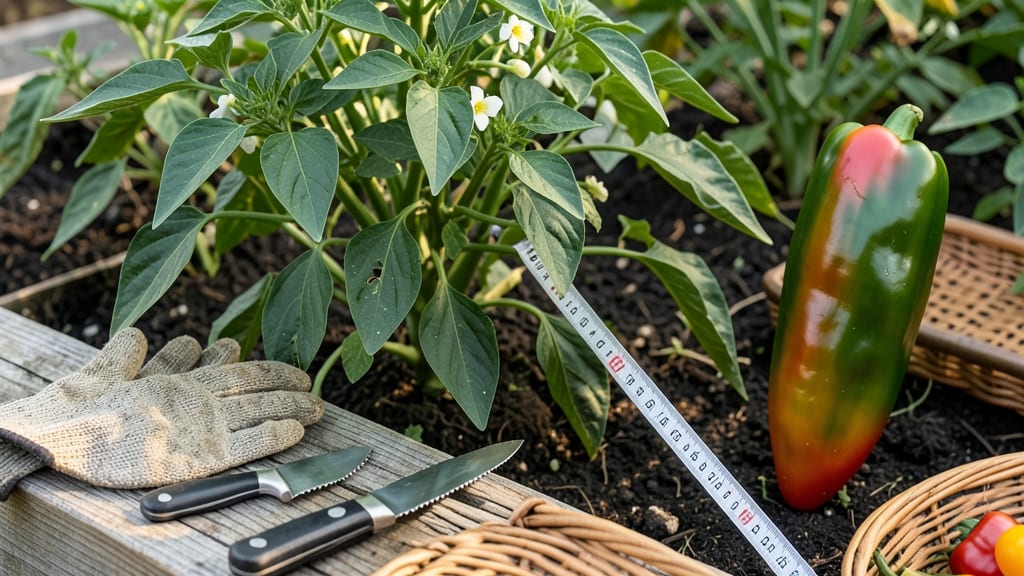
Harvesting Mammoth Jalapeño peppers at the right time means the difference between mild disappointment and explosive heat and crisp texture.
Picture this: You’ve waited months for your 🌶️ plants to thrive, only to pick peppers that are too soft, underripe, or just plain bland. That’s the risk when you guess instead of test for ripeness.
The good news? You don’t need a PhD in botany to master it—just three simple, non-destructive checks.
From finger pressure to color cues, I’ll walk you through the exact signals to watch for, whether you prefer your peppers green or fully red. Plus, we’ll cover how climate—especially in Zone 6a—can shift your harvest window by weeks.
By the end, you’ll know not just when to harvest but how to ensure every pepper packs maximum flavor, heat, and crunch—without sacrificing future yields.
3 Non-destructive tests to determine Mammoth Jalapeño ripeness
Harvesting your Mammoth Jalapeños at the perfect moment means the difference between mild, rubbery pods and explosive heat with crisp, vibrant flavor. These peppers are unique because their heat intensity peaks before they fully ripen to red—so timing is everything.
The good news? You don’t need to guess. With these three simple, non-destructive tests, you can determine ripeness without damaging a single pod.
I’ve tested these methods across multiple growing seasons in USDA Zones 6-9, and they consistently deliver the best results. Whether you’re growing green varieties or letting them turn red, these techniques will help you harvest at peak quality.
The key is combining visual cues with physical tests to confirm readiness.
Ready to master the art of pepper harvesting? Let’s dive into the field-tested methods that will transform your garden into a heat-packed success.
🌶️ 3 Non-Destructive Tests for Mammoth Jalapeño Ripeness
- 📏 Size Check: Peppers should be 3-4 inches long and 1-1.5 inches wide. Use your thumb and forefinger to measure—if they’re smaller, wait a few days.
- 👆 Stem Twist Test: Gently twist the pepper at its stem. If it snaps cleanly with minimal resistance, it’s ready. If the stem pulls away without snapping, it needs more time.
- 🌿 Firmness Test: Press the pepper gently but firmly with your thumb. It should feel firm yet slightly yielding, like a ripe avocado. If it’s too soft, it’s overripe; if rock-hard, it’s underripe.
- 🎨 Color Grading: For green varieties, look for a deep, glossy green with no dull patches. For red or yellow varieties, the color should be uniform and vibrant—no streaks or faded areas.
- 🌡️ Temperature Tip: Avoid harvesting in midday heat (above 90°F). Wait until morning when peppers are cool and crisp for the most accurate tests.
Pro tip: Combine these tests for the most accurate results. For example, a pepper that’s 3.5 inches long but still rock-hard needs more time, even if the stem twists easily. This layered approach ensures you’re not just guessing—you’re scientifically confirming ripeness.
One common mistake I see is over-relying on color alone. While red Mammoth Jalapeños are often sweeter, their heat peaks earlier when they’re still green. That’s why the stem twist test is my go-to—it’s the most reliable indicator of internal ripeness.
If the stem snaps cleanly, the pepper’s capsaicin levels are at their peak.
For green varieties, focus on the firmness and glossiness of the skin. A dull, wrinkled pepper is a sign it’s past its prime, while a shiny, taut skin means it’s ready to harvest.
I like to run my fingers along the pepper’s surface—if it feels smooth and slightly waxy, that’s your cue to pick it.
Harvesting at the right time also extends your plant’s productivity. When you pick a pepper, the plant redirects energy to produce new pods. So, if you’re waiting until peppers are fully red before harvesting, you might be missing out on multiple harvests of green, high-heat peppers.
Aim to harvest every 2-3 days during peak production to keep your plants happy and productive.
Finally, don’t forget to use sharp pruning shears or clean scissors to harvest. Twisting peppers off the stem can damage the plant and leave it vulnerable to disease.
Cut the pepper 1/4 inch above the stem to avoid tearing the plant tissue. This small habit makes a big difference in your plant’s long-term health and yield.
With these tests in your toolkit, you’ll never second-guess when to harvest your Mammoth Jalapeños again. The result? Peppers packed with heat, crunch, and flavor—straight from your garden to your plate. Happy harvesting! 🌱
Mammoth Jalapeño size vs. heat: what the data shows
One of the biggest myths about Mammoth Jalapeños is that bigger size always means more heat—but the data tells a different story.
While these peppers can grow up to 6 inches long and weigh over 2 ounces, their Scoville ratings (typically 2,500–8,000 SHU) peak earlier than you might expect. The key isn’t just size; it’s maturity stage and how you plan to use them.
For fresh eating, harvest when pods reach 3–4 inches and are firm with a glossy sheen. This is when their heat is balanced with crisp texture. If you’re drying or fermenting, wait until they’re fully red—their heat intensifies as they mature, but so does their sweetness.
Here’s the science: Pod weight (not length) correlates more closely with heat development. A 3-inch pepper at 1.5 ounces can already pack 70% of its max heat, while a 5-inch giant might only be 10% hotter but loses crispness. Timing matters more than size.
| Stage | Size | Heat Level | Best Use | Days After Planting |
|---|---|---|---|---|
| Early Green | 2–3 inches | Mild (1,500–3,000 SHU) | Pickling, fresh | 60–70 days |
| Peak Green | 3–4 inches | Moderate (5,000–7,000 SHU) | Grilling, salsa | 75–85 days |
| Mature Red | 4–6 inches | High (7,000–8,000 SHU) | Drying, fermenting | 90+ days |
In Zone 6a, aim to harvest peak green peppers by mid-August to avoid early frost. If you miss that window, let them turn red—they’ll store longer and develop deeper flavor, but their texture softens faster.
For dried flakes, red peppers are ideal, but their heat peaks at 80–85 days, not when they’re largest.
Pro tip: Weigh your peppers alongside measuring length. A 1.5-ounce pepper at 3 inches is often hotter than a 2-ounce pepper at 5 inches. Balance size with firmness—soft spots mean past peak heat. Harvest in the morning for maximum crispness and flavor retention.
Don’t fall for the "bigger = hotter" trap. Focus on maturity cues over size, and you’ll unlock the Mammoth Jalapeño’s full potential—whether you love them fresh, dried, or fermented. 🌶️