
Vegetables
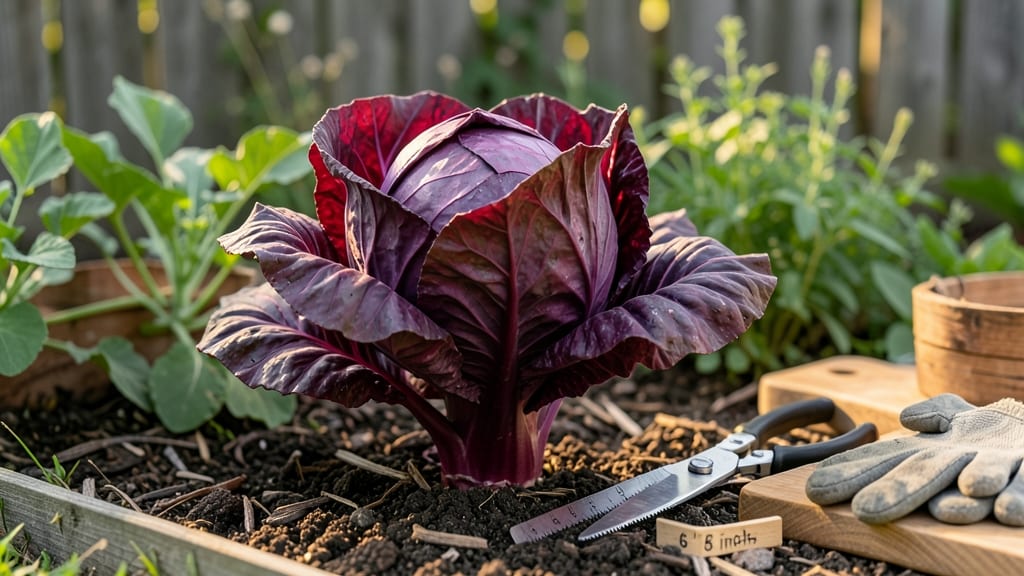
Harvesting red cabbage at the right time means the difference between a crunchy, vibrant 🥬 and a limp, flavorless mess.
Picture this: you’ve nurtured your red cabbage for months, only to pull it too early and end up with a sad, underdeveloped head. Or worse, you wait too long, and the leaves split open, leaving you with a ruined harvest.
Timing is everything, and getting it right ensures your cabbage stays fresh, flavorful, and ready for everything from stir-fries to fermented sauerkraut.
Most red cabbages are ready to harvest around 80 days after planting, but the real trick is knowing when they’re perfectly ripe. Look for firm, compact heads with deep, consistent color—no yellowing or soft spots.
The outer leaves should still be tightly wrapped, and the stem should snap cleanly when bent, not bend like a noodle.
In this guide, I’ll walk you through the exact visual cues to watch for, how climate and season shift your harvest window, and a few pro tips to keep your red cabbage tasting fresh long after you pull it from the soil.


3 Visual tests to determine perfect red cabbage harvest time
Knowing exactly when to harvest red cabbage transforms your garden from a source of mediocre veggies to a treasure trove of crisp, vibrant produce. Unlike green cabbage, red cabbage's stunning purple-red hues and sweet-tart flavor peak at specific maturity stages.
Miss the window, and you'll end up with either floppy, pale heads or tough, split cabbages that lose their signature color. The good news? Three simple visual tests will tell you precisely when to pick.
First, let's address the biggest mistake gardeners make: harvesting based on days after planting. While red cabbage typically matures in 70-100 days, environmental factors like temperature and sunlight can shift this window by 2-3 weeks.
That's why visual cues matter more than calendar dates. Your cabbage's color intensity, leaf firmness, and head structure provide foolproof signals that the plant is ready for harvest.
Look for heads where the outer leaves show rich, consistent purple-red (not green or pale). The inner leaves should also maintain this color when you peek inside.
Gently press the head—it should feel solid and dense, like a tightly packed football. If it feels spongy or loose, it's not ready.
Bend the main stem near the base—it should snap cleanly (not bend or tear). This indicates optimal moisture levels and structural integrity.
Let's break down the color test first, as this is where many gardeners go wrong. The vibrant purple-red of red cabbage develops fully only when the head reaches maturity. Immature cabbages often show green streaks or pale patches, especially in cooler climates.
For example, if you're growing in USDA Zone 5, your spring-planted cabbage might need 2-3 extra weeks to develop full color compared to Zone 8. Pro tip: Use a white plate as a backdrop to check color accuracy—it enhances the true hue.
The firmness test is your secret weapon against mushy, waterlogged cabbage. Overwatering or heavy rainfall before harvest can make heads feel soft and spongy, even if they're the right size. To test, press your thumb into the outer leaves.
They should spring back immediately, not leave a dent. If you notice yellowing leaves at the base, this is a sign of overmaturity—your cabbage has been in the ground too long and is starting to break down.
Don't overlook the stem snap test, which reveals the internal quality of your cabbage. A clean snap means the vascular system is intact and the head is hydrated properly.
If the stem bends instead of snapping, your cabbage likely has low moisture content and may be tougher to eat. This test is especially critical in dry climates or during hot summer months, when red cabbage can become woody and bitter if not harvested at the right time.
Timing your harvest based on these tests ensures you get cabbage with peak texture and flavor. For example, if your cabbage passes all three tests in June but your first frost isn't until October 15th, you have a 4-month window to enjoy fresh harvests.
In warmer climates, like Zone 10, your fall-planted cabbage might be ready by September, giving you time to store or ferment before winter.
Here's a pro move: Harvest in the morning after the dew has dried but before the midday heat sets in. This preserves crispness and color longer. Use a sharp knife or pruners to cut the head 1-2 inches above the base, leaving the outer leaves intact.
These leaves can regrow into a second, smaller head in about 2-3 weeks, giving you a bonus harvest!
One common question is whether to harvest individual leaves or the whole head. For red cabbage, always harvest the entire head at once. The leaves are tightly bound and designed to mature together.
If you pick leaves individually, you'll stress the plant and likely end up with loose, uneven heads that lack the signature crunch and sweetness.
Remember, seasonal variations play a huge role. In cool climates, red cabbage often matures slower and develops deeper colors. In hot climates, it may mature faster but with less vibrant hues.
Always adjust your expectations based on your local growing conditions. With these visual tests, you'll never second-guess your harvest timing again!
How climate and growing conditions affect red cabbage harvest timing
Red cabbage thrives in cool-season climates, but your harvest timing depends heavily on temperature fluctuations and daylight exposure. In USDA Zone 6a, spring-planted cabbage typically matures in 80-100 days, while fall crops take slightly longer due to shorter daylight.
Understanding these conditions helps you avoid bitter flavors or loose heads—common issues when timing is off.
Warm temperatures above 75°F (24°C) trigger bolting, causing your cabbage to flower prematurely. Meanwhile, frost-sensitive varieties need protection before 28°F (-2°C). Soil moisture also plays a critical role—drought stress leads to tough leaves, while overwatering can cause splitting.
Balancing these factors ensures your harvest stays crisp and vibrant.
Climate zone and seasonal shifts dramatically alter harvest windows. For example, in cooler coastal regions, you can plant red cabbage as early as February, while inland areas may need to wait until March or April. Similarly, fall plantings in Zone 6a should occur by August to avoid winter frost damage.
| Condition | Cool-Season Growing (Spring/Fall) | Warm-Season Growing (Summer) |
|---|---|---|
| Temperature Range | 50-70°F (10-21°C) | Above 75°F (24°C) → Risk of bolting |
| Daylight Hours | 12-14 hours (spring) / 10-12 hours (fall) | Longer days accelerate growth but reduce sweetness |
| Soil Moisture | Consistent, 1-2 inches/week | Increase to 2-3 inches/week; mulch to retain moisture |
| Harvest Window | June-July (spring) / Oct-Nov (fall) | Avoid summer plantings; use shade cloth if necessary |
| Frost Tolerance | Light frost (28-32°F) enhances sweetness | Not frost-tolerant; harvest before first frost |
In cool-season climates, red cabbage benefits from light frosts, which convert starches to sugars, enhancing sweetness. However, heavy frost can damage leaves, so plan harvests just before 28°F (-2°C).
For warm-season adjustments, use shade cloth to protect plants from heat stress, or opt for bolting-resistant varieties like 'Ruby Perfection' if summer planting is unavoidable.
Soil conditions also influence timing. Well-draining, slightly acidic soil (pH 6.0-7.0) prevents waterlogged roots, which can delay maturity. Amend heavy clay with compost to improve aeration, and avoid nitrogen-heavy fertilizers late in the season, as they promote leafy growth over head formation.
Instead, use a balanced 5-10-10 fertilizer every 4-6 weeks for steady development.
Monitor leaf color and head firmness as your final cues. In cool weather, heads should reach 6-8 inches in diameter with deep purple-red hues. If planted in warmer months, prioritize harvesting when heads are firm but not split, even if slightly smaller.
This minimizes bitterness and maximizes storage life.