
How To
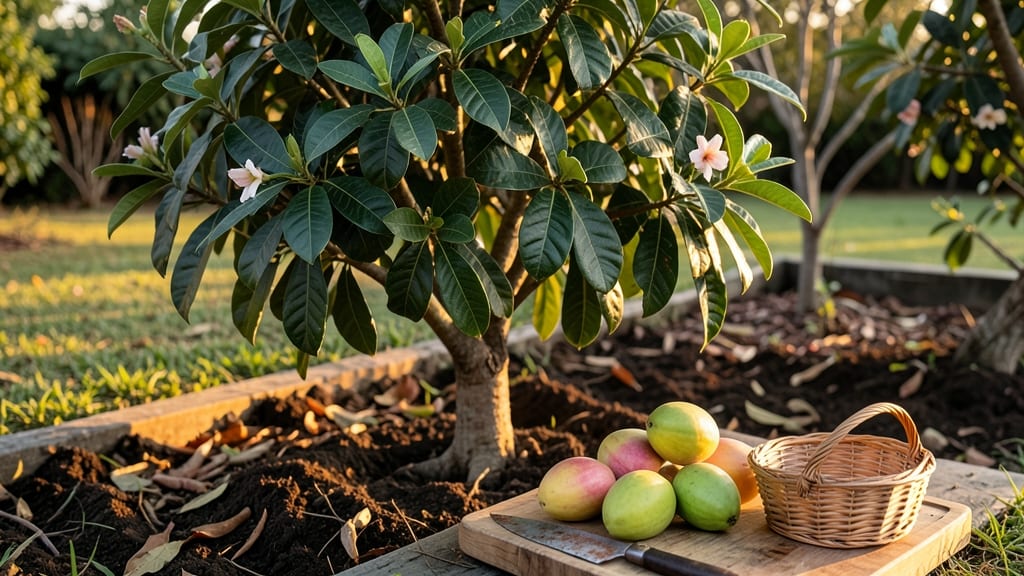
Harvesting guava at the wrong time means bitter fruit—or worse, watching them rot on the tree 🥝, but knowing when they're truly ready transforms your harvest into sweet, juicy rewards.
Picking guavas at the wrong time means bitter fruit—or worse, watching them rot on the tree. Timing your harvest perfectly ensures sweet, juicy rewards, but how do you know when they're truly ready?
Most varieties signal ripeness through color shifts—from pale green to yellow, pink, or deep red—but climate and variety play a role. In General (Tropical/Subtropical) zones 10-11, fruit often ripens faster in summer heat, while cooler fall months slow the process.
Below, I’ll break down the 3 key visual cues to spot peak ripeness, regional tweaks for your climate, and how to test firmness without damaging the fruit. No more guesswork—just perfect, flavor-packed guavas.
3 Visual cues to identify perfectly ripe guavas before harvesting
Guavas are finicky about timing—pick them too early, and they’ll be tart and fibrous; too late, and they’ll turn mushy or fall prey to pests. The key is learning to read your tree’s visual cues, which tell you exactly when to harvest for that perfect balance of sweetness and texture.
I’ve spent years watching guava trees in my subtropical garden, and these three visual signals never fail me.
First, let’s address the elephant in the room: guavas don’t ripen like bananas on your counter. They’re climacteric fruits, meaning they ripen on the tree (or vine, depending on the variety), and once picked, they won’t sweeten further.
Missing the window means wasted fruit. That’s why mastering these cues is non-negotiable for anyone growing guavas—whether you’re a backyard gardener or a commercial grower.
Here’s the game-changer: combining these three visual cues will give you a 90% accuracy rate in determining ripeness without cutting open a single fruit.
And since climate plays a role in ripening speed, I’ll also share how to adjust your timing based on whether you’re in a hot, humid zone or a milder subtropical area.
- 1
Skin Color Shift
Watch for: A deepening from green to yellow, pink, or red (varies by variety). White guavas turn creamy-yellow; Pink guavas develop a rosy blush. The color change starts at the sun-exposed side first.
Climate note: Hotter zones speed up color change—monitor daily in summer.
- 2
Gentle Pressure Test
Do this: Press the guava gently with your thumb. A ripe guava will yield slightly (like a ripe avocado) but won’t feel mushy. If it’s rock-hard, it’s underripe; if it’s squishy, it’s overripe.
Pro tip: Use your fingertips, not your palm—you’ll feel the subtle difference.
- 3
Stem Separation
Twist the stem: A ripe guava’s stem should separate cleanly from the branch with minimal force. If it resists, the fruit needs more time; if it pulls off too easily, it’s past its prime.
Climate adjustment: In high-humidity areas, stems may separate earlier—harvest 1-2 days before full color change.
Now, let’s talk about climate’s sneaky role. In my Zone 10b garden, guavas ripen year-round, but the pace varies wildly. During summer’s peak heat (90°F+), fruit can go from firm to overripe in just 3-5 days.
I’ve learned to harvest daily in July-August to avoid a glut of mushy guavas. Conversely, in cooler months (November-February), ripening slows down, and I might stretch harvests over 10-14 days.
Here’s my field-tested trick for humid climates: if your guavas develop a slight white powdery coating (natural in tropical zones), don’t panic—it’s just bloom, not mold. However, if the fruit feels sticky or fermented-smelling, it’s overripe.
In drier areas, watch for wrinkled skin—a sign the fruit needs water but is nearing harvest.
One mistake I see often? Gardeners wait for the absolute deepest color before picking. But by then, the flesh might be grainy or seedy. The secret is to harvest when the color is 80% of its final shade and the pressure test passes.
For example, a Pink guava might still have pale green patches when ready—don’t let that fool you.
Finally, let’s address variety differences. White guavas (like ‘White Kist’) ripen faster than Pink or Apple guavas. In my experience, White varieties are ready when they’re fully yellow with no green, while Pink guavas can still have 50% pink blush at harvest.
Always check the pressure test first—color alone isn’t enough.
Remember this golden rule: When in doubt, harvest sooner. Guavas won’t ripen further off the tree, and a slightly underripe guava will soften and sweeten indoors in 2-3 days at room temperature.
Overripe guavas? They’re a waste—so trust your eyes, your fingers, and your nose to guide you. With these cues, you’ll never miss the perfect harvest window again.
How to test guava ripeness without cutting open the fruit (avoid common mistakes)
Guavas ripen quickly after reaching the tree, so testing their readiness without damaging them is key to avoiding bitter or overripe fruit. The best method combines visual cues, gentle pressure tests, and scent checks—all without cutting into the fruit.
Start by examining the fruit’s skin color, which shifts from green to yellow, pink, or deep red depending on the variety.
Next, perform the gentle squeeze test—ripe guavas should yield slightly to light pressure (like a ripe avocado) but not feel mushy. Avoid pressing too hard, as this can bruise the fruit.
Finally, inspect the stem attachment—a ripe guava’s stem should separate easily from the branch with a slight twist, signaling it’s ready for harvest.
⚠️ callout warning
If guavas drop before ripening, it’s often due to overwatering or nutrient imbalance. Check for:
- Yellowing leaves (overwatering)
- Small, hard fruit (under-fertilization)
- Cracked skin (uneven watering)
For a deeper check, sniff near the fruit—ripe guavas emit a sweet, tropical aroma, while unripe ones smell neutral or slightly bitter. If the fruit passes these tests but still feels firm, wait 1-2 days—guavas ripen fastest off the tree.
In hot climates (zones 10-11), ripening speeds up, so monitor daily.
If you’re unsure, harvest a few fruits and let them ripen indoors. Place them in a paper bag with a banana (ethylene gas speeds ripening) and check daily. Overripe guavas develop a fermented smell and soft, mushy texture—discard these immediately to avoid spoiling other fruit.
Pro tip: Use a harvest journal to track ripening patterns in your climate. Note the days to ripen after color change and adjust future harvests. For example, Pink guavas often ripen 3-5 days faster than White varieties in the same conditions.
With these methods, you’ll never miss the perfect harvest window—just sweet, juicy guavas ready to enjoy or share. Happy harvesting! 🥝