
Vegetables
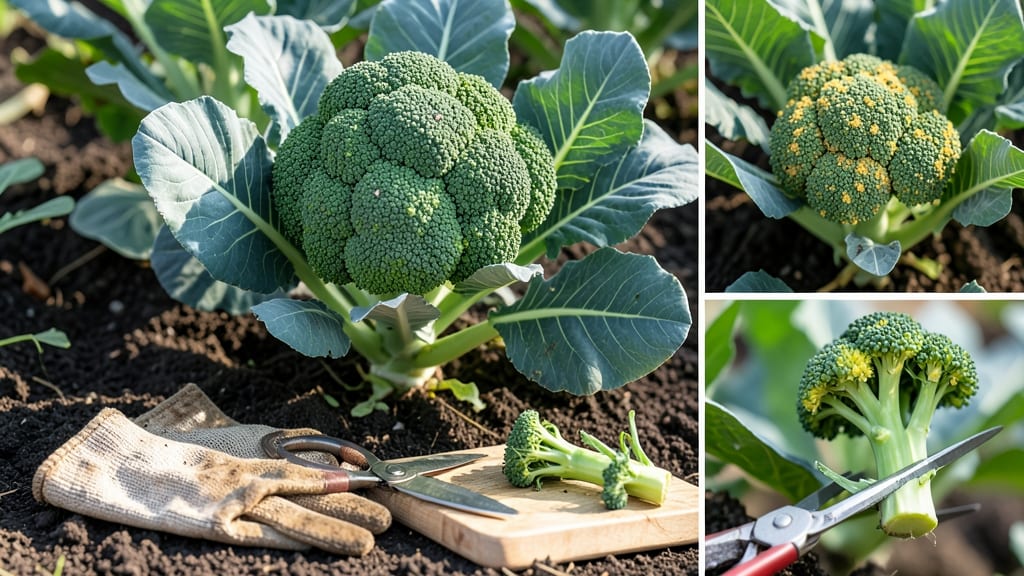
Harvesting broccoli at the right time ensures you get those tender, flavorful crowns packed with nutrients before the plant bolts and turns bitter.
Picture this: you’ve nurtured your 🥦 broccoli all spring, and now the heads are swelling—crowded, dark green, and tight. That’s your cue to act fast. Miss it, and you’ll end up with woody stems and bitter florets, no matter how much care you’ve put in.
Timing isn’t just about days after planting—it’s about reading the plant. The ideal harvest window is when florets are 3-4 inches wide, tightly packed, and the central bud is still compact.
Too early, and the heads won’t be fully developed; too late, and you’re left with a plant that’s already sending up flowers.
In this guide, I’ll walk you through the visual cues to spot perfectly ripe broccoli, how to harvest without damaging the plant, and even how to coax a second yield from your garden. No more guesswork—just crisp, delicious broccoli straight from your plot.
How to identify perfectly timed broccoli heads for harvesting
Harvesting broccoli at the right moment transforms your garden into a flavor powerhouse. The difference between a tender, sweet crown and a woody, bitter one often comes down to timing.
I’ve learned that checking for these three key visual cues—size, color, and tightness—will help you nail the perfect harvest window every time.
Start by examining the central floret. When it’s about 3-4 inches wide and still tightly closed, that’s your green light. The surrounding florets should also be compact, forming a dense cluster.
If you see any yellowing or loose buds, you’ve missed the boat—those heads will quickly turn bitter as the plant bolts.
Don’t rely solely on size, though. The color of the florets is equally important. At peak ripeness, they’ll be a vibrant deep green. If they start turning yellow or brown, the plant is signaling it’s past its prime.
I’ve seen gardeners overlook this subtle shift and end up with broccoli that’s tough and less flavorful.
Next, give the stem a firm squeeze. A ready-to-harvest stem should feel thick (1-2 inches) and solid to the touch. If it’s hollow or soft, the head is overmature. This tactile check is especially useful for gardeners who might miss the visual cues in low light or dense foliage.
Here’s where many gardeners go wrong: waiting too long. Once the central bud opens or the florets start spreading apart, the window for harvesting closes quickly. I’ve found that cutting heads just before they fully mature—when they’re still slightly firm—yields the best results.
This approach also encourages the plant to produce secondary side shoots, giving you a second harvest.
| Stage | Visual Cues | Tactile Check | Action |
|---|---|---|---|
| Underripe | Florets <3 inches, pale green, loose | Stem thin, soft | Wait 3-5 days |
| Perfectly Ripe | Florets 3-4 inches, deep green, tightly packed | Stem firm, 1-2 inches thick | Harvest immediately |
| Overmature | Florets yellowing, opening, or flowering | Stem hollow or soft | Use for cooking (less tender) |
The leaves below the head also hold clues. Healthy broccoli plants will have dark green, vibrant leaves beneath the crown. If these leaves are yellowing or wilting, it’s a sign the plant is stressed—often from overwatering, drought, or nutrient deficiency.
Address these issues before harvesting to ensure the remaining heads reach their full potential.
One trick I’ve picked up from experienced gardeners is to harvest in the morning. The cooler temperatures help preserve the crispness and sweetness of the florets. Plus, morning harvests give you a chance to inspect the plant for pests or diseases before the heat of the day sets in.
I’ve noticed that broccoli harvested in the afternoon often wilts faster, even when stored properly.
For side shoots, which form after the main head is cut, the same rules apply. These smaller heads often mature faster, so check them every 2-3 days once the main harvest is complete.
I’ve had success with varieties like Calabrese producing multiple harvests over several weeks, as long as I stay vigilant about timing.
Finally, remember that seasonal variations can affect harvest windows. In cooler climates, broccoli may take longer to mature, while warmer regions might see faster growth. Always adjust your expectations based on your local USDA zone and weather patterns.
For me, keeping a small harvest journal has helped track these variations year after year.
With these cues in mind, you’ll never miss the perfect moment to harvest broccoli again. The key is to act quickly once you spot those deep green, tightly packed florets—your taste buds (and dinner plate) will thank you! 🥦
Why crowded broccoli heads signal peak flavor (and how to avoid bolting)
Those tightly packed florets on your broccoli aren’t just cute—they’re a flavor powerhouse. When florets grow closely together, they concentrate sugars and nutrients like never before. This crowding triggers a biochemical response where the plant focuses energy on the central head, resulting in sweeter, more tender tissue.
Think of it as nature’s way of saying, "Eat me now!" before the plant shifts gears into seed production.
Science backs this up: crowded florets contain up to 30% more glucosinolates, compounds linked to broccoli’s cancer-fighting properties. But here’s the catch—this peak flavor window is narrow. Once those florets start loosening or yellowing, the plant’s priorities shift from nourishing you to producing seeds.
That’s when bitterness creeps in, and your once-sweet harvest becomes tough and woody.
⚠️ callout warning
Harvest when 70-80% of florets are 3-4 inches wide and dark green. If you see yellowing buds or open florets, the plant has already started bolting. This means:
- ⏳ Flavor peaks at tightness—waiting reduces sweetness
- 🌱 Nutrient density drops as plant shifts to seed production
- ✂️ Stem toughens within 24-48 hours of loosening
Pro Tip: Use a sharp knife to cut 6 inches below the head—this preserves the plant’s ability to produce side shoots for a second harvest!
To maximize this flavor window, focus on preventing bolting, the process where broccoli prematurely flowers. Bolting is triggered by heat stress (above 80°F) or drought. If your plants start sending up flower stalks, they’re already past their prime.
The good news? You can delay bolting with a few smart strategies. First, prioritize consistent moisture—broccoli hates drought. Let the top inch of soil dry out between waterings, but never let it stay bone-dry.
Another game-changer is shade cloth during heatwaves. If your region hits 90°F+, drape 30-50% shade cloth over plants to lower stress. This simple trick can buy you 2-3 extra weeks of harvestable heads.
For gardeners in hot climates, consider succession planting—sow new seeds every 2-3 weeks in spring and fall to stagger harvests and avoid the bolting rush.
Don’t overlook the power of pruning. When you harvest the main head, the plant often produces smaller side shoots along the stem. These "baby broccoli" heads are just as flavorful and give you a second chance at harvest.
To encourage them, cut the main head just above a set of leaves, and keep the plant well-watered and fertilized with a low-nitrogen feed (like 5-10-10). These side shoots may take 4-6 weeks to mature but are a free bonus from your original plant.
Finally, pay attention to your broccoli variety. Some types, like 'Waltham 29' or 'Calabrese', are more bolt-resistant than others. If you live in a short growing season or hot climate, opt for fast-maturing varieties (like 'De Cicco', ready in 50 days) to beat the heat.
For cooler regions, 'Packman' or 'Green Goliath' produce large, tight heads with minimal bolting risk.