
Vegetables
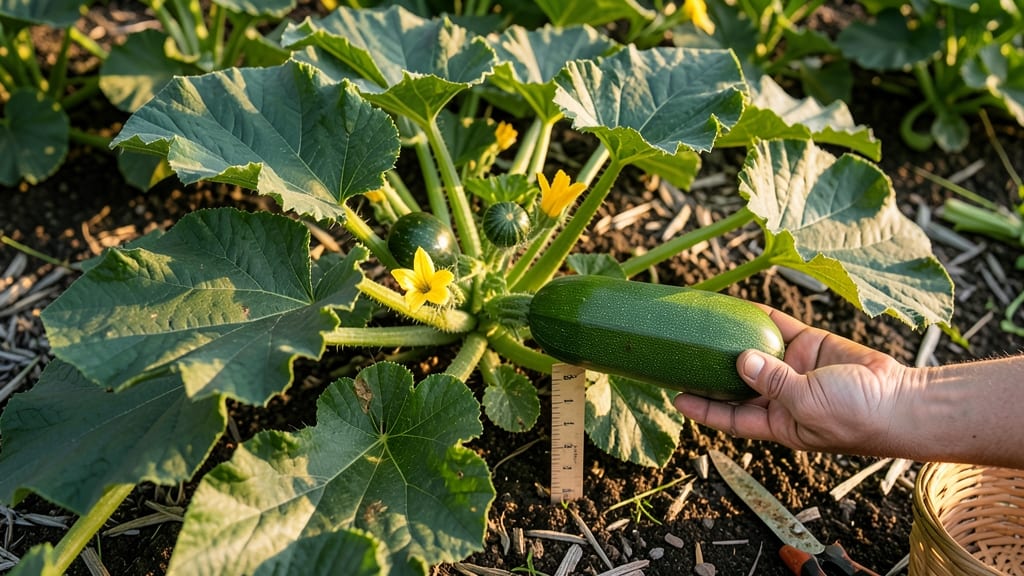
Harvest round zucchini when they reach 6–8 inches long for the sweetest, most tender flavor — that’s the window between too small and too late.
Picture this: you’re about to slice into a 🎃 that’s already sprouted flowers, and the taste is bitter, the seeds huge, and you’re left wondering where the time went.
That’s the cost of waiting too long, and it’s a mistake even experienced gardeners make when the harvest season kicks into high gear.
But here’s the good news: timing your harvest isn’t just about size. You’ll also learn to check for firm skin, deep color, and the right stem snap — all clues that tell you the moment is now.
Miss these cues, and you risk bolting, where the plant shifts its energy from fruit to seeds, leaving you with a garden full of oversized, inedible zucchini.
Below, I break down the three key checks to harvest at peak flavor, how to avoid the common pitfalls of overgrowth, and when to pull the trigger (or the knife) for the best results all summer long.
3 Perfect size checks to harvest round zucchini at peak flavor
Harvesting round zucchini at the right time ensures sweet, tender flesh and prevents your plants from bolting too early. The key is catching them between 3 and 6 inches in diameter—this sweet spot delivers the best texture and flavor.
Smaller zucchini (under 3 inches) are edible but often lack the full, rich taste, while larger ones become tough, seedy, and bitter.
Timing matters because zucchini grow rapidly—sometimes 1 inch per day—so daily checks are essential during peak growing season (typically July through August in temperate zones).
Waiting just a few days past ideal size can trigger bolting (flowering), which signals the plant to focus on seeds instead of fruit production.
Here’s my foolproof method: I combine three simple checks—size, skin firmness, and color—to guarantee peak harvests every time. Mastering these cues will transform your zucchini game from hit-or-miss to consistently delicious.
🎃
| Check | Ideal Condition | Flavor Impact | Visual Cue |
|---|---|---|---|
| Size | 3–6 inches in diameter | Sweet, tender, minimal seeds | Fits in palm of hand |
| Skin Firmness | Resists gentle thumbnail pressure | Crisp texture, no bitterness | Skin doesn’t dent easily |
| Color | Deep, consistent green (no yellowing) | Rich, balanced flavor | Glossy, vibrant appearance |
The 3–6 inch rule is my golden standard because it balances harvest frequency with plant health. Zucchini this size are easy to handle (no awkward oversized squash!) and pack the most flavor.
I’ve found that harvesting at this stage also encourages plants to produce more fruit—they’re less likely to bolt prematurely when you’re consistently picking.
For a visual reference, imagine a softball (6 inches) as your upper limit. Anything larger risks becoming woody and seedy. Pro tip: Use a measuring tape or your hand as a guide—a zucchini should fit comfortably in your palm when ready.
This method works even for bush varieties like 'Eight Ball' or 'Patio Star' that stay compact.
Skin firmness is my secret weapon for non-size-based harvesting. Press your thumbnail gently against the zucchini’s skin—if it doesn’t dent, it’s ready. Soft skin means the zucchini’s still maturing, while overly firm skin (like a rock) signals it’s past prime.
This trick is especially useful for irregular-shaped zucchini that might not fit the standard size range.
Color consistency is often overlooked but critical. A deep, even green indicates maturity without overripeness. Watch for yellowing or blotches, which are red flags for bolting or pest damage.
I’ve seen zucchini turn bitter overnight when left on the vine too long—always prioritize color checks during hot afternoons when stress signs appear most clearly.
🌱
Harvesting at the right size isn’t just about flavor—it’s about plant productivity. When zucchini grow too large, they compete for nutrients, weakening the plant and reducing future yields.
I’ve had seasons where I ignored size checks, and by August, my plants were covered in flowers with almost no fruit. The lesson? Harvest small, harvest often to keep your zucchini plants happy and productive.
For container gardeners, size checks become even more critical because space is limited. In pots, zucchini grow faster due to warmer root zones, so I harvest mine when they’re 4–5 inches to prevent overcrowding.
Use a sharp knife or pruners to cut stems cleanly, leaving a 1-inch stub to avoid disease entry points.
Remember: Daily harvesting during peak season (July–August) is ideal, but even every other day works if you’re busy. The goal is to stay ahead of growth—once your zucchini start bolting, you’ve lost the flavor race. With these three checks, you’ll enjoy sweet, tender zucchini all season long.
How to tell when round zucchini is overripe (and how to fix it)
If you’ve ever bitten into a zucchini that’s tough, bitter, or packed with giant seeds, you’ve experienced the downside of waiting too long to harvest. Overripe zucchini isn’t just less flavorful—it signals your plant has shifted into bolting mode, where it produces flowers and seeds instead of tender fruit.
The good news? You can still salvage your harvest with the right steps.
Recognizing overripeness early saves your garden from wasted energy. Look for woody stems, a bitter taste, and flowers sprouting from the fruit. These signs mean your zucchini has gone past its prime, but don’t toss the plant—it can still produce more if you act fast.
Below, I’ll walk you through the key indicators and how to reset your plant for future harvests.
⚠️ Overripe Zucchini Warning Signs
🎃 Size: Larger than 8 inches (often 10+ inches)
🌱 Stem: Hard, woody texture (no longer tender)
🤏 Skin: Thick, leathery (doesn’t dent easily)
🌻 Flowers: Yellow blooms on the fruit (bolting)
👅 Taste: Bitter or mealy (seeds are large and hard)
💡 Action: Harvest immediately and prune flowers to redirect energy to new fruit.
Once you spot these signs, your first move is to harvest the overripe zucchini—even if it’s not ideal for eating. Use it in baked goods or compost it to avoid wasting effort. Next, focus on the plant itself.
If it’s already bolting, prune the flowers (the small yellow blooms) to stop seed production. This redirects the plant’s energy back to producing new fruit instead of wasting it on seeds.
For stubborn cases, try a light fertilizer boost with a balanced 10-10-10 mix to encourage regrowth. Water deeply at the base (avoid wetting leaves to prevent disease) and mulch around the plant to retain moisture.
With these steps, you can often coax another round of harvests from the same plant—just don’t expect the same volume as early in the season.
Prevent future overripeness by harvesting every 2–3 days during peak production. When zucchini reach 6–8 inches, they’re at their sweetest. Set a reminder or check your plants daily—consistency is key to avoiding the bitter, seedy fate of neglected zucchini.
With practice, you’ll train your eyes to spot the perfect harvest window before it’s too late.
If your plant is already past its prime and bolting heavily, consider letting it go. While you can salvage a few more zucchini, the plant’s energy will shift entirely to seeds, reducing future fruit production.
Use this as a learning moment for next season’s spacing and harvesting schedule—and maybe invest in a second planting for a staggered harvest!