
How To
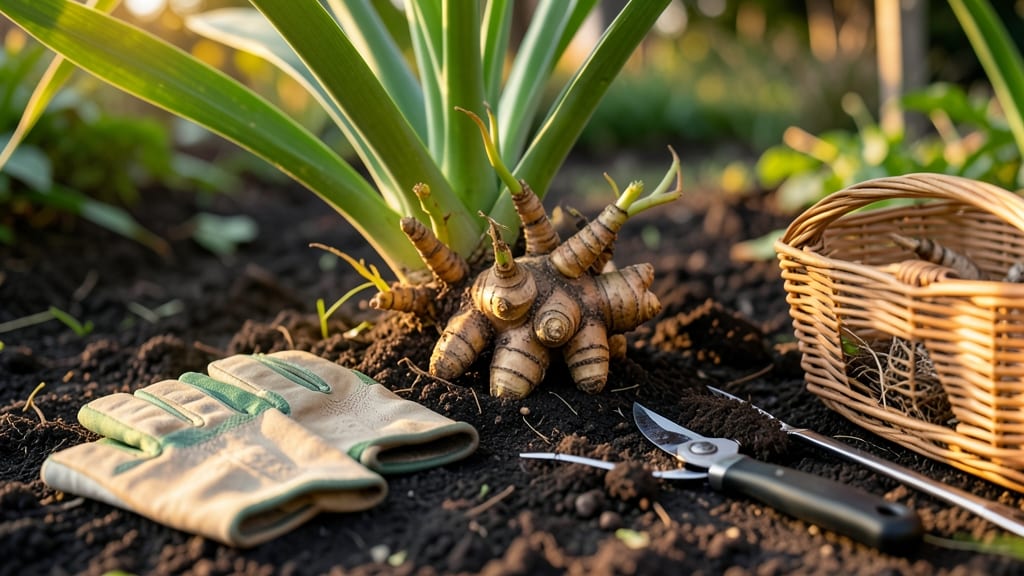
Harvesting ginger at the right time ensures bold flavor and plump rhizomes—wait too long, and you risk tough, fibrous roots that lose their punch 🌿.
Most gardeners pull ginger when the leaves yellow and die back, but that’s just the start. The real secret lies in the knuckle test—pressing your finger into the rhizome to check firmness—and knowing when your climate’s frost risks force an early harvest.
Miss these cues, and you might end up with bitter, undersized roots or wasted effort.
In Zone 6, where frost hits by late October, ginger typically matures in 9–12 months, but tropical growers can wait longer. Below, I’ll walk you through the exact signs to dig—from soil probing to leaf color—and how to cure your harvest for maximum shelf life.
Whether you’re growing ginger for cooking, medicine, or just the thrill of pulling a pound of fresh rhizomes from the ground, timing is everything. Let’s get you harvesting like a pro.
How to use the ginger knuckle test and soil probing for perfect harvest timing
Harvesting ginger at the right time transforms your homegrown rhizomes from bland to bold, packed with gingerol—the fiery compound that gives ginger its kick. The knuckle test and soil probing are my go-to methods to nail the perfect harvest window, ensuring your ginger is both flavorful and storage-ready.
Skip these steps, and you risk digging up tiny, underdeveloped roots or waiting too long for shriveled, woody rhizomes.
Most gardeners focus on foliage color or rhizome size, but the real magic happens underground. The knuckle test lets you gauge rhizome firmness without digging, while soil probing reveals moisture and root development.
Together, they’re a foolproof way to time your harvest for maximum potency and yield. Let’s break it down so you can pull your ginger at its peak.
Step-by-Step Guide to Harvesting Ginger
- Step 1: Wait for foliage yellowing—when 50% of leaves turn golden-brown and die back naturally. This usually happens 9–12 months after planting.
- Step 2: Perform the knuckle test: Gently press your fingertip into the soil near the plant base. If the rhizomes yield slightly (like pressing a ripe tomato), they’re ready.
- Step 3: Use a soil probe (or a long screwdriver) to check rhizome size. Probe 2–3 inches deep—if you hit a 2–3 inch thick rhizome with a smooth skin, it’s harvest-ready.
- Step 4: Dig carefully with a fork or spade, lifting the entire plant to avoid breaking rhizomes. Shake off excess soil to inspect for plump, firm roots.
- Step 5: Cure your harvest: Rinse roots, then soak in water for 2 hours to remove dirt. Lay them in a shady, dry spot for 5–7 days to develop a protective skin before storing.
The knuckle test is my favorite trick because it’s non-invasive and works even if you’re not sure when you planted your ginger. Press your fingertip into the soil near the plant’s base—if the rhizome feels firm but slightly yielding (like a ripe avocado), it’s ready.
This method saves you from digging up premature roots, which can be woody and bitter if harvested too early.
For a more precise check, soil probing lets you assess rhizome size without damaging the plant. Use a long screwdriver or soil probe to gently insert it 2–3 inches deep near the plant’s base.
If you hit a smooth, plump rhizome that’s at least 2 inches thick, it’s time to harvest. Probing also helps you avoid waterlogged soil, which can cause rhizomes to rot before they mature.
Visual cues above ground are just as critical. Look for foliage turning yellow and dying back—this signals the plant is redirecting energy to the rhizomes. If you see brown, crispy leaves but the rhizomes still feel small or soft, wait 1–2 more weeks.
Overlooking this sign often leads to small, underdeveloped roots that lack the bold flavor you’re after.
Harvesting ginger too early is a common mistake that results in small, fibrous rhizomes with minimal gingerol content. These roots are often bland and woody, making them less ideal for cooking or fresh use.
On the flip side, waiting too long can lead to shriveled, tough roots that lose their potency. The knuckle test and soil probing help strike the perfect balance, ensuring your ginger is plump, firm, and packed with flavor.
Once you’ve confirmed your ginger is ready, dig carefully to avoid damaging the rhizomes. Use a fork or spade to lift the entire plant, then gently shake off excess soil. Inspect each rhizome for smooth skin and firm texture—these are signs of a high-quality harvest.
If you spot any soft or discolored spots, those rhizomes may have started to rot and should be discarded.
After harvesting, curing is key to preserving your ginger’s quality. Rinse the roots thoroughly to remove all soil, then soak them in water for 2 hours to rehydrate. Lay them out in a shady, well-ventilated area for 5–7 days to dry slightly.
This process helps develop a protective skin and enhances flavor. Store cured ginger in a cool, dark place for up to 6 months.
For maximum gingerol content (the compound responsible for ginger’s heat and aroma), aim to harvest when the rhizomes are 2–3 inches thick and the foliage has mostly died back. This timing ensures your ginger is both flavorful and storage-friendly.
If you’re growing ginger for immediate fresh use, you can harvest slightly earlier, but you’ll sacrifice some of that signature kick.
Pro tip: If you’re in a tropical climate, ginger may mature faster—keep an eye on those foliage changes and adjust your harvest timing accordingly. In cooler zones, ginger might take longer to reach maturity, so be patient and use the knuckle test to avoid premature digging.
With these methods, you’ll always know exactly when to pull your ginger for the best results.
Ginger harvesting by season: month-by-month guide for tropical vs. temperate climates
Ginger thrives in warm climates but adapts to cooler zones with adjusted timelines. In tropical regions, ginger typically matures in 8–10 months, while temperate climates like Zone 6 need 9–11 months due to slower growth.
Frost risks in fall force early harvests, but tropical growers can wait until leaves fully yellow. Understanding these seasonal differences ensures you pull rhizomes at peak flavor and size.
Your harvest window depends on when you planted. Spring-planted ginger in temperate zones often matures by late fall to early winter, while fall-planted crops may not be ready until next spring.
Tropical varieties, however, can be harvested year-round with proper care. Below, I’ve mapped out the ideal months for both climates to help you plan ahead.
| Climate Type | Planting Time | Harvest Window | Key Signs | Frost Risk |
|---|---|---|---|---|
| Tropical | Year-round | 8–10 months | Leaves yellow, rhizomes 2–3" thick | None |
| Temperate (Zone 6) | Spring (April–May) | 9–11 months (Oct–Dec) | Leaves die back, knuckle test firm | High (Oct) |
| Temperate (Zone 6) | Fall (Aug–Sept) | Next spring (May–June) | Rhizomes plump, leaves wilt | Low |
In temperate zones, watch for first frost dates—ginger cannot tolerate freezing. If frost looms before harvest, dig up rhizomes early, even if leaves aren’t fully yellow. Cure them indoors for 1–2 weeks to develop flavor. Tropical growers, meanwhile, can harvest continuously, as ginger regrows after cutting back leaves.
Extend your harvest season in cooler climates by using row covers or mulch to protect plants from early frosts. In Zone 6, I’ve had success with black plastic mulch in late summer to trap heat and delay leaf yellowing.
This buys you 2–4 extra weeks of growth before digging. Just avoid over-mulching, which can cause rot.
Premature digging is a common mistake—small rhizomes mean wasted effort. Always wait until at least 50% of leaves yellow and perform the knuckle test (press your finger into the rhizome; it should feel firm but not rock-hard).
In tropical climates, you can harvest smaller batches every 3–4 months by cutting back leaves and leaving the rhizome in the ground.
Pro tip: Mark your planting date on a calendar to track the 8–11 month timeline. In my garden, I use colored stakes to differentiate spring vs. fall plantings—this helps me avoid digging too early or missing the harvest window entirely.
With the right timing, you’ll pull bold, flavorful ginger that rivals store-bought 🌱.