
How To
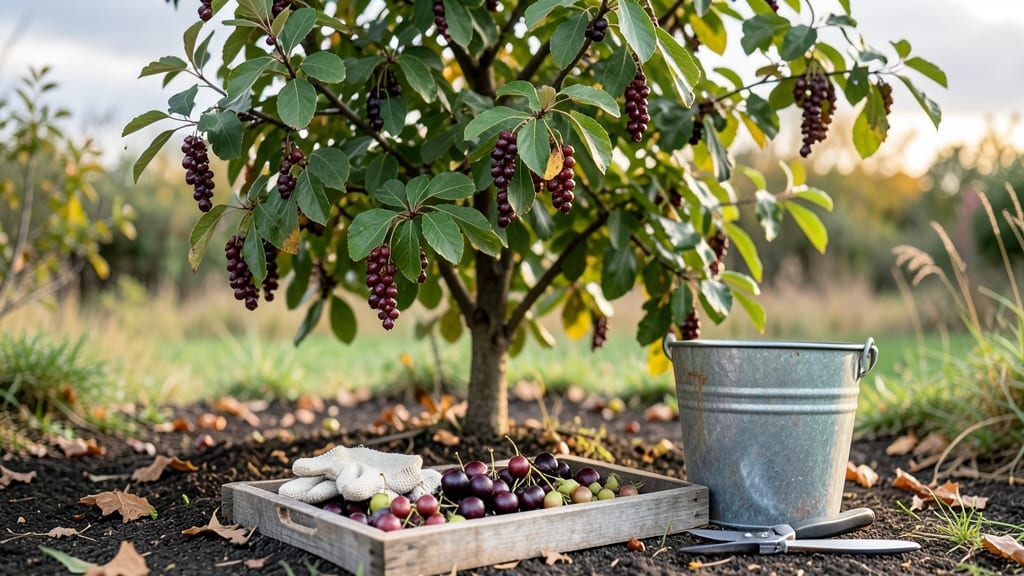
Harvesting chokecherries at the right time turns bitter berries into sweet, versatile treats 🍒—and missing the window means wasting your hard work.
Picture this: you’ve spent months nurturing your chokecherry bushes, only to pick fruit that’s either too tart or already fermenting on the branch. The difference between success and disappointment comes down to knowing three key signs—color, seed softness, and stem readiness—that tell you when to act.
Beyond the basics, your local climate plays a role. In Zone 6a, where frost can sneak in by October, timing your harvest just right ensures you beat the birds and the cold.
I’ll walk you through the exact cues to watch for, plus how to store or process your harvest for jams, drying, or even homemade wine.
By the end, you’ll never second-guess whether your chokecherries are ready—just grab a bucket and get harvesting!
How to tell when chokecherries are ripe by color, size, and seed softness
Chokecherries are ready to pick when they reach peak ripeness, but knowing exactly when that is can be tricky. Unlike sweet cherries, these berries turn deep purple-black and develop a slightly wrinkled skin—key visual cues that signal they're finally sweet and juicy.
If you harvest too early, you'll get bitter, astringent fruit, while waiting too long means they'll shrivel or fall prey to birds and pests.
I’ve learned the hard way that berry color alone isn’t enough—you also need to check size consistency and seed softness. A ripe chokecherry should measure about ½ inch in diameter and give just a little when gently squeezed.
The seeds inside should feel soft and pliable, not hard or crunchy. These tactile clues are just as important as the visual ones!
Timing your harvest right ensures the best flavor and texture for jams, drying, or fresh eating. In my experience, the ideal harvest window falls between late August and early September, but this can shift based on your USDA zone and local climate.
Warmer regions might see earlier ripening, while cooler areas could extend it into October.
Here’s a quick reference to help you spot the perfect moment:
| Ripeness Stage | Berry Color | Size | Seed Softness | Harvest Tip |
|---|---|---|---|---|
| Unripe | Green to red | Small (< ¼ inch) | Hard, crunchy | Wait 2-4 weeks |
| Partially Ripe | Purple-red | Medium (¼ - ½ inch) | Slightly firm | Check weekly |
| Fully Ripe | Deep purple-black | Large (½ inch) | Soft, pliable | Harvest immediately! |
| Overripe | Black, wrinkled | Shriveled | Mushy | Use for jams only |
The deep purple-black color is your first clue, but don’t rely on it alone. I’ve seen berries that looked ripe but tasted sour and mealy because they weren’t fully developed inside.
That’s why I always squeeze a few berries to test their firmness. A ripe chokecherry should feel yielding but not mushy—like a slightly overripe plum.
Another pro tip: Look at the stems. When chokecherries are ready, the stems near the fruit turn brown and brittle. If you gently twist a berry and it detaches easily, that’s a green light to start harvesting.
This is especially useful if you’re dealing with a large tree, as you can spot-ripe clusters without climbing.
If you’re unsure, harvest a small batch first and taste-test. Some varieties, like ‘Montmorency’, ripen earlier than others, so keep notes on your specific tree. I like to pick in the morning when berries are coolest—this preserves their flavor and texture longer.
Plus, birds are less active early in the day, so you’ll lose fewer cherries to feathered thieves!
Once you’ve confirmed ripeness, harvest within 2-3 days to avoid overripening. Store them in a single layer in the fridge, and use within a week for the best quality.
For long-term storage, freeze or dry them immediately. I’ve found that drying chokecherries concentrates their natural sweetness, making them perfect for teas or trail mixes.
Proper timing isn’t just about flavor—it’s also about yield. Overripe berries split and attract pests, while underripe ones fall off the tree. By mastering these color, size, and seed softness cues, you’ll maximize your harvest and enjoy sweet, juicy chokecherries every season. Happy picking!
Best soil and weather conditions for harvesting chokecherries
Your chokecherry bushes thrive when soil and weather conditions align perfectly. The right balance of soil pH, temperature, and rainfall determines whether your berries ripen sweetly or stay bitter and underdeveloped.
I’ve learned that even a slight shift in these factors can mean the difference between a stellar harvest and wasted effort.
First, let’s talk soil pH. Chokecherries prefer a slightly acidic to neutral range, ideally between 5.5 and 7.0. If your soil tests higher or lower, your plants may struggle to absorb essential nutrients, delaying ripening.
I always test my soil in early spring—before planting or fertilizing—to ensure optimal growing conditions.
Next, temperature plays a critical role. Chokecherries need consistent warmth to ripen properly. In USDA Zone 6a, where I garden, the ideal harvest window falls between late August and early September, when daytime temperatures hover around 70-80°F.
Cooler nights help sweeten the fruit, but sudden drops below 50°F can stall ripening.
Rainfall also impacts harvest timing. Too much rain in late summer can cause berries to split or ferment on the branch, while drought stress makes them small and tart. Aim for 1-1.5 inches of rain per week during the ripening phase.
If your region is dry, supplement with deep watering—especially in July and August—to keep the soil consistently moist but not waterlogged.
⚠️ Warning: Avoid Harvesting in These Conditions
Overripe berries (fermented, mushy, or falling off easily) signal it’s too late. If your soil is waterlogged or temperatures drop below 50°F, wait a week before picking. Birds and pests also thrive in overripe clusters—harvest promptly to save your crop!
Action Tip: Use a soil moisture meter to track hydration levels. If readings show dry soil, water deeply 2-3 days before harvesting to plump up the berries.
To predict your ideal harvest week, monitor local weather forecasts for stable temperatures and minimal rain. In my experience, the week after a heatwave breaks (with temps dropping slightly) is often the sweet spot.
For example, if your region hits 85°F+ for 3+ days, wait 5-7 days before harvesting—this cooldown helps balance sugar levels.
Finally, consider your post-harvest plans. If you’re drying or making wine, aim for slightly firmer berries (though still deep purple). For jams or fresh eating, prioritize soft, wrinkled skins and a rich color.
Store harvested berries in the fridge for up to 2 weeks or freeze them immediately to preserve flavor and texture.
By tuning into these soil and weather cues, you’ll transform your chokecherry harvest from a gamble into a predictable, flavorful success. Happy picking! 🍒