
Picking
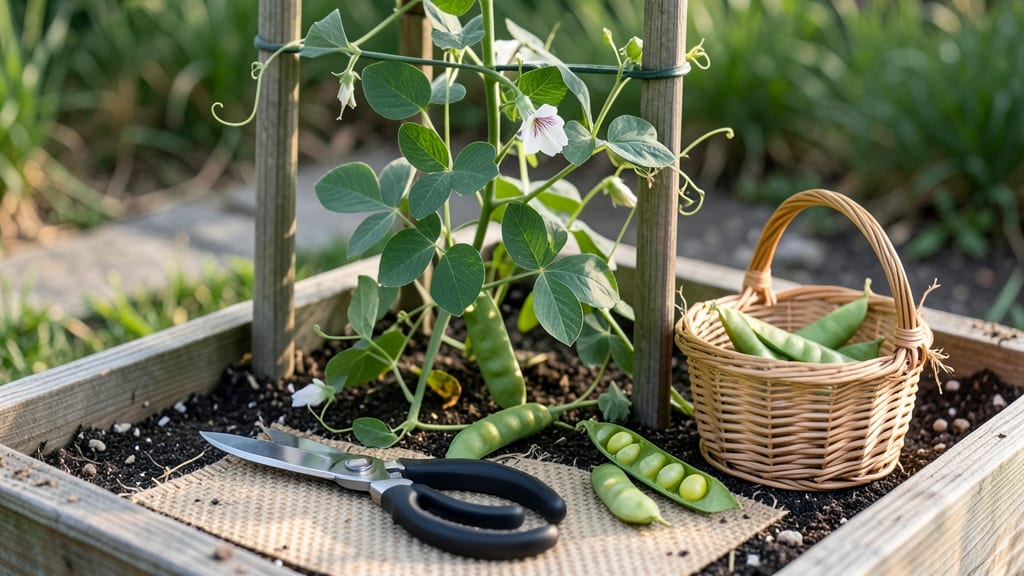
Harvesting garden peas when pods measure 2 to 2.5 inches ensures their sweetest, crispest flavor—miss that window, and you’re left with tough, mealy pods that taste nothing like the fresh snap peas you crave.
Picture this: you’ve spent weeks tending to your 🌱 Garden Pea plants, watching them climb their trellises, only to pull a pod that’s either still shriveled or already turning woody.
That’s the difference between a perfect harvest and a disappointing one. The right timing isn’t just about size—it’s about color, texture, and even the time of day you pick them.
Peas ripen fastest in cool weather, so checking your plants every 2–3 days in spring or fall is key. Overripe pods drain the plant’s energy, while underripe ones lack sweetness.
Below, I’ll walk you through the exact visual cues to look for, how to adjust for your variety, and what to do if you’ve already missed the sweet spot.
By the end, you’ll know not just when to harvest, but how to keep your plants producing fresh pods all season—no more guesswork, just crisp, flavorful peas straight from your garden.
How to determine the perfect garden pea harvest size by variety
Garden peas may all look similar at first glance, but their harvest windows vary dramatically by type. Shelling peas, snap peas, and snow peas each reach peak flavor at different sizes and maturity stages.
For example, Lincoln shelling peas should be harvested when pods measure just 1.5–2 inches, while Sugar Snap peas shine at 2.5–3 inches. These differences aren’t just about inches—they’re about texture, sweetness, and even the internal seed development that transforms a tender pod into a tough one.
Temperature and daylight hours also play a role. Cool spring weather slows ripening, giving you more time to monitor pods, while hot summer days can accelerate maturity.
If you’re growing multiple varieties, like Wando shelling peas alongside Oregon Sugar Pod snow peas, you’ll need to check each plant family separately. The key is balancing pod size with visual maturity cues—like color shifts or seed visibility—to avoid missing the sweet spot.
| Variety | Type | Ideal Pod Size | Color Cues | Seed Visibility | Days to Maturity |
|---|---|---|---|---|---|
| Lincoln | Shelling Pea | 1.5–2 inches | Bright green, slight yellow seam | Seeds barely visible | 55–65 days |
| Wando | Shelling Pea | 2–2.5 inches | Uniform green, glossy | Seeds visible but small | 60–70 days |
| Sugar Snap | Snap Pea | 2.5–3 inches | Bright green, firm | Seeds visible, plump | 60–75 days |
| Oregon Sugar Pod | Snow Pea | 2–2.5 inches | Light green, delicate | Seeds tiny, translucent | 55–65 days |
| Mammoth Melting | Shelling Pea | 2–2.5 inches | Deep green, waxy | Seeds visible, round | 65–75 days |
For shelling peas, like the classic Lincoln variety, aim for pods that are plump but not bulging. Overripe shelling peas develop tough strings and shriveled seeds, while underripe ones lack sweetness.
A quick texture test works wonders: Gently squeeze the pod—it should yield slightly, like a ripe peach, not feel rock-hard or mushy.
Snap peas, such as Sugar Snap, demand a firmer grip on timing. Harvest when pods reach 2.5–3 inches and the seeds inside are plump but not oversized. If you wait too long, the pods become woody and fibrous, ruining their signature crunch.
Pro tip: Snap peas are best eaten within 24 hours of harvest to preserve their crispness.
Snow peas, like Oregon Sugar Pod, are the most delicate of the trio. Their pods should be flat and tender, with seeds that are tiny and barely visible. Unlike snap peas, snow peas are eaten whole—including the thin, edible pod walls. Harvest too late, and the pods thicken, losing their signature delicate sweetness.
Temperature swings can throw off your harvest timing. If your garden experiences unseasonably hot days, peas may mature faster, while cool spring nights can slow ripening.
Keep an eye on the flowering stage: Once flowers wilt and pods begin forming, count 7–10 days to maturity, depending on the variety. For continuous harvests, pinch off early blooms on young plants to delay maturity and extend the season.
One common mistake is assuming all peas follow the 2-inch rule. While that’s a good starting point for shelling peas, snap and snow peas need longer pods to reach their sweetest state. Always cross-reference pod size with color and seed development.
For instance, a dark green pod with visible seeds is ideal for snap peas, while a light green, translucent pod signals snow peas are ready.
If you’re growing multiple varieties in the same garden, label your plants and harvest them in separate batches. This prevents cross-contamination of maturity stages and ensures each type gets the attention it deserves. For example, Wando shelling peas and Sugar Snap peas
5 Visual and tactile cues to harvest peas at peak flavor
Harvesting garden peas at the perfect moment transforms them from bland to burstingly sweet. But relying solely on a ruler can miss the subtle cues that signal true peak flavor. The secret lies in combining visual checks with tactile tests—like feeling the pod's firmness or spotting the right color shifts.
These cues work across all pea varieties, from sugar snaps to shelling peas, ensuring you never pick pods that are either underdeveloped or past their prime.
I’ve learned the hard way that skipping these checks can mean the difference between a crisp, vibrant pod and one that’s tough and mealy.
One of the biggest mistakes I see gardeners make is harvesting based on pod size alone. While size matters, it’s only part of the story—especially when temperatures fluctuate. Cool weather, for example, can slow ripening, while heat speeds it up.
That’s why I now combine three key checks: color, seed visibility, and plant behavior. Together, they paint a clearer picture of when to harvest than any single cue. Let’s break down these five must-check indicators to guarantee you’re picking peas at their absolute best.
-
1Pod Color: Look for bright, uniform green pods with no yellowing. Shelling peas may show a slight yellow seam, while snap peas stay uniformly green. Avoid pods with dull or pale spots—these are overripe.
-
2Seed Visibility: For snap peas, seeds should be easily visible through translucent pods but not yet filling the pod. Shelling peas should have developed seeds but still room to grow. If seeds are crowded or shriveled, the pod is past its prime.
-
3Flower Signals: Watch for wilting flowers after pollination—this means peas are forming. The first pods to appear after flowers wilt are often the sweetest. If flowers keep blooming but no pods form, your plant may need more pollinators or better growing conditions.
-
4Texture Test: Gently squeeze the pod—it should feel firm but slightly yielding, like a ripe avocado. If it’s too hard, it’s underripe; if it’s mushy or hollow-sounding, it’s overripe. This tactile check is my go-to for snap peas, where size can be deceiving.
-
5Harvest Frequency: Peas ripen fastest in cool weather, so check plants every 2–3 days during peak season. Leaving pods on the vine too long diverts energy from new growth, reducing your total yield. I’ve found that harvesting in the morning (when sugars are highest) makes all the difference.
I used to think harvesting peas was as simple as waiting for them to reach a certain size, but these visual and tactile cues have transformed my harvests.
For example, I once picked a batch of sugar snap peas that looked perfect by size but tasted bland—until I realized the seeds were barely visible. A closer look revealed they were underripe. Now, I double-check seed visibility before harvesting, and the flavor difference is night and day.
These cues also help me avoid the pitfall of harvesting too late, when pods turn woody and bitter.
Another pro tip? Pay attention to your pea plants’ behavior. If the vines stop producing new flowers and existing pods start yellowing, it’s a sign the plant is shifting energy toward seed maturation. This is your cue to harvest what’s left and possibly pull the plant if yields dwindle.
Over the years, I’ve learned that consistent harvesting encourages plants to keep producing, extending the season by weeks. It’s all about staying ahead of the plant’s natural cycle.
Don’t let the fear of missing the perfect harvest hold you back. Even if you pick a few pods that aren’t flawless, they’re still edible—just use them in soups or stews where texture matters less.
The key is to trust your senses: when in doubt, squeeze, squint, and sniff. Your garden peas will thank you with flavor that’s truly peak-season perfect. 🌱