
Picking
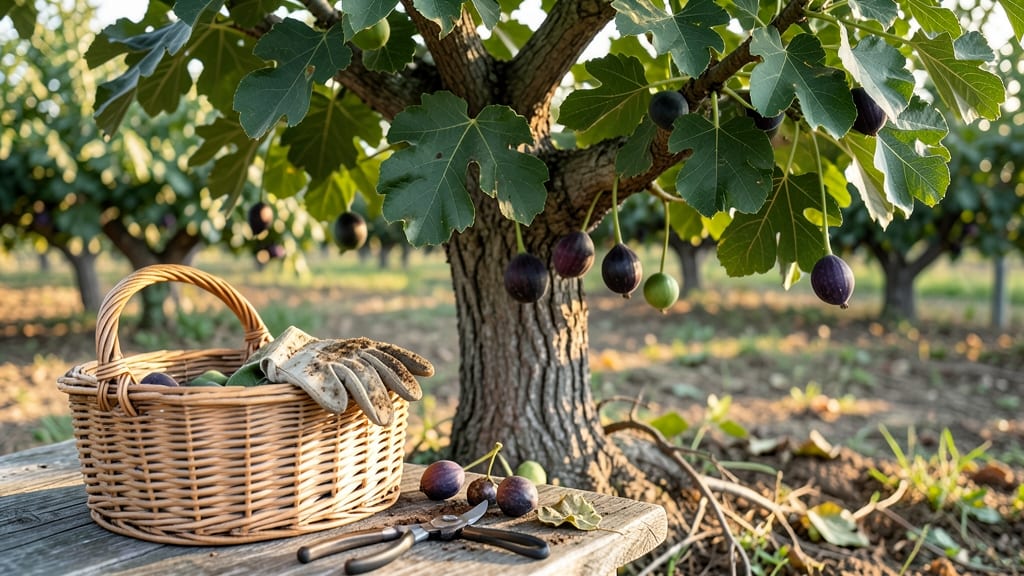
The time to harvest figs is when the pods begin splitting open—August through October in most regions—marking the peak of sweetness and flavor 🍈.
There’s nothing quite like biting into a perfectly ripe fig—juicy, sweet, and bursting with flavor—but knowing exactly when to harvest can make all the difference between a delightful treat and a disappointing bite.
The moment those pods begin to split open is your golden cue, but timing, variety, and climate all play a role in maximizing your harvest’s sweetness and yield.
If you’re growing figs in USDA Zone 6a, like many home gardeners, you’ll want to watch for color changes and texture shifts. Early varieties might ripen as early as late summer, while late-season types could hold on until frost.
Missing the window means softer, mealier fruit—or worse, fruit that drops to the ground before you can enjoy it.
In this guide, I’ll walk you through how to spot the perfect fig, adjust for your local climate, and even store your harvest so it stays fresh longer. By the end, you’ll know exactly when to pick for the sweetest, most flavorful figs your tree has to offer.

How to identify the perfect fig harvest time by variety and climate
Figs are one of nature’s sweetest rewards, but their harvest timing can feel like solving a puzzle. The right moment transforms a tart fig into a bursting sweet treat—but miss it, and you’ll end up with overripe, seedy disappointments.
Unlike many fruits, figs don’t ripen off the tree, so visual cues and climate awareness are your best tools. Let’s break down how to spot the perfect harvest window for your favorite varieties.
Every fig variety has its own color cues and seasonal patterns. For example, Brown Turkey figs turn deep brown and split open, while Celestial varieties develop a vibrant purple blush. Meanwhile, Chicago Hardy figs—perfect for colder climates—mature later in the season.
Understanding these variety-specific signs ensures you never miss peak ripeness. But climate also plays a critical role: hot summers can speed up ripening, while cooler temperatures may delay it.
Here’s the key: harvest when figs are fully colored, slightly soft to the touch, and the base detaches easily with a gentle twist. But don’t wait too long—once they start dropping or attracting pests, your window closes fast.
Let’s dive into the visual and climate-based clues for your fig tree’s variety.
| Variety | Color Cue | Harvest Time | Climate Notes |
|---|---|---|---|
| Brown Turkey | Deep brown, skin splits open | Late summer to early fall | Thrives in warm climates; ripens faster in heat |
| Celestial | Purple blush, skin softens | Mid to late summer | Early ripener; ideal for short seasons |
| Chicago Hardy | Greenish-brown, firm but yielding | Late summer to fall | Cold-hardy; ripens later in cooler zones |
| Desert King | Yellow-green, skin cracks | Early to mid-summer | Heat-loving; ripens quickly in dry climates |
| Osborn Prolific | Green to brown, base detaches easily | Mid-summer to early fall | Produce multiple crops; monitor closely |
Temperature is the silent harvest accelerator for figs. In hot climates, figs ripen faster, sometimes splitting open within weeks. If you’re in Zone 8 or higher, you might harvest as early as July, while cooler zones (6-7) may not see ripe figs until September or October.
For example, my Chicago Hardy figs in Zone 5 rarely ripen before late August, no matter how much I water them.
Don’t rely solely on the calendar—touch is your best tool. A ripe fig should yield slightly to gentle pressure, like pressing a ripe peach. If it feels hard or rubbery, it’s not ready.
Overripe figs become mushy and attract wasps and birds, so act fast once you spot those telltale color changes and skin splits. Pro tip: Harvest in the morning when figs are coolest and firmest, reducing bruising.
One common mistake is waiting for figs to detach on their own. While some varieties (like Osborn Prolific) produce multiple crops, others drop prematurely if left too long. Always twist gently at the stem—if it comes off easily, it’s ready.
If it resists, wait another day or two. And if your figs are small and green, they’re not ripe yet; patience is key here!
Climate also dictates harvest frequency. In arid regions, figs may ripen in batches over weeks, while humid climates can cause slower, more staggered ripening. If you’re in a rainy season, figs might stay firmer longer due to higher moisture levels.
Always check for pest activity—if you see birds pecking at your tree, it’s time to harvest before they clean you out!
For late-season varieties like Celestial, a light frost can trigger ripening. If temperatures drop below 32°F, harvest any remaining figs immediately, as frost can turn them mealy.
Store them in a cool, dry place for up to a week, or process them into jam or dried figs to enjoy their sweetness year-round. Remember, figs are non-climacteric, meaning they won’t ripen further after picking—so timing is everything.
Now that you’re armed with variety-specific cues and climate insights, your fig harvests will be sweeter and more abundant. Keep an eye on those color changes, skin splits, and touch tests, and you’ll never miss the perfect moment again.
Happy harvesting—your taste buds will thank you! 🌱
Step-by-step guide to harvesting figs for maximum sweetness and longevity
Timing your fig harvest correctly ensures peak sweetness and texture—figs picked at the wrong moment can be mealy or overly soft. The best time to harvest is early morning when temperatures are cooler, which helps preserve moisture and flavor.
This is also when figs are firmest, reducing the risk of bruising during handling.
Harvesting at the right time isn’t just about flavor—it’s also about avoiding waste. Figs left too long on the tree may drop prematurely, especially in humid climates or when birds and wasps start targeting them.
By following a few simple steps, you can maximize your yield and enjoy figs at their absolute best.
🌱 Step-by-Step Fig Harvesting Guide
- Step 1: Pick in the morning (before 9 AM) when fruit is cool and firm. Avoid harvesting after midday heat, as figs soften quickly and bruise easily.
- Step 2: Look for split-open pods and fully colored skin. Green or partially green figs aren’t ready—wait until the skin turns to the variety’s mature hue (e.g., purple for Celestial, brown for Brown Turkey).
- Step 3: Gently twist or pinch the fig at its base. If it detaches easily with a slight pull, it’s ripe. If it resists, leave it for another 1-2 days.
- Step 4: Handle figs with care—never drop or stack them to avoid bruising. Place them in a shallow container lined with paper towels to catch moisture.
- Step 5: Store ripe figs at room temperature (55–65°F) for 2–3 days to enjoy peak flavor. For longer storage (up to 2 weeks), refrigerate in a paper bag to slow ripening.
Once you’ve harvested your figs, proper storage is key to maintaining their freshness. Figs ripen quickly after picking, so storing them at room temperature is ideal for short-term enjoyment.
If you’re not planning to eat them immediately, refrigeration can extend their shelf life—but be aware that cold temperatures can dull their flavor slightly.
To further preserve your harvest, consider freezing figs for later use. Simply wash, dry, and place whole figs on a baking sheet before freezing. Once frozen solid, transfer them to an airtight container or freezer bag. This method locks in sweetness and texture for up to 6 months.
Remember, the goal is to balance ripeness and freshness. Figs harvested at the perfect moment will reward you with bursting sweetness and a texture that’s firm yet tender—far superior to those left too long on the tree or picked too early.