
Vegetables
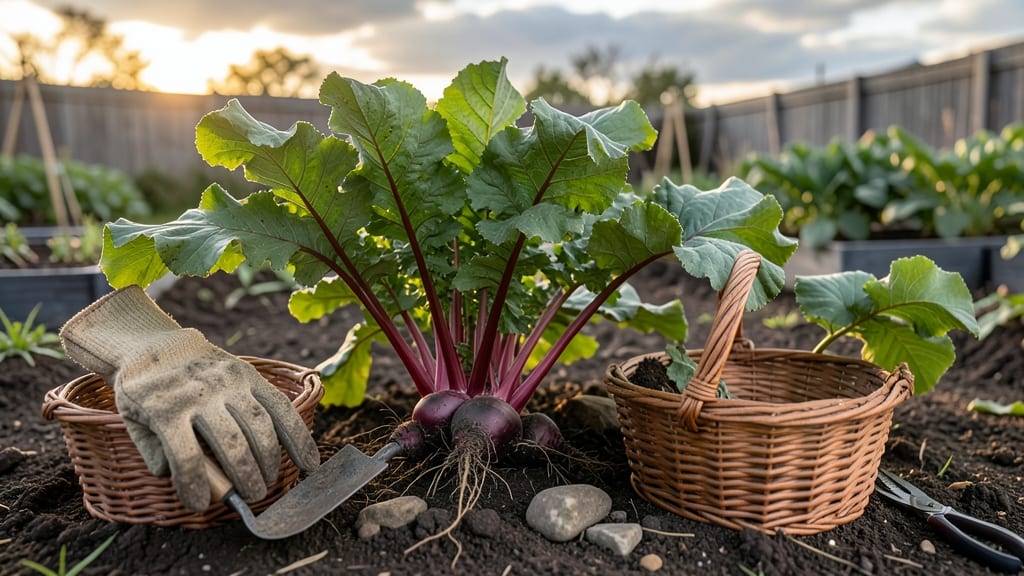
Harvesting beetroot at the right time turns earthy roots into sweet, flavorful gems—here’s how to nail the perfect harvest window for your 🍠 crop.
If you’ve ever pulled a beetroot only to find it woody or bitter, you’re not alone. The difference between a disappointing harvest and a garden-fresh feast often comes down to timing—whether you’re aiming for baby greens or mature roots.
Miss the window, and you’ll end up with tough, underdeveloped produce instead of the tender, vibrant harvest you crave.
In Zone 6a, the ideal beetroot harvest time stretches from late spring through early fall, but the exact moment depends on whether you planted in March or July. For spring plantings, June through August is prime, while late summer seeds yield harvests in October and November.
The key? Watch for roots 1-3 inches wide, deep color, and foliage reaching 4-6 inches tall—these are your cues for peak sweetness.
Below, I’ll walk you through the visual and environmental signs to harvest at the perfect moment, how to handle the roots without bruising them, and storage tips to keep that garden-fresh flavor for weeks. Ready to turn your beetroot patch into a flavor powerhouse?

Optimal beetroot harvest time: months, days, and size clues
Timing your beetroot harvest perfectly transforms ordinary roots into sweet, tender delights. The ideal harvest window depends on your climate zone and whether you planted in spring or fall. In temperate regions, spring-planted beets are ready by June-August, while late-summer plantings mature in October-November before frost sets in.
Most varieties reach harvest readiness in 60-70 days for baby beets (1-2 inches wide) or 90+ days for larger, mature roots (3+ inches). The key is balancing size, color, and firmness—harvest too early, and you’ll miss peak sweetness; wait too long, and they’ll turn woody or bitter.
| Harvest Stage | Days to Maturity | Root Size | Leaf Size | Best Months (US) |
|---|---|---|---|---|
| Baby Beets | 50-60 | 1-2 inches | 3-4 inches tall | May-July (spring) / Sept-Oct (fall) |
| Mature Beets | 70-90 | 3-4 inches | 6-8 inches tall | June-August (spring) / Oct-Nov (fall) |
| Overripe Beets | 90+ | 4+ inches (woody) | Yellowing leaves | Late Sept-Nov (risky) |
Spring-planted beets thrive in cool weather (50-75°F), while fall plantings benefit from mild temperatures (60-70°F) before the first frost. In USDA Zone 6a, aim to harvest before October 15 to avoid frost damage.
If you’re in a warmer zone, extend harvests into November, but monitor for cracked roots from fluctuating temperatures.
For baby beets, check for roots 1-2 inches wide and deep red/gold hues (depending on variety). The foliage should be 4-6 inches tall with healthy, glossy leaves. Gently tug on a leaf—if the root resists, it’s ready.
For mature beets, wait until roots reach 3-4 inches and the soil around them loosens easily when probed with your finger.
Never harvest when the soil is waterlogged or frozen, as this causes bruising or rot. Instead, wait for a dry, sunny day when the ground is workable.
If your beets are bolting (sending up flower stalks), they’ve passed their prime—harvest immediately to salvage what you can, as they’ll turn bitter and tough.
Pro tip: Thin seedlings early to give mature beets space (3-4 inches apart). Crowded roots compete for nutrients, leading to small, misshapen beets. Space them properly to ensure even growth and optimal harvest size. In containers, harvest baby beets more frequently to encourage continuous production.
Color is your best friend when judging readiness. Deep red, purple, or gold roots are prime, while pale or striped beets may lack flavor. The shoulder of the root (where it widens) should feel firm—not soft or spongy. If pressed, it should leave a slight imprint but bounce back quickly.
In hot climates, beets may mature faster (as few as 50 days), while cool, short seasons can stretch harvest times to 100+ days. Adjust your planting schedule accordingly—early spring or late summer plantings often yield the sweetest roots.
Always save a few seeds for next season by letting a few beets bolt and go to seed!
🍠
How to harvest beetroot without damaging future growth
Once you’ve spotted those deep-colored roots peeking through the soil, the next challenge is harvesting them without bruising or disturbing neighboring plants. A gentle touch ensures both current harvest quality and future growth potential—especially if you’re leaving some beets in the ground for later.
Using the wrong tool or technique can turn your tender roots into mushy messes. I’ve learned that forks are your best friend for loosening soil around roots, while hands work best for delicate handling.
The goal? Extract the beetroot intact and unscathed so it stays fresh longer and doesn’t compromise nearby plants.
If you’re harvesting baby greens instead of mature roots, use sharp scissors to snip leaves 1-2 inches above the soil. This encourages the plant to produce more greens while still allowing the root to grow—perfect for continuous harvests throughout the season.
Pro tip: Avoid harvesting when the soil is waterlogged or frozen, as this can cause bruising or cracking. Early morning is ideal—roots are cooler and firmer after overnight moisture balance.
With these steps, you’ll enjoy sweet, unblemished beetroots while keeping your garden thriving for future harvests. Happy digging! 🪴